
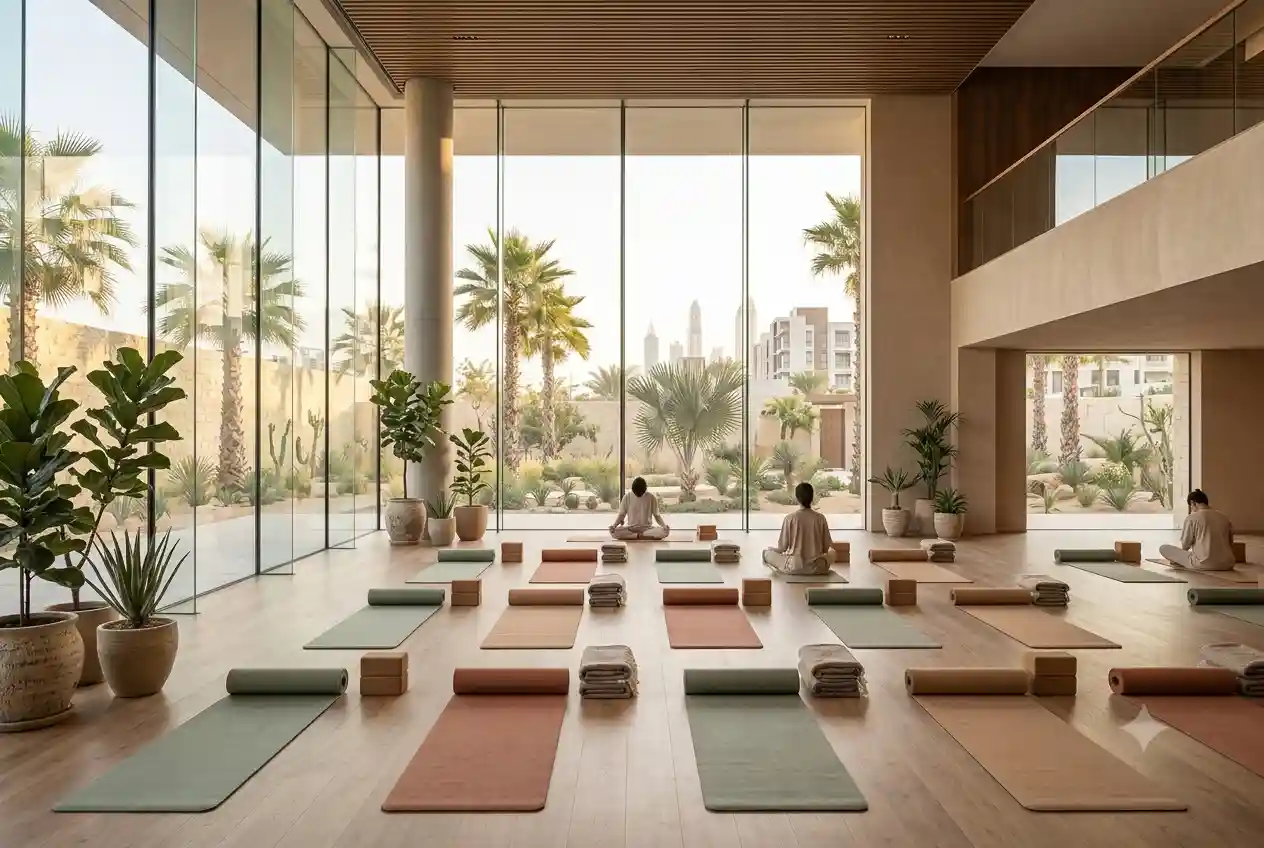

Yoga has evolved from a traditional practice into a valuable part of modern wellness routines around the world. Today, lifestyle yoga is about more than learning poses—it encourages individuals to develop sustainable habits that support flexibility, mobility, mindfulness, and overall wellbeing. Whether practiced at home, in a studio, or outdoors, yoga can become an accessible activity that complements a balanced lifestyle.
Across the UAE, yoga continues to grow in popularity among professionals, students, families, and older adults seeking ways to improve physical fitness while managing everyday stress. With classes available for all experience levels, yoga has become an important component of many people’s health and wellness routines.
This guide explains what lifestyle yoga involves, explores its potential benefits, and shares practical advice for incorporating yoga into everyday life.
For a more complete wellness routine, you may also find our guides on lifestyle nutrition and lifestyle fitness gym helpful, as they complement yoga through balanced eating and regular physical activity.
What Is Lifestyle Yoga?
Lifestyle yoga refers to integrating yoga into everyday living rather than treating it as an occasional activity. Instead of focusing only on physical movements, it encourages consistency, mindful breathing, relaxation, and healthy daily habits that contribute to long-term wellbeing.
Depending on individual preferences, yoga sessions may include:
- Gentle stretching
- Mobility exercises
- Breathing techniques
- Balance training
- Relaxation practices
- Mindfulness exercises
The emphasis is on creating a routine that supports both physical and mental wellness over time.
Potential Benefits of Yoga
When practiced regularly and appropriately, yoga may contribute to overall health and wellbeing as part of an active lifestyle.
Potential benefits include:
- Improved flexibility
- Better balance and coordination
- Enhanced mobility
- Greater body awareness
- Support for stress management
- Improved posture
- Encouragement of mindful movement
Individual experiences vary, and results depend on consistency, technique, and overall lifestyle habits.
Getting Started with Yoga
One of yoga’s greatest advantages is its accessibility. Beginners do not need advanced flexibility or previous athletic experience to begin practicing.
Helpful tips for newcomers include:
- Start with beginner-friendly classes.
- Wear comfortable clothing.
- Practice on a stable yoga mat.
- Move at your own pace.
- Focus on proper technique rather than perfection.
Listening to your body and avoiding movements that cause pain helps create a safer and more enjoyable experience.
Breathing and Mindfulness
Controlled breathing is a fundamental element of many yoga practices. Coordinating movement with breathing encourages greater awareness and helps practitioners remain focused throughout each session.
Mindfulness developed during yoga may also encourage healthier responses to everyday stress and improve overall relaxation.
Flexibility and Mobility
Many people begin yoga hoping to improve flexibility, but mobility is equally important. Gentle stretching and controlled movement help maintain comfortable joint motion while supporting functional everyday activities.
Rather than forcing deep stretches, gradual progress over time is generally recommended.
Yoga as Part of an Active Lifestyle
Yoga complements many other forms of physical activity. Runners, cyclists, swimmers, strength athletes, and recreational exercisers often include yoga sessions to support flexibility, recovery, and mobility.
Likewise, individuals following structured workout programmes may benefit from combining yoga with regular exercise. Our guide to lifestyle fitness gym explores how strength and cardiovascular training can work alongside yoga for a balanced approach to fitness.
Nutrition Supports Wellness
Healthy eating contributes to overall wellbeing and complements physical activity. A balanced diet provides energy for exercise while supporting recovery afterwards.
Readers interested in developing sustainable eating habits can explore our article on lifestyle nutrition, which explains practical approaches to balanced nutrition.
Creating a Home Yoga Practice
Although many people enjoy attending classes, practicing at home can also be effective. A quiet space, a comfortable mat, and a consistent schedule are often enough to establish a regular routine.
Even short sessions performed consistently may contribute to flexibility, relaxation, and improved movement over time.
Yoga in the UAE
Yoga has become increasingly accessible throughout the UAE, with dedicated studios, community wellness centres, outdoor classes, and fitness clubs offering sessions for various experience levels.
Many residents also participate in yoga events held in parks, beaches, and community spaces, particularly during cooler months when outdoor activities become more comfortable.
Choosing the Right Yoga Style
Different yoga styles emphasise different aspects of movement and wellbeing. Some classes focus on gentle stretching and relaxation, while others incorporate more physically demanding sequences.
Trying several beginner-friendly classes allows individuals to discover which teaching style and pace best suit their personal goals and preferences.
Making Yoga Part of Everyday Life
The greatest benefits often come from consistency rather than intensity. Setting aside even a small amount of time each week for mindful movement can help establish a routine that becomes easier to maintain over time.
Combining yoga with healthy nutrition, regular exercise, quality sleep, and balanced daily habits creates a more comprehensive approach to overall wellness.
Building Long-Term Healthy Habits
Developing lasting wellness habits requires patience and realistic expectations. Rather than focusing solely on advanced poses or rapid progress, many practitioners find greater satisfaction by celebrating gradual improvements in flexibility, movement, relaxation, and overall quality of life.
When viewed as part of a broader healthy lifestyle, yoga becomes a sustainable practice that supports wellbeing throughout different stages of life.
Frequently Asked Questions About Lifestyle Yoga
Can beginners practice lifestyle yoga?
Yes. Lifestyle yoga is suitable for beginners as well as experienced practitioners. Many classes are specifically designed for those with little or no previous experience, allowing participants to learn gradually and build confidence over time.
How often should I practice yoga?
The ideal frequency depends on your schedule, goals, and fitness level. Even a few sessions each week can become part of a sustainable wellness routine when combined with regular physical activity and healthy daily habits.
Do I need special equipment?
Most people only need a comfortable yoga mat and clothing that allows free movement. Depending on the class, instructors may also use supportive items such as blocks or straps to help improve comfort and accessibility.
Can yoga complement other forms of exercise?
Absolutely. Yoga pairs well with strength training, cardiovascular exercise, walking, cycling, and other physical activities by supporting flexibility, mobility, balance, and recovery.
Is yoga only about flexibility?
No. While flexibility is one aspect of yoga, the practice also emphasizes balance, posture, breathing techniques, body awareness, relaxation, and mindful movement that contribute to overall wellbeing.
Final Thoughts
Lifestyle yoga offers a practical and sustainable way to support physical and mental wellbeing. By incorporating mindful movement, breathing exercises, and regular practice into your daily routine, you can develop habits that contribute to greater flexibility, improved mobility, and a healthier lifestyle over the long term.
Whether practiced at home, in a studio, or as part of a broader fitness programme, yoga complements balanced nutrition, regular exercise, and adequate recovery. For residents across the UAE, it provides an accessible activity that fits a wide variety of schedules, fitness levels, and personal goals.
For evidence-based guidance on physical activity and maintaining a healthy lifestyle, you can explore the resources available from the World Health Organization (WHO), which includes recommendations for regular movement and overall wellbeing.