
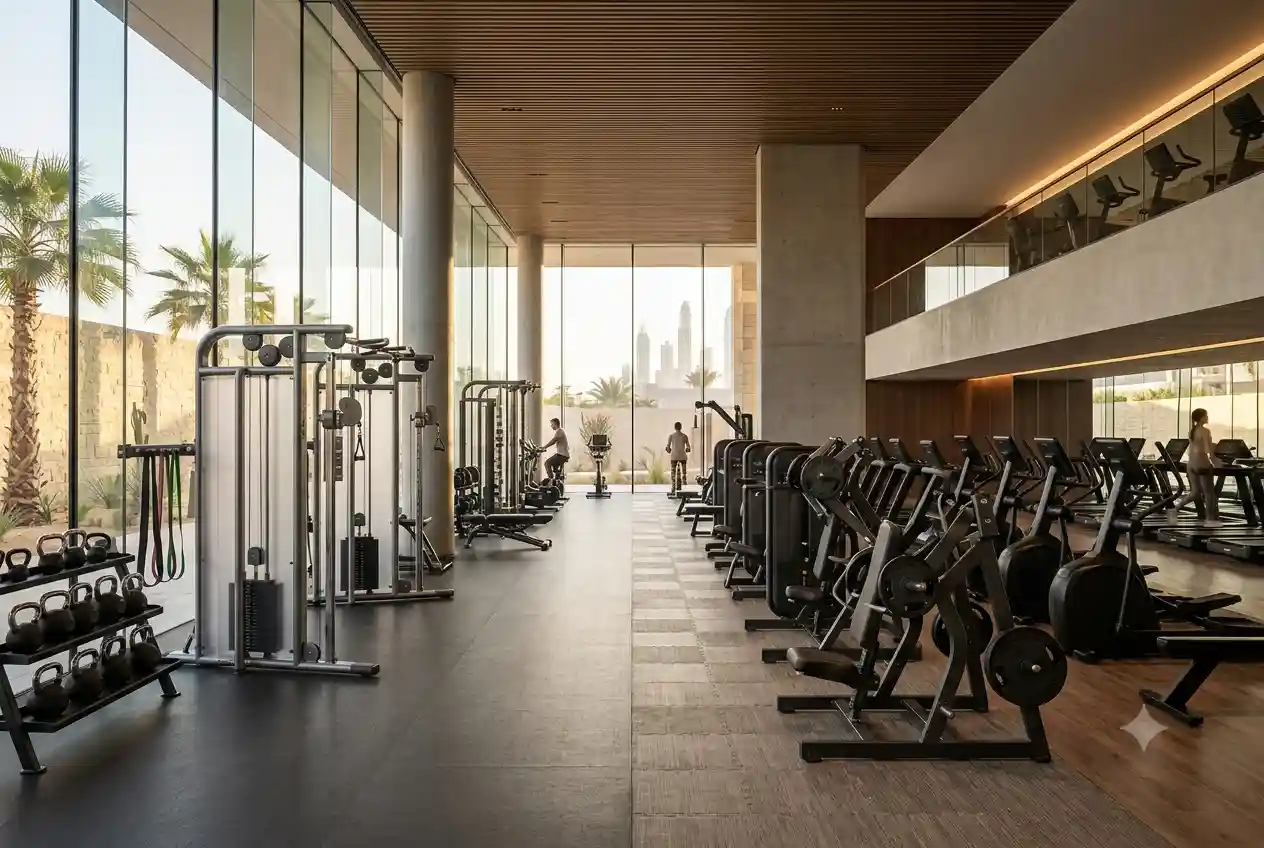

Regular exercise has become an essential part of maintaining overall wellbeing, and joining a lifestyle fitness gym is one of the most effective ways to develop consistent healthy habits. Whether your goal is improving general fitness, increasing strength, supporting cardiovascular health, or simply staying active, the right gym environment can help you remain motivated while building sustainable routines.
Across the UAE, fitness facilities continue expanding to meet the needs of professionals, families, students, and older adults. Modern gyms now offer much more than exercise equipment, providing group classes, personal training, wellness programmes, recovery areas, and digital fitness tracking that support a balanced approach to health.
This guide explains how lifestyle fitness gyms contribute to long-term wellbeing, what to consider when choosing a facility, and practical strategies for maintaining an active lifestyle.
Exercise works best when combined with healthy nutrition and recovery. To build a complete wellness routine, you can also explore our guides on lifestyle nutrition and lifestyle yoga, which complement structured fitness programmes.
What Is a Lifestyle Fitness Gym?
A lifestyle fitness gym is more than a place to exercise. It is a facility designed to support long-term health by providing resources that encourage regular physical activity, education, and healthy habits.
Many modern gyms include:
- Strength training equipment
- Cardiovascular machines
- Functional training areas
- Group exercise studios
- Personal training services
- Recovery and stretching zones
- Wellness programmes
The emphasis is on creating an environment where members can maintain consistent exercise habits regardless of their current fitness level.
Benefits of Regular Exercise
Consistent physical activity contributes to overall health in numerous ways. While individual results vary, maintaining an active lifestyle supports physical fitness and complements healthy daily habits.
Some potential benefits include:
- Improved cardiovascular fitness
- Greater muscular strength
- Enhanced flexibility and mobility
- Better energy levels
- Support for healthy weight management
- Reduced everyday stress
- Improved overall wellbeing
Combining exercise with balanced nutrition and adequate sleep helps maximise these benefits over time.
Choosing the Right Gym
Selecting a fitness centre involves more than comparing membership prices. Choosing a facility that suits your schedule, goals, and preferences increases the likelihood of maintaining a consistent routine.
Consider factors such as:
- Location
- Operating hours
- Equipment availability
- Cleanliness
- Qualified staff
- Group fitness classes
- Parking or public transport access
Visiting several facilities before making a decision can help you identify the environment where you feel most comfortable.
Starting as a Beginner
Many people delay joining a gym because they feel inexperienced. In reality, fitness centres welcome individuals of all ability levels. Starting gradually often leads to better long-term consistency than attempting intense workouts immediately.
Beginners should focus on:
- Learning proper exercise technique
- Building consistency
- Setting realistic goals
- Allowing adequate recovery
- Increasing intensity gradually
Working with a qualified fitness professional during the early stages can also improve confidence and reduce the risk of improper exercise technique.
Strength Training
Strength training supports muscle development and functional movement through resistance-based exercises. Modern gyms provide a combination of free weights, resistance machines, and functional training equipment suitable for different experience levels.
A balanced programme typically trains all major muscle groups while allowing appropriate recovery between sessions.
Cardiovascular Exercise
Cardio training supports heart and lung health while improving endurance. Most gyms provide several options including treadmills, stationary bicycles, rowing machines, elliptical trainers, and stair climbers.
Choosing activities you genuinely enjoy often makes it easier to maintain regular exercise over the long term.
Recovery Matters
Progress is influenced not only by exercise but also by recovery. Rest days, quality sleep, hydration, and proper nutrition allow the body to adapt to physical training.
Stretching after workouts and incorporating mobility exercises may also contribute to improved flexibility and overall movement quality.
Nutrition Supports Fitness
Exercise alone cannot replace balanced eating habits. A nutritious diet provides the energy needed for workouts while supporting recovery afterwards.
Our article on lifestyle nutrition explains how balanced meals, hydration, and consistent eating habits complement long-term fitness goals.
Managing Stress Through Exercise
Many people find that regular physical activity becomes an important part of managing everyday stress. Exercise provides an opportunity to disconnect from busy schedules while supporting both physical and mental wellbeing.
Lower-impact activities such as stretching and yoga can further enhance recovery and relaxation. Our guide to lifestyle yoga explores how mindful movement complements gym-based training.
Building Long-Term Motivation
Maintaining fitness requires consistency rather than perfection. Setting achievable goals, tracking progress, celebrating milestones, and choosing enjoyable activities help many people remain committed over time.
Fitness should become part of your overall lifestyle rather than a temporary project with a fixed end date.
Fitness Culture in the UAE
The UAE continues investing in public health initiatives that encourage active living. Residents benefit from modern fitness facilities, outdoor exercise spaces, cycling tracks, community sporting events, and wellness programmes that make staying active more accessible.
Whether exercising indoors during warmer months or enjoying outdoor activities in cooler weather, residents have numerous opportunities to maintain healthy lifestyles throughout the year.
Creating Your Personal Fitness Routine
No single workout programme suits everyone. The most effective fitness routine is one that aligns with your schedule, abilities, and personal goals. Some individuals enjoy early morning workouts before work, while others prefer evening sessions or weekend training.
Choosing a realistic schedule, remaining flexible when life becomes busy, and viewing exercise as a long-term investment in your health often leads to greater consistency and lasting results.
Frequently Asked Questions About Lifestyle Fitness Gyms
How often should I go to the gym?
The ideal frequency depends on your fitness level, goals, and schedule. Many adults benefit from regular physical activity spread throughout the week, with adequate rest and recovery between more demanding sessions. Consistency is generally more important than exercising every day.
Do I need a personal trainer?
Not necessarily, but a qualified trainer can be helpful if you’re new to exercise, want to learn proper techniques, or have specific fitness goals. Professional guidance can also help you create a structured workout plan and build confidence when using gym equipment.
Can beginners join a lifestyle fitness gym?
Absolutely. Most gyms welcome members of all experience levels and offer beginner-friendly equipment, introductory sessions, and group classes. Starting gradually and focusing on correct form helps build a safe and sustainable routine.
What should I bring to the gym?
Comfortable workout clothing, supportive athletic shoes, a reusable water bottle, and a small towel are common essentials. Some facilities may also recommend bringing a lock for lockers or a yoga mat for selected classes.
How does nutrition support fitness?
Balanced nutrition provides the energy required for physical activity and supports recovery after exercise. Staying hydrated and following a consistent eating pattern complements regular workouts and contributes to overall wellbeing.
Final Thoughts
A lifestyle fitness gym is more than a place to exercise—it can become an important part of a healthier daily routine. By combining regular physical activity with balanced nutrition, proper recovery, and realistic goals, you can build habits that support long-term health rather than temporary results.
Whether you’re just beginning your fitness journey or looking to improve an existing routine, choosing a welcoming gym environment and maintaining consistent habits can make a meaningful difference over time. Across the UAE, the growing focus on wellness, community fitness, and active living provides excellent opportunities for people of all ages to prioritise their health.
For evidence-based guidance on physical activity and healthy movement, you can explore the resources provided by the World Health Organization (WHO), which offers internationally recognised recommendations for maintaining an active lifestyle.