
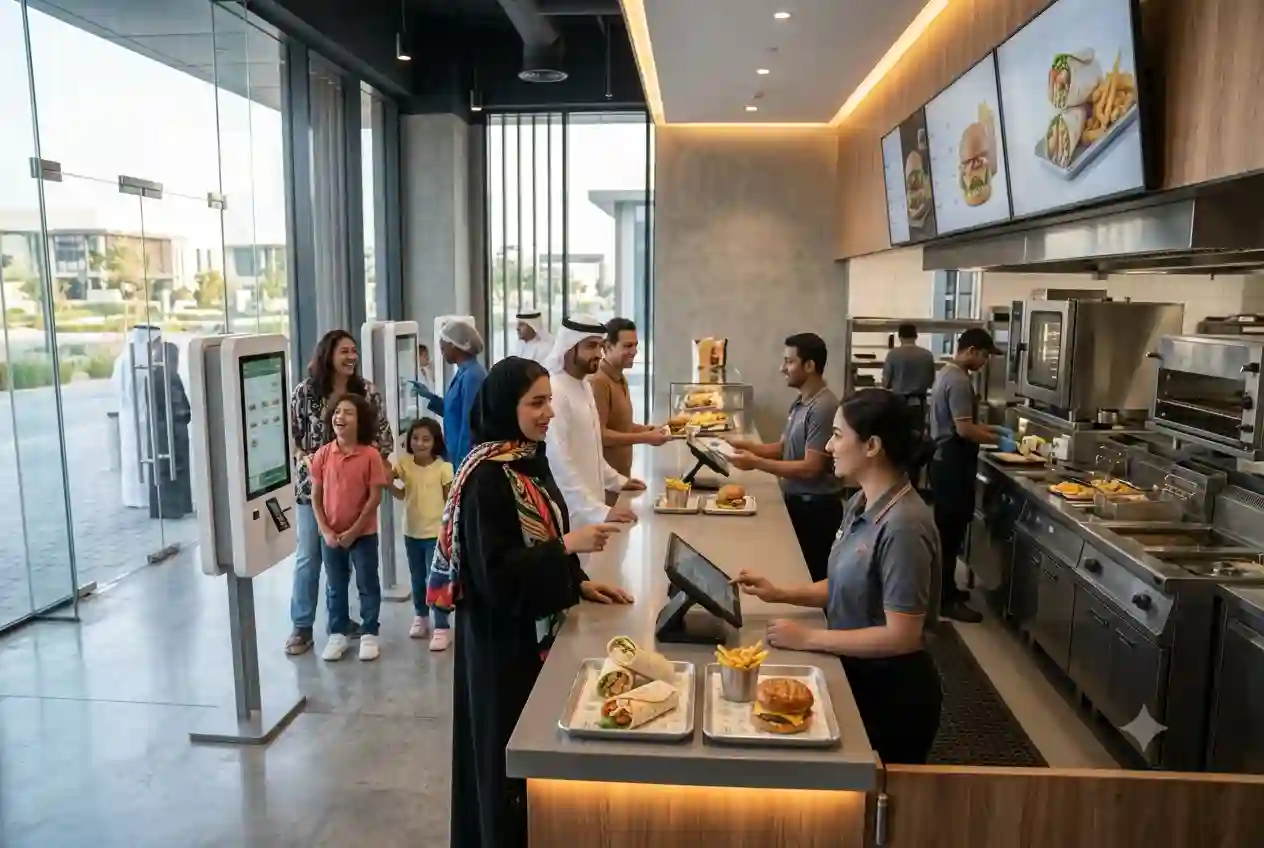

The fast food restaurant industry has become an integral part of the UAE’s vibrant dining landscape. From busy professionals seeking quick meals to families looking for convenient dining options, fast food establishments continue to serve a diverse customer base across the Emirates.
As consumer preferences evolve and technology reshapes the dining experience, restaurants are adapting their business models to meet changing expectations. Speed, convenience, quality, and digital accessibility now play a crucial role in determining customer satisfaction and long-term success.
The UAE’s multicultural population and thriving tourism industry have further accelerated growth in the restaurant sector, creating opportunities for both international chains and local food businesses.
The Evolution of Fast Food Restaurants in the UAE
Fast food has transformed significantly over the years. What was once associated primarily with quick service and standardized menus has evolved into a diverse industry offering a wide range of cuisines, healthier options, and customized dining experiences.
Consumers today expect more than speed. They look for quality ingredients, menu variety, transparency, and seamless ordering experiences. Restaurants that successfully balance convenience with customer expectations often gain a competitive advantage in the market.
The UAE’s urban lifestyle continues to support demand for quick-service dining, particularly in major commercial districts, shopping centers, residential communities, and transportation hubs.
Factors Driving Growth in the Fast Food Sector
Several factors contribute to the ongoing expansion of fast food restaurants throughout the UAE.
- Growing urban population
- Busy professional lifestyles
- Increasing tourism activity
- Expansion of food delivery platforms
- Technology-driven ordering systems
- Demand for convenient dining options
These trends have encouraged restaurant operators to invest in innovation, operational efficiency, and customer experience improvements.
The Impact of Food Delivery Services
Food delivery has become one of the most significant developments affecting the restaurant industry. Customers increasingly prefer ordering meals through mobile applications and online platforms, allowing restaurants to reach wider audiences beyond their physical locations.
Delivery services have transformed how consumers discover and interact with food brands. Restaurants now compete not only on menu quality but also on delivery speed, packaging standards, and digital user experience.
Businesses seeking to optimize their operations often examine every stage of their food path, from ingredient sourcing to customer delivery, ensuring consistency throughout the process.
Menu Innovation and Consumer Preferences
Consumer expectations have changed considerably in recent years. While traditional fast food remains popular, diners increasingly seek variety and healthier alternatives.
Restaurants are responding by introducing:
- Grilled and baked menu options
- Plant-based alternatives
- High-protein meals
- Customizable menu items
- International flavor profiles
- Health-conscious snack selections
The popularity of packaged snacks and convenience foods has also influenced menu development. Manufacturers such as those discussed in Emirates Snack Foods contribute to broader food industry trends that shape consumer tastes and expectations.
The Role of Food Processing in Restaurant Operations
Behind every efficient fast food operation is a well-organized production process. Restaurants depend on reliable food preparation systems that support speed, consistency, and quality.
Commercial kitchens utilize specialized equipment to improve productivity and maintain food safety standards. Understanding the importance of a food processor and other kitchen technologies provides valuable insight into how modern restaurants manage large order volumes while maintaining consistency.
Efficient preparation methods help restaurants reduce wait times and improve overall customer satisfaction.
Location Matters in Restaurant Success
Restaurant location remains one of the most important factors influencing business performance. Areas with high foot traffic, strong residential populations, or large employment centers often generate greater customer demand.
Commercial dining destinations such as JAFZA Food Court 1 demonstrate how strategically positioned food outlets can successfully serve thousands of workers and visitors within a concentrated business environment.
Accessibility, parking availability, visibility, and proximity to target customers all contribute to long-term restaurant success.
The Rise of Food Courts and Shared Dining Spaces
Food courts have become increasingly popular throughout the UAE, particularly within shopping malls, business districts, and mixed-use developments. These venues offer consumers diverse dining options in a single location.
The food court model benefits both customers and restaurant operators by creating centralized dining destinations that attract large visitor numbers. Many businesses view food courts as an effective way to expand brand visibility while managing operational costs.
At the same time, specialty retail environments often function as a modern food bazaar, where visitors can explore a variety of cuisines, ingredients, and food experiences.
Technology Transforming Customer Experience
Technology continues to reshape how restaurants operate and engage with customers. Digital ordering systems, self-service kiosks, loyalty programs, and mobile applications have become increasingly common across the UAE restaurant sector.
Restaurants are also using data analytics to better understand consumer behavior, optimize menu offerings, and improve operational efficiency. These innovations help businesses respond more effectively to customer preferences while maintaining competitive advantages.
Industry leaders frequently monitor developments showcased through organizations and events such as Gulfood, where food service trends and technological innovations are regularly highlighted.
Supply Chain and Wholesale Partnerships
Successful restaurant operations depend on reliable suppliers capable of delivering consistent product quality and availability. Food wholesalers play a critical role in supporting restaurant inventory requirements.
Businesses often partner with large distributors such as Jaleel Cash and Carry Grocery and Food Wholesale to streamline procurement processes and maintain efficient stock management.
Strong supplier relationships help restaurants maintain operational continuity while meeting customer demand.
The Future of Fast Food Restaurants in the UAE
The future of the UAE fast food industry looks promising as population growth, tourism, and digital adoption continue to expand. Restaurants that prioritize customer experience, menu innovation, operational efficiency, and technology integration are likely to remain competitive.
Sustainability is also becoming increasingly important. Consumers are showing greater interest in environmentally responsible packaging, waste reduction initiatives, and ethically sourced ingredients.
Businesses that adapt to these emerging trends will be better positioned to meet evolving customer expectations and achieve long-term success.
Conclusion
The fast food restaurant sector remains one of the most dynamic segments of the UAE food industry. Driven by convenience, technology, consumer demand, and ongoing innovation, the industry continues to evolve at a rapid pace.
From digital ordering systems and delivery platforms to modern food courts and advanced food preparation technologies, restaurants are finding new ways to enhance customer experiences. As the market continues to grow, businesses that focus on quality, efficiency, and customer satisfaction will remain well-positioned for future success.