
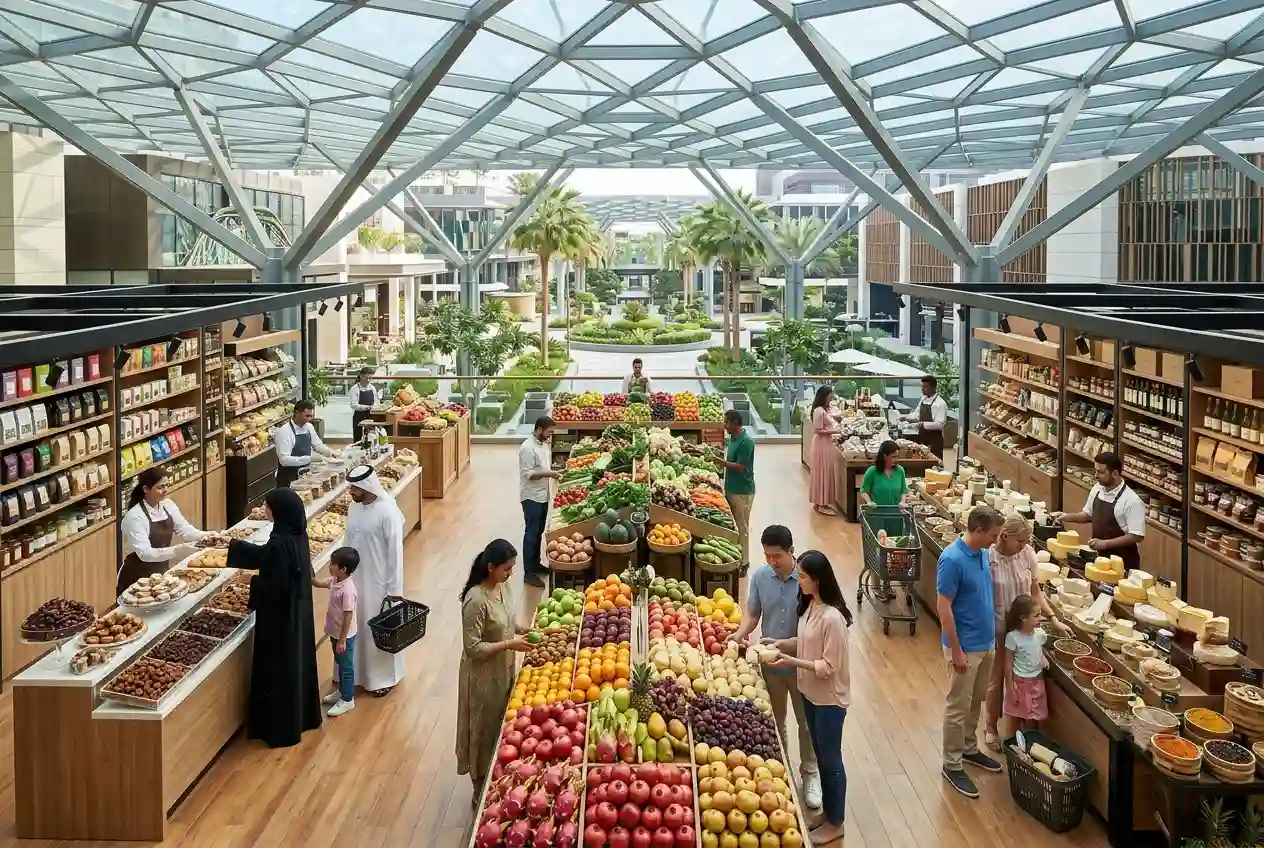

The concept of a food bazaar has evolved significantly in the UAE. Traditionally associated with vibrant marketplaces offering a variety of food products, today’s food bazaars combine convenience, diversity, and modern retail experiences to serve the needs of a multicultural population.
Across the Emirates, consumers have access to a wide range of food products sourced from local producers and international suppliers. Modern food markets offer everything from fresh produce and grocery essentials to specialty ingredients, packaged snacks, and ready-to-eat meals.
As consumer expectations continue to change, food bazaars play an important role in connecting buyers with diverse culinary options while supporting the broader food industry ecosystem.
What Is a Food Bazaar?
A food bazaar is generally a marketplace or retail environment where consumers can access a broad variety of food products under one roof. Unlike traditional grocery stores that may focus on a limited selection, food bazaars often emphasize diversity, cultural variety, and specialty offerings.
These markets can include:
- Fresh fruits and vegetables
- Packaged food products
- International grocery items
- Bakery products
- Frozen foods
- Specialty ingredients
- Prepared meals and snacks
This variety makes food bazaars particularly attractive in a country as culturally diverse as the UAE.
The Growing Popularity of Food Bazaars in the UAE
The UAE is home to residents from numerous countries and cultural backgrounds. As a result, demand for international food products remains consistently strong.
Food bazaars help meet this demand by offering products that cater to different tastes, dietary preferences, and cooking traditions. Consumers often prefer these markets because they can find multiple cuisines and ingredients in a single location.
The combination of convenience and product variety continues to drive the popularity of food-focused retail destinations across the country.
How Food Bazaars Fit into the Food Path
Food bazaars represent one of the final stages within the broader food path. Before products reach retail shelves, they move through sourcing, manufacturing, processing, warehousing, and distribution channels.
Retail markets act as the point where consumers directly interact with products that have traveled through this complex supply chain. Efficient retail operations help ensure food remains accessible, fresh, and available when needed.
Understanding this connection highlights the important role food bazaars play within the overall food ecosystem.
The Importance of Wholesale Distribution
The success of any food bazaar depends heavily on reliable supply chains. Retailers require consistent access to inventory in order to maintain product variety and meet consumer demand.
Wholesale distributors provide this support by connecting manufacturers and suppliers with retail businesses. Organizations such as Jaleel Cash and Carry Grocery and Food Wholesale contribute to the efficient movement of food products throughout the UAE market.
Strong distribution networks help ensure shelves remain stocked with both everyday essentials and specialty food items.
Packaged Foods and Consumer Convenience
Packaged food products occupy a significant portion of retail shelf space in modern food bazaars. Consumers increasingly seek convenient products that fit busy lifestyles while maintaining quality and value.
Manufacturers operating within the packaged food sector, including businesses discussed in Emirates Snack Foods and Emirates Snack Foods LLC, contribute to the growing range of snack and convenience products available in UAE retail markets.
These products provide consumers with quick meal and snack solutions while supporting overall retail growth.
The Relationship Between Food Bazaars and Restaurants
Food retailers and restaurants often serve complementary roles within the food industry. While retailers provide ingredients and grocery products, restaurants focus on preparing meals and dining experiences.
Many consumers discover new ingredients and food trends through both retail shopping and dining establishments. In some cases, food markets also include dining sections or food courts that enhance the overall customer experience.
This relationship is particularly visible within areas that feature a fast food restaurant alongside grocery and retail operations.
Technology Transforming Food Retail
Technology has become a major driver of change within the retail sector. Food bazaars increasingly utilize digital tools to improve customer experiences and operational efficiency.
Common innovations include:
- Online ordering systems
- Digital payment solutions
- Inventory management software
- Loyalty programs
- Personalized promotions
- Real-time stock monitoring
These technologies help retailers respond more effectively to consumer preferences while improving overall service quality.
Food Preparation and Retail Operations
Many modern food retailers offer freshly prepared products alongside packaged goods. In-store preparation requires efficient equipment and food handling processes.
Commercial tools such as a food processor help staff prepare ingredients quickly and consistently for ready-to-eat meals, fresh salads, bakery products, and specialty food offerings.
Operational efficiency helps retailers expand product variety while maintaining quality standards.
Food Courts and Integrated Shopping Experiences
Consumers increasingly prefer destinations that combine shopping, dining, and convenience within a single location. This trend has encouraged the integration of food courts and dining spaces within larger retail environments.
Facilities such as JAFZA Food Court 1 demonstrate how centralized dining concepts can effectively serve large communities while complementing broader food retail activities.
Integrated experiences encourage longer visits and create additional value for customers.
Industry Trends Shaping the Future of Food Bazaars
Several trends are expected to influence the future development of food bazaars throughout the UAE:
- Growing demand for healthy food options
- Expansion of international product selections
- Greater sustainability initiatives
- Increased digital integration
- Enhanced customer personalization
- Growth of omnichannel retail models
Retailers that adapt to these trends will be better positioned to meet changing consumer expectations.
Industry professionals frequently monitor developments through major food sector events such as Gulfood, where innovations in retail, distribution, manufacturing, and consumer behavior are regularly showcased.
Why Food Bazaars Matter in the UAE
Food bazaars contribute significantly to consumer convenience, product accessibility, and food diversity. They support local economies, provide opportunities for food brands to reach new customers, and help connect global food cultures within a single retail environment.
For consumers, these markets offer flexibility and choice. For businesses, they create opportunities to expand product visibility and strengthen market presence.
As the UAE food industry continues to evolve, food bazaars will remain an important part of the country’s retail landscape.
Conclusion
A food bazaar represents far more than a place to buy groceries. It serves as a central point where global supply chains, food manufacturers, distributors, retailers, and consumers come together.
Through product diversity, convenience, and innovation, food bazaars help meet the needs of the UAE’s multicultural population while supporting the broader food ecosystem. As retail trends continue to evolve, these marketplaces will remain valuable destinations for discovering new products, cuisines, and food experiences.