
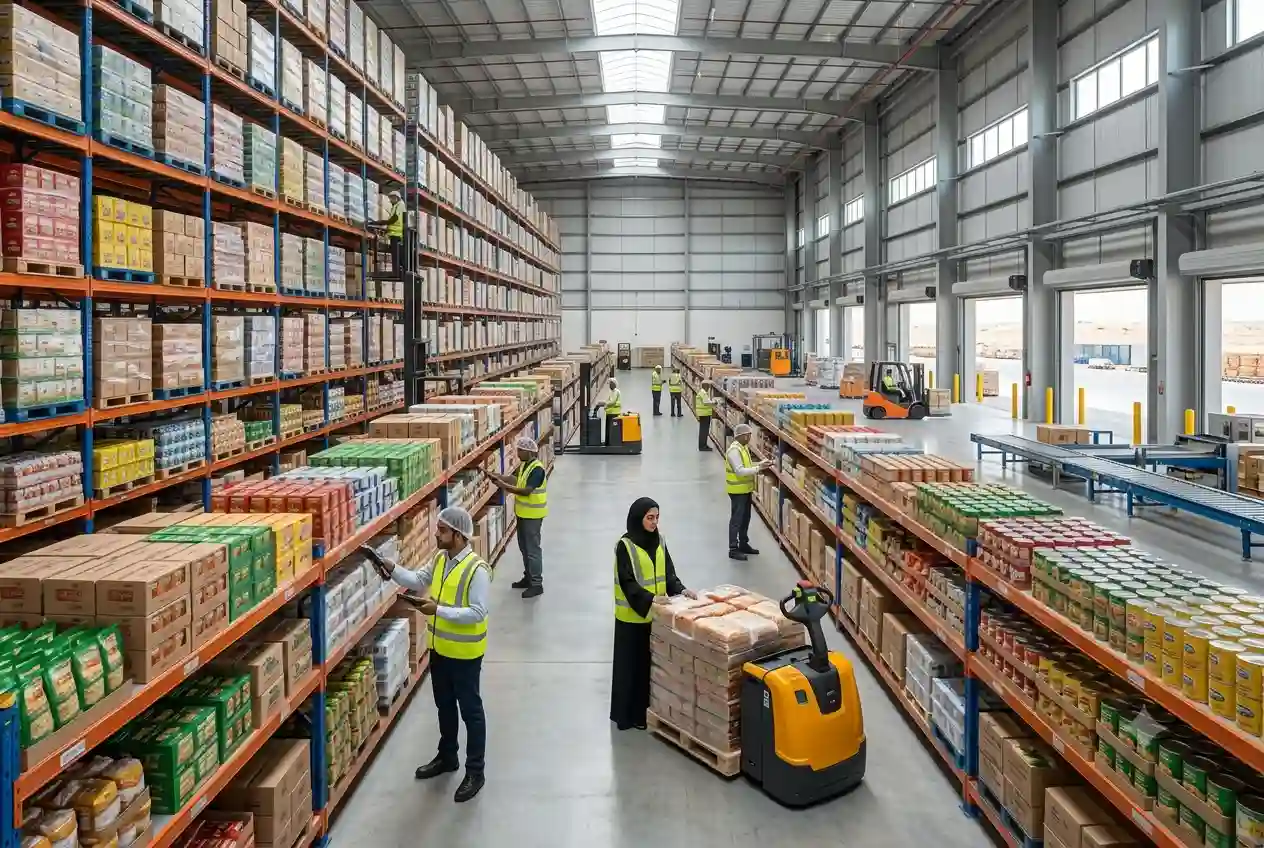

The UAE food industry depends on an extensive network of manufacturers, importers, distributors, wholesalers, retailers, and food service operators working together to ensure products reach consumers efficiently. Among the most important links in this ecosystem are wholesale food suppliers that connect producers with businesses requiring reliable access to food products and grocery inventory.
Jaleel Cash and Carry Grocery and Food Wholesale is widely recognized within the UAE food distribution sector and reflects the essential role wholesale operations play in supporting restaurants, supermarkets, convenience stores, catering companies, and other food-related businesses.
As the country’s population grows and consumer demand continues to evolve, efficient wholesale distribution remains a critical factor in maintaining food availability and supply chain stability.
The Importance of Food Wholesalers in the UAE
Food wholesalers serve as intermediaries between manufacturers and businesses that sell or serve food products to consumers. Rather than sourcing directly from numerous producers, retailers and food service operators often rely on wholesalers to simplify procurement and inventory management.
Wholesale suppliers provide access to a broad range of products, including:
- Packaged foods
- Beverages
- Fresh ingredients
- Frozen products
- Dry grocery items
- Food service supplies
This centralized sourcing model helps businesses reduce operational complexity while maintaining consistent product availability.
How Wholesale Distribution Supports the Food Path
Every food product follows a journey before reaching consumers. This journey is often described as the food path, which includes sourcing, production, processing, warehousing, transportation, distribution, and retail delivery.
Wholesale distributors occupy a crucial position within this process. They act as a bridge between manufacturers and end-market businesses, helping products move efficiently through the supply chain.
Without effective wholesale operations, retailers and restaurants would face greater challenges managing inventory, sourcing products, and maintaining consistent service levels.
Supporting Food Manufacturers and Producers
Food wholesalers play a vital role in helping manufacturers expand market reach. By distributing products across multiple retail and food service channels, wholesalers increase accessibility and improve product availability.
For example, packaged food producers discussed in Emirates Snack Foods and Emirates Snack Foods LLC rely on efficient distribution systems to ensure products reach businesses and consumers throughout the UAE.
Strong distribution partnerships allow manufacturers to focus on production while wholesalers manage inventory movement and market coverage.
Wholesale Supply for Restaurants and Food Service Businesses
Restaurants require reliable access to ingredients and operational supplies to maintain daily service. Wholesale distributors help ensure food businesses can source products efficiently while controlling procurement costs.
A typical fast food restaurant depends on consistent deliveries of ingredients, beverages, packaging materials, and food preparation supplies. Interruptions in the supply chain can directly impact customer service and business performance.
Wholesalers help reduce these risks by maintaining inventory and coordinating distribution schedules that align with customer requirements.
Serving Commercial Dining Facilities
Large dining environments often require substantial product volumes and dependable supply arrangements. Food courts, cafeterias, institutional kitchens, and catering operations rely heavily on wholesale procurement systems.
Facilities such as JAFZA Food Court 1 demonstrate how commercial dining environments benefit from efficient food distribution networks that support multiple food service operators simultaneously.
Reliable wholesale supply ensures vendors can meet customer demand while maintaining menu consistency and service quality.
Warehousing and Inventory Management
One of the most important functions of food wholesalers is inventory management. Warehousing facilities help store products safely while maintaining availability for customers across different sectors.
Effective inventory systems allow wholesalers to:
- Manage stock levels efficiently
- Reduce supply disruptions
- Support seasonal demand fluctuations
- Improve delivery responsiveness
- Enhance product availability
- Maintain supply chain stability
These capabilities contribute significantly to overall food market efficiency.
The Role of Food Processing in Wholesale Supply Chains
Food products distributed through wholesale networks often originate from manufacturing facilities that depend on advanced processing technologies.
Equipment such as a food processor and other production systems help manufacturers prepare, package, and standardize products before distribution.
Efficient processing improves product consistency and enables manufacturers to meet the large-scale demand supported by wholesale channels.
Wholesale Distribution and Retail Markets
Retail businesses represent one of the largest customer segments served by food wholesalers. Supermarkets, convenience stores, specialty food shops, and independent retailers all depend on reliable supply chains.
Many retail environments resemble a modern food bazaar, offering consumers access to diverse local and international products from multiple suppliers.
Wholesalers help maintain this variety by coordinating procurement and ensuring products remain available across different retail categories.
Technology Transforming Food Distribution
Technology continues to improve how wholesalers manage inventory, logistics, forecasting, and customer relationships. Digital systems enable greater visibility across the supply chain and help businesses respond more effectively to market changes.
Modern distribution operations increasingly utilize:
- Inventory management software
- Warehouse automation systems
- Real-time logistics tracking
- Demand forecasting tools
- Digital procurement platforms
- Supply chain analytics
These innovations contribute to improved efficiency and stronger operational performance.
Industry Events and Market Development
The UAE hosts several major food industry events that connect manufacturers, distributors, retailers, and food service operators. These gatherings provide opportunities to explore emerging trends, technologies, and business partnerships.
One of the most prominent industry platforms is Gulfood, which attracts participants from across the global food sector and highlights developments throughout the supply chain.
Industry collaboration supports innovation and helps strengthen food distribution networks throughout the region.
The Future of Food Wholesale in the UAE
The future outlook for food wholesale distribution remains positive. Population growth, tourism expansion, retail development, and increasing consumer demand continue to create opportunities for distributors operating throughout the UAE.
Businesses that invest in technology, logistics optimization, inventory management, and customer service are likely to remain competitive as the market evolves.
Sustainability initiatives and greater supply chain transparency are also expected to influence future distribution strategies across the food industry.
Conclusion
Jaleel Cash and Carry Grocery and Food Wholesale represents an important component of the UAE food distribution ecosystem. By connecting manufacturers with retailers, restaurants, and food service operators, wholesale distributors help ensure products move efficiently through the supply chain.
From supporting packaged food brands and commercial dining facilities to maintaining retail inventory and strengthening logistics networks, wholesalers play a critical role in food availability across the Emirates. As the UAE food sector continues to grow, efficient distribution will remain essential to long-term industry success.