
A food processor is one of the most versatile pieces of equipment used in modern kitchens and food production environments. Whether in a household kitchen, a busy restaurant, or a large-scale manufacturing facility, food processors help streamline preparation tasks, improve efficiency, and maintain consistency.
As the UAE food industry continues to grow, the demand for efficient food preparation solutions has increased across multiple sectors. Restaurants, catering businesses, food manufacturers, and hospitality operators rely on food processing equipment to meet production demands while maintaining quality standards.
Understanding how food processors work and where they fit within the broader food ecosystem can help businesses and consumers make informed decisions about food preparation and operational efficiency.
What Is a Food Processor?
A food processor is a kitchen appliance designed to automate various food preparation tasks. Depending on the model and attachments used, it can perform functions such as chopping, slicing, shredding, mixing, blending, grinding, and kneading.
Unlike single-purpose kitchen tools, food processors combine multiple capabilities into one machine, making them valuable in both domestic and commercial settings.
Their versatility helps reduce manual labor while improving preparation speed and consistency across different food applications.
How a Food Processor Works
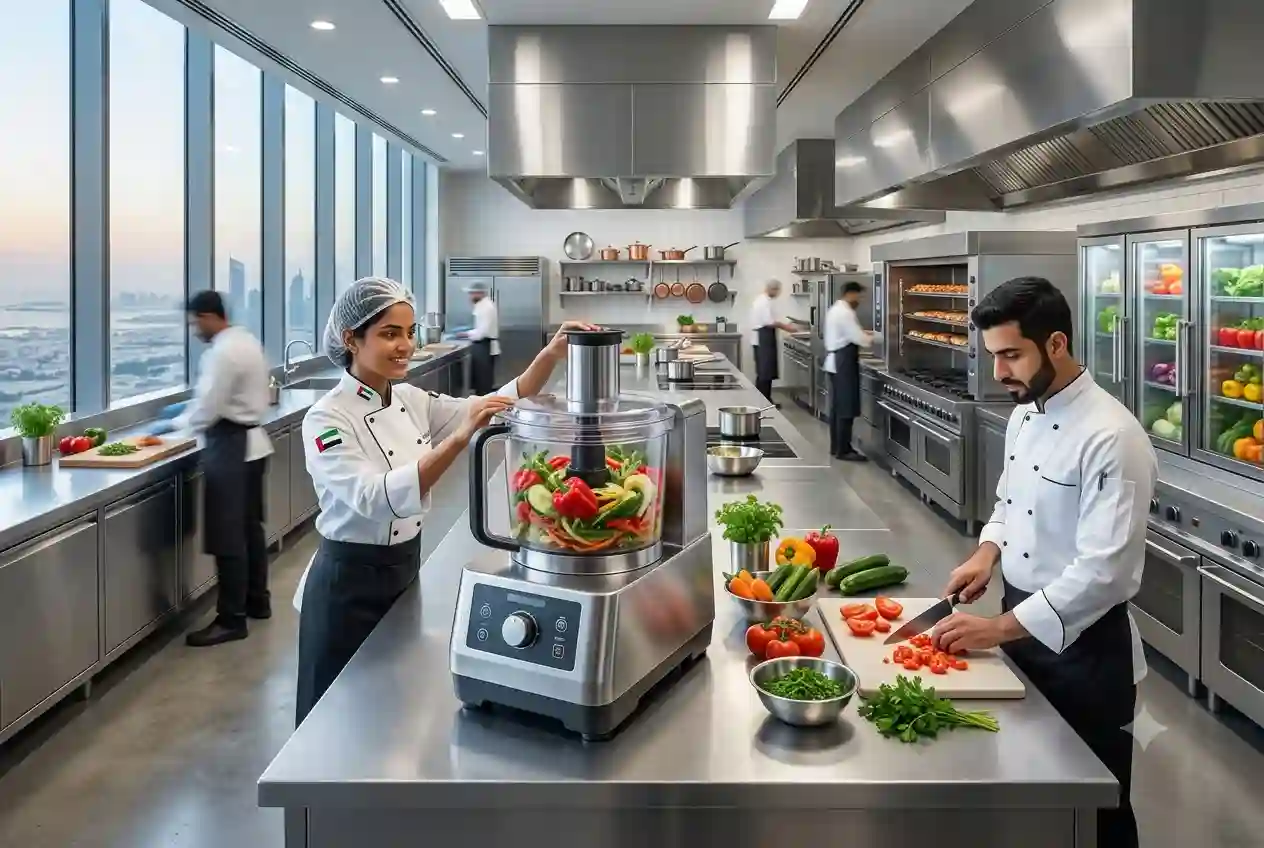
Most food processors consist of a motorized base, a processing bowl, interchangeable blades, and control settings that allow users to perform different tasks efficiently.
When ingredients are placed inside the bowl, rotating blades process food according to the selected function. Different blade attachments can be used for:
- Chopping vegetables
- Slicing fruits and ingredients
- Shredding cheese
- Mixing sauces and dressings
- Grinding nuts and spices
- Kneading dough
This flexibility makes food processors useful across a wide range of food preparation requirements.
The Role of Food Processors in Commercial Kitchens
Commercial kitchens often handle large volumes of food preparation daily. Restaurants, hotels, cafeterias, and catering businesses use food processors to improve workflow efficiency and reduce preparation times.
For example, a fast food restaurant may rely on food processors to prepare vegetables, sauces, ingredients, and menu components consistently throughout the day.
By automating repetitive tasks, food processors help kitchen teams focus on cooking, service quality, and customer satisfaction.
Importance in Food Manufacturing
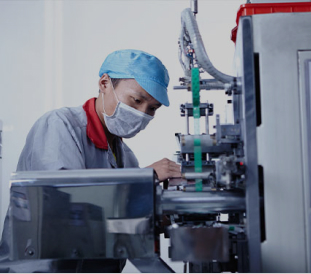
Food processors play a critical role in large-scale food manufacturing operations. Production facilities use specialized processing equipment to maintain consistency, improve productivity, and support quality assurance requirements.
Manufacturers involved in packaged snack production, including businesses associated with Emirates Snack Foods and Emirates Snack Foods LLC, depend on advanced food processing systems to support efficient production and maintain product standards.
Industrial-scale food processing equipment enables manufacturers to meet market demand while maintaining operational efficiency.
Benefits of Using a Food Processor
Food processors offer several advantages that make them valuable tools across different food-related industries.
Improved Efficiency
Tasks that might take significant time manually can often be completed within minutes using a food processor.
Consistent Results
Uniform slicing, chopping, and mixing help maintain product quality and presentation.
Labor Savings
Automation reduces the need for extensive manual preparation, improving overall productivity.
Versatility
A single machine can perform multiple food preparation functions, reducing equipment requirements.
Scalability
Food processors are available in various sizes, making them suitable for home users, restaurants, and industrial facilities.
The Food Processor’s Role in the Food Path
Food preparation equipment contributes directly to the broader food path. Efficient processing supports product quality, reduces waste, and improves operational consistency throughout the supply chain.
Whether food is being prepared for retail shelves, restaurant kitchens, or wholesale distribution, processing equipment helps ensure ingredients are handled efficiently before reaching consumers.
As food businesses seek greater efficiency, investment in processing technology continues to increase across the UAE.
Applications Across the UAE Food Industry
Food processors are used throughout numerous sectors, including:
- Restaurants and cafes
- Hotels and resorts
- Catering companies
- Food manufacturing facilities
- Wholesale food preparation centers
- Institutional kitchens
- Home kitchens
Their widespread adoption reflects the growing importance of operational efficiency within the modern food industry.
Supporting Wholesale and Distribution Operations
Large-scale food distributors often work with suppliers and manufacturers that depend on food processing technology. Businesses sourcing ingredients and packaged products through organizations such as Jaleel Cash and Carry Grocery and Food Wholesale benefit from supply chains supported by efficient processing and production systems.
Processing equipment helps manufacturers maintain inventory levels and respond effectively to market demand.
Food Processors in Retail Food Production
Many specialty retailers and fresh food outlets perform in-house food preparation using commercial processing equipment. Stores that resemble a modern food bazaar may use food processors for preparing ready-to-eat meals, fresh ingredients, and specialty food products.
This capability allows retailers to offer greater product variety while maintaining quality and consistency.
Consumers increasingly value fresh, convenient products that are prepared efficiently and safely.
Technology and Future Developments
Advancements in food processing technology continue to improve equipment performance, energy efficiency, and operational flexibility. Modern machines often include programmable settings, enhanced safety features, and automated cleaning systems.
As food businesses seek to improve productivity and reduce operational costs, demand for advanced processing solutions is expected to increase.
Industry professionals frequently monitor innovations showcased at major food industry events such as Gulfood, where emerging technologies and equipment developments are introduced to the market.
Choosing the Right Food Processor
Selecting the right food processor depends on several factors, including intended use, production volume, available space, and operational requirements.
Home users may prioritize versatility and ease of use, while commercial kitchens often focus on durability, capacity, and processing speed. Manufacturing facilities typically require specialized industrial equipment designed for continuous production environments.
Evaluating these requirements carefully helps ensure businesses invest in equipment that aligns with their operational goals.
Conclusion
A food processor is far more than a simple kitchen appliance. It serves as an essential tool across restaurants, catering businesses, retail operations, and large-scale food manufacturing facilities throughout the UAE.
By improving efficiency, ensuring consistency, and supporting food preparation at every stage of the supply chain, food processors contribute significantly to modern food production. As the UAE food industry continues to evolve, processing technology will remain a key factor in helping businesses meet growing consumer demand while maintaining quality and operational excellence.