
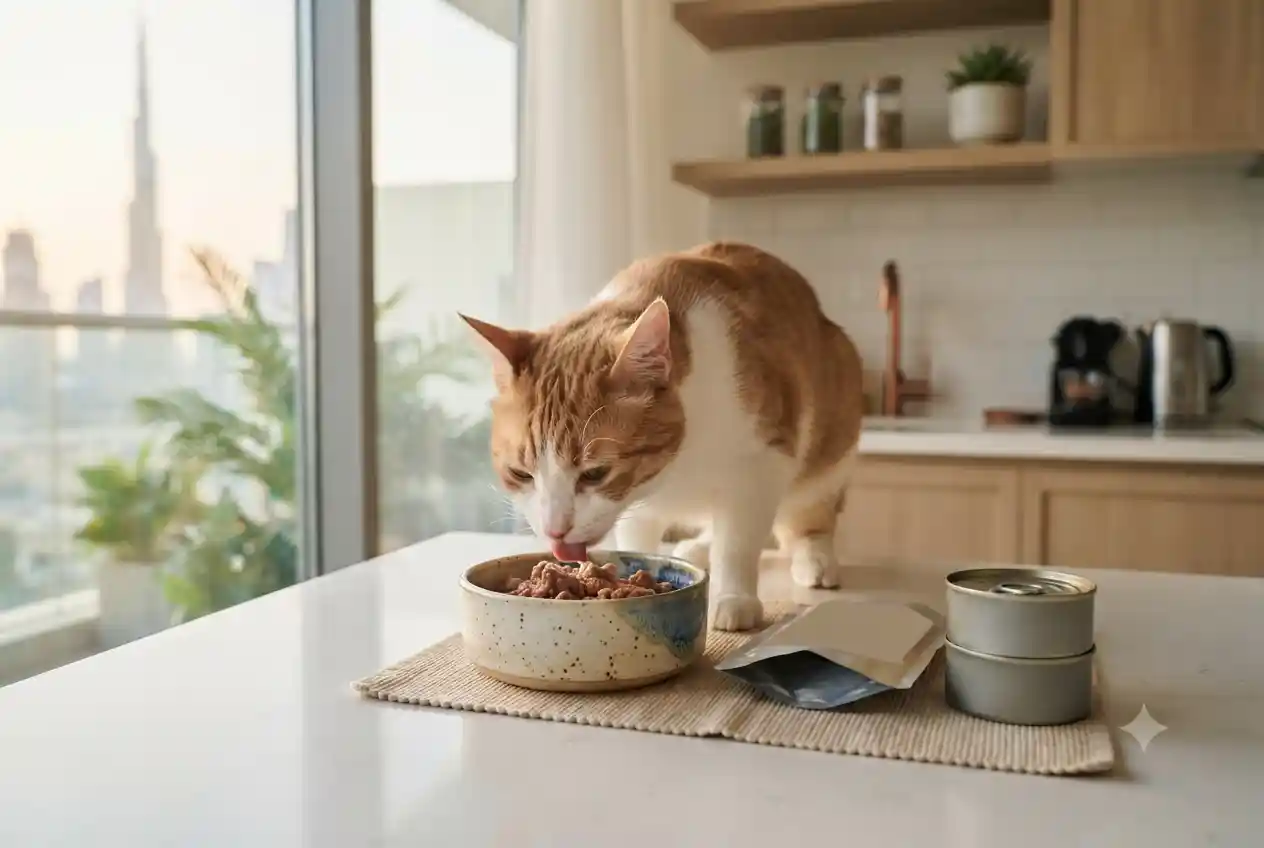

Providing balanced nutrition is one of the most important aspects of responsible cat ownership. Wet cat food is a popular choice among pet owners because of its high moisture content, appealing texture, and wide variety of recipes designed for kittens, adult cats, and senior cats.
Whether you own an indoor companion or a highly active outdoor cat, selecting the right diet can contribute to overall health and wellbeing. Understanding the benefits of wet food, appropriate feeding practices, and storage recommendations can help you make informed decisions for your pet.
What Is Wet Cat Food?
Wet cat food is a commercially prepared diet that typically contains a higher moisture content than dry kibble. It is commonly sold in cans, trays, or single-serving pouches and is formulated to provide complete and balanced nutrition when fed according to the manufacturer’s guidelines.
Recipes vary by brand and life stage, with options tailored for kittens, adult cats, senior cats, and pets with specific nutritional requirements.
Benefits of Wet Cat Food
Higher Moisture Content
One of the main advantages of wet food is its naturally higher water content, which contributes to a cat’s overall fluid intake. This can be especially useful for cats that drink relatively little water on their own.
Highly Palatable
Many cats enjoy the aroma and texture of wet food, making it a practical option for selective eaters or pets with reduced appetites.
Easy to Chew
The softer texture may be easier for kittens, senior cats, or cats with dental issues to eat comfortably.
Portion Convenience
Single-serving pouches and trays make meal planning straightforward while helping reduce food waste.
Wet Cat Food vs Dry Cat Food
Both wet and dry foods can provide complete nutrition when selected appropriately. The choice often depends on your cat’s preferences, health status, and your veterinarian’s recommendations.
If you’re comparing feeding options, our guide to dry cat food explains the key differences between kibble and canned diets.
- Wet food generally contains more moisture.
- Dry food is typically easier to store after opening.
- Both should be fed according to recommended portions.
- Many owners successfully combine both as part of a mixed-feeding routine.
Choosing the Right Wet Cat Food
When selecting a product, consider the following factors:
- Your cat’s age.
- Activity level.
- Body condition.
- Existing medical conditions.
- Ingredient quality.
- Nutritional completeness.
Always choose products intended for your cat’s life stage and follow the feeding guidance provided on the packaging.
Reading the Ingredient Label
Understanding product labels helps you compare different diets. Look for:
- Clearly listed ingredients.
- Guaranteed nutritional analysis.
- Feeding recommendations.
- Storage instructions.
- Expiry dates.
If you are considering a well-known commercial option, you may also find our review of Whiskas cat food helpful when comparing available products.
How Much Wet Cat Food Should You Feed?
The correct feeding amount depends on several factors, including:
- Age
- Weight
- Activity level
- Health condition
- Whether wet food is fed alone or alongside dry food
Your veterinarian can provide personalized recommendations based on your cat’s nutritional needs.
Safe Storage Tips
Proper storage helps preserve freshness and food quality.
- Refrigerate unused portions after opening.
- Use clean feeding bowls.
- Discard food that has remained at room temperature for extended periods.
- Check expiry dates before serving.
- Store unopened products according to manufacturer instructions.
Transitioning to Wet Food
If you’re introducing wet food for the first time, make the transition gradually over several days by mixing small amounts with your cat’s current diet. This approach allows your pet to adjust while minimizing the possibility of digestive upset.
When to Seek Veterinary Advice
Consult a veterinarian if your cat experiences persistent vomiting, diarrhea, significant weight changes, reduced appetite, or any other ongoing health concerns after changing diets. A professional evaluation helps determine whether the issue is related to nutrition or another medical condition.
To Sum Up
Wet cat food offers a nutritious and convenient feeding option for many cats in the UAE. Its higher moisture content, appealing texture, and wide variety of formulations make it suitable for different life stages and dietary preferences. By selecting a high-quality product, following recommended feeding guidelines, and storing food correctly, you can help support your cat’s long-term health and wellbeing.
For reliable information on feline nutrition and feeding recommendations, visit the WSAVA Global Nutrition Guidelines, which provide evidence-based resources for pet owners and veterinary professionals.