
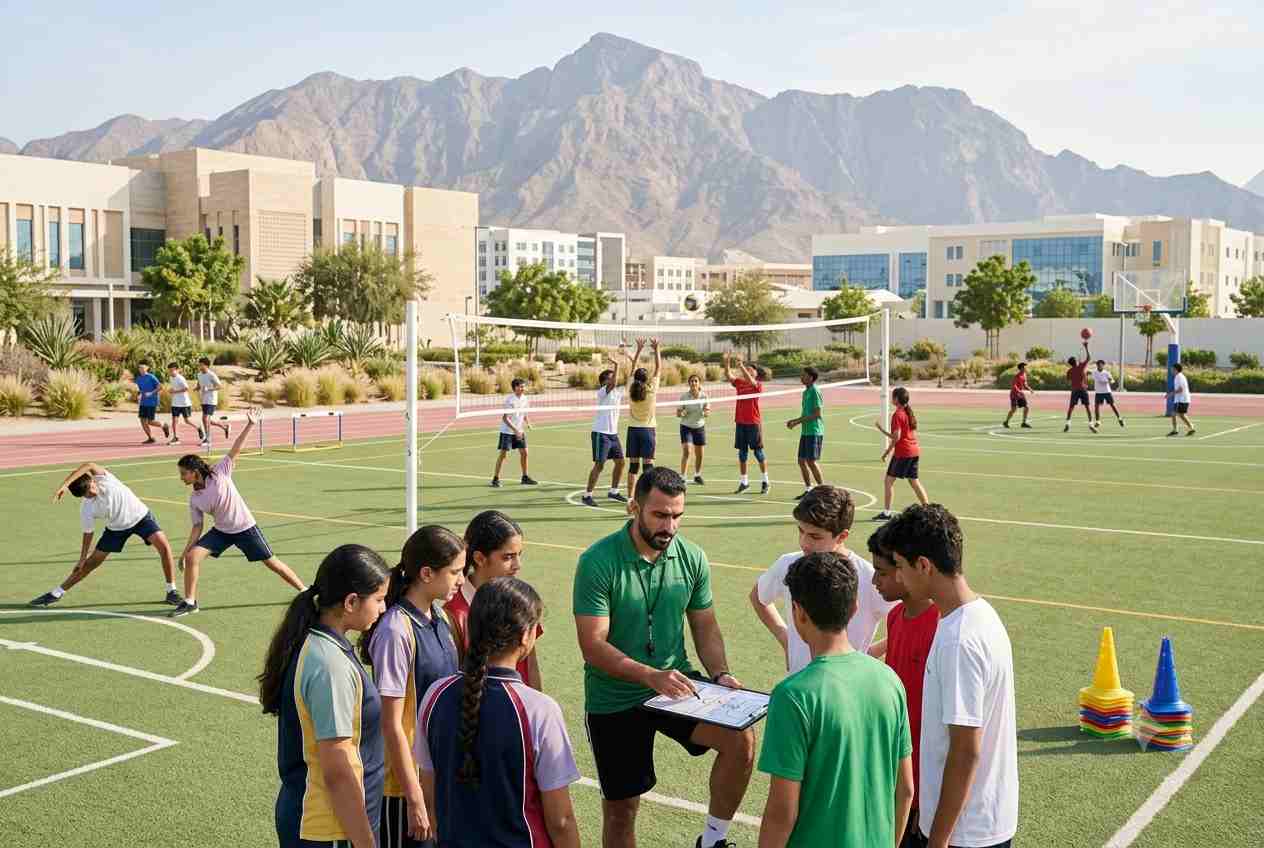

Physical education is one of the most important components of a well-rounded educational system. While academic subjects focus on intellectual development, physical education helps students improve their physical fitness, mental well-being, teamwork skills, and overall health. In modern schools, physical education is recognized as an essential part of student development rather than simply an extracurricular activity.
Across the UAE and around the world, educators increasingly understand that healthy students are often better prepared to learn, participate in classroom activities, and achieve academic success. As educational institutions continue emphasizing holistic development, physical education remains a vital element of the learning experience.
From improving physical fitness to encouraging lifelong healthy habits, physical education provides benefits that extend far beyond the sports field.
What Is Physical Education?
Physical education, often referred to as PE, is a structured educational program designed to promote physical activity, fitness, movement skills, and healthy lifestyles. It includes a variety of activities that help students develop strength, coordination, endurance, flexibility, and teamwork.
Modern physical education programs are designed to accommodate students of different abilities and interests while encouraging participation and personal growth.
Common physical education activities may include:
- Team sports
- Individual sports
- Fitness training
- Athletics and track events
- Movement and coordination exercises
- Health education
- Recreational activities
The primary objective is to help students develop habits that support lifelong physical and mental wellness.
Why Physical Education Matters
Physical education contributes to student development in ways that extend beyond physical fitness. Regular participation in physical activities supports cognitive function, emotional well-being, and social development.
Research consistently shows that students who engage in regular physical activity often demonstrate improved concentration, stronger classroom engagement, and better overall academic performance.
Physical education also provides opportunities for students to develop discipline, perseverance, and self-confidence through structured activities and goal-oriented challenges.
Physical Benefits of Physical Education
The most visible benefits of physical education relate to physical health and fitness. Students who participate regularly in physical activities develop stronger bodies and healthier lifestyle habits.
Physical benefits include:
- Improved cardiovascular fitness
- Better muscular strength and endurance
- Enhanced flexibility and mobility
- Improved coordination and balance
- Healthy weight management
- Increased energy levels
- Better overall physical health
These benefits can contribute to long-term health outcomes and reduce the risk of lifestyle-related health issues later in life.
Mental and Emotional Benefits
Physical education supports mental health as well as physical fitness. Exercise has been linked to improved mood, reduced stress, and enhanced emotional well-being.
Students who participate in regular physical activity may experience:
- Reduced stress levels
- Improved self-esteem
- Better emotional regulation
- Increased confidence
- Enhanced focus and concentration
- Greater resilience and motivation
These outcomes help students manage academic pressures while supporting overall personal development.
Developing Social and Teamwork Skills
Physical education creates valuable opportunities for social interaction and collaboration. Team-based activities encourage students to communicate effectively, cooperate with peers, and work toward common goals.
Through participation in sports and group activities, students often develop:
- Leadership skills
- Teamwork abilities
- Communication skills
- Respect for others
- Sportsmanship
- Conflict resolution skills
These competencies are transferable to academic environments, workplaces, and everyday life.
Physical Education and Academic Performance
There is growing evidence that physical activity can positively influence academic achievement. Active students often demonstrate stronger concentration, improved memory, and better classroom behavior.
The principles of evidence based education support the use of research-driven practices that improve learning outcomes, and many studies indicate that physical activity contributes to cognitive development and academic success.
As a result, many educational institutions integrate physical education into broader student development strategies.
The Role of Schools in Promoting Healthy Lifestyles
Schools play an important role in helping students develop healthy habits that continue into adulthood. Physical education programs provide structured opportunities for students to learn about fitness, nutrition, wellness, and active living.
Educational institutions across the UAE increasingly recognize the importance of balanced development that combines academic achievement with physical and emotional well-being.
Institutions such as Cambridge Educational Institute and Meccademia Education Institute operate within an educational environment that values comprehensive student development and lifelong learning.
Physical Education in UAE Schools
The UAE has made significant efforts to promote student health and wellness through educational initiatives and school-based programs. Physical education remains an important part of the curriculum, supporting national goals related to health, well-being, and human development.
Schools across the country continue investing in sports facilities, fitness programs, and wellness initiatives that encourage students to remain active and engaged.
These efforts align with broader educational objectives aimed at preparing students for healthy and productive futures.
Educational Excellence and Student Well-Being
Educational excellence extends beyond academic achievement alone. Schools that prioritize student well-being often create environments where learners can thrive both academically and personally.
Recognition programs such as the Khalifa Award for Education help promote innovative practices and educational excellence, including initiatives that support student health, engagement, and development.
Holistic approaches to education acknowledge the important connection between physical wellness and academic success.
The Role of Educational Authorities
Educational authorities contribute to the development of physical education programs by establishing standards, supporting curriculum development, and promoting student wellness initiatives.
Organizations such as the Ministry of Education Ras Al Khaimah and Ministry of Education Al Ain help support educational policies that encourage balanced student development.
Through collaboration with schools and educators, these authorities contribute to creating healthier learning environments.
Encouraging Lifelong Physical Activity
One of the most important goals of physical education is encouraging lifelong participation in physical activity. Students who develop positive attitudes toward exercise during their school years are more likely to maintain active lifestyles as adults.
Lifelong physical activity can contribute to:
- Improved long-term health
- Enhanced quality of life
- Greater physical independence
- Reduced health risks
- Better mental well-being
These benefits make physical education an investment in both current and future health outcomes.
Conclusion
Physical education is an essential part of modern education, supporting physical fitness, mental well-being, social development, and academic achievement. By encouraging active lifestyles and healthy habits, physical education helps students develop the skills and confidence needed for lifelong success.
As educational institutions continue emphasizing holistic student development, physical education will remain a cornerstone of effective learning environments. Its benefits extend far beyond the classroom, helping students build healthier, more balanced, and more productive lives.