
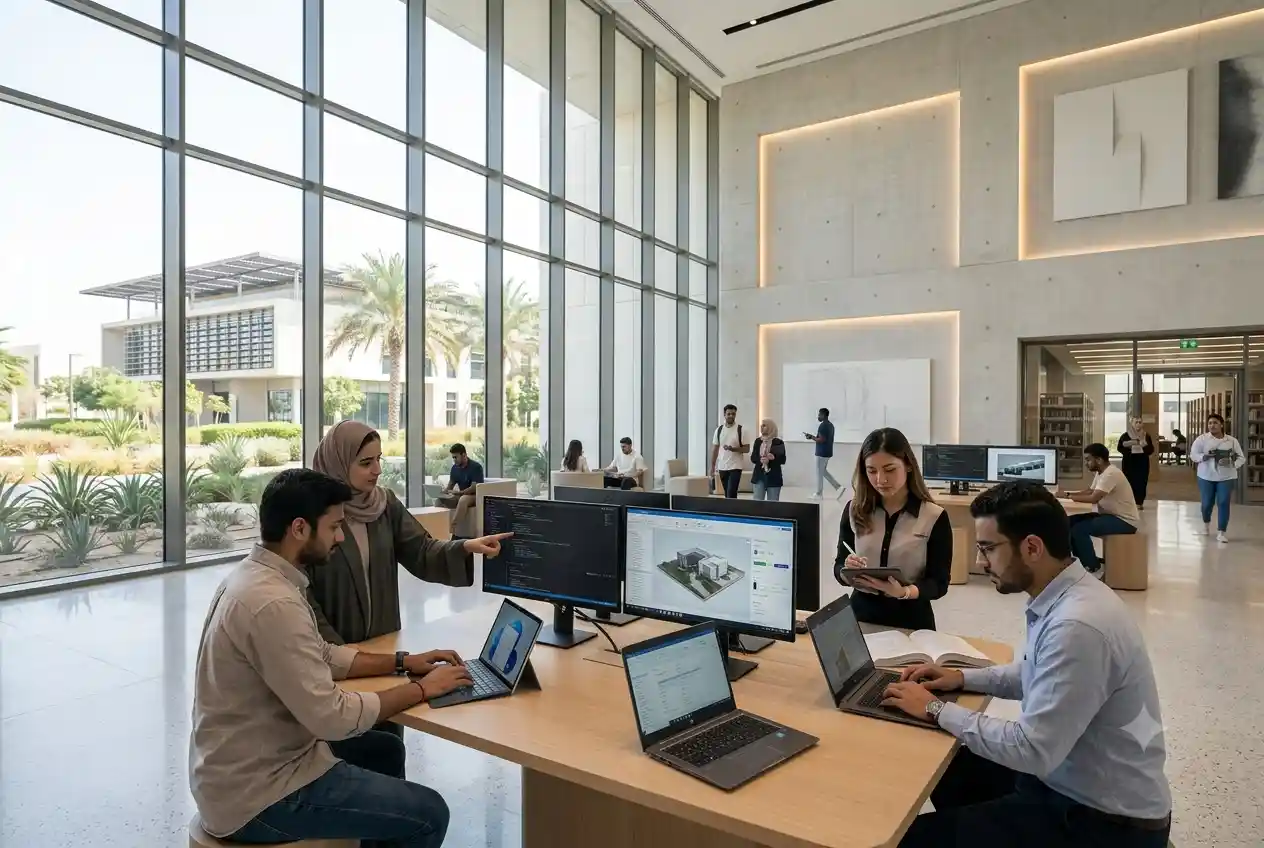

The UAE has developed a strong reputation for investing in education, innovation, and workforce development. As industries become increasingly technology-driven, students are seeking institutions that provide practical skills, industry-relevant knowledge, and career-focused learning experiences. One institution frequently explored by students and parents is Liwa College of Technology.
Higher education plays a critical role in preparing graduates for the modern workforce, particularly in fields such as information technology, business, healthcare, engineering, and digital innovation. Colleges that combine academic learning with practical application are becoming increasingly valuable in today’s competitive job market.
For students evaluating educational opportunities in the UAE, understanding academic programs, campus life, career pathways, and industry connections can help support informed decisions about their future.
Understanding Liwa College of Technology
Liwa College of Technology is part of the UAE’s growing higher education landscape, offering programs designed to equip students with knowledge and skills that align with modern industry requirements.
The institution focuses on developing graduates who can contribute effectively to both public and private sector organizations. As employers increasingly prioritize practical competencies alongside academic qualifications, colleges continue adapting their curricula to meet evolving workforce needs.
Technology, business innovation, and digital transformation remain key themes across many educational programs throughout the UAE.
Why Technology-Focused Education Matters
The UAE continues to position itself as a regional leader in innovation, smart city development, artificial intelligence, and digital transformation. As a result, demand for skilled professionals has expanded significantly across multiple sectors.
Students pursuing technology-oriented education often gain exposure to areas such as:
- Information technology
- Software development
- Cybersecurity
- Data analytics
- Cloud computing
- Business technology
- Digital communication systems
These skills are increasingly valuable as organizations modernize their operations and adopt new digital solutions.
Readers interested in the broader role of technology within the UAE economy may also find useful insights in Key Information Technology UAE, which explores how businesses leverage modern IT solutions to drive growth and innovation.
Academic Programs and Areas of Study
Modern higher education institutions aim to balance theoretical learning with practical application. This approach helps students develop both technical expertise and professional competencies.
Programs commonly associated with technology-focused colleges often include:
Information Technology
IT programs typically cover networking, systems administration, database management, cybersecurity fundamentals, and emerging technologies.
Business Administration
Business-related programs help students understand management principles, entrepreneurship, marketing, finance, and organizational leadership.
Health Sciences
The healthcare sector continues to expand throughout the UAE, creating opportunities for graduates with specialized healthcare knowledge and practical training.
Engineering and Applied Sciences
Engineering-focused education supports sectors such as infrastructure development, manufacturing, energy, and technology innovation.
The availability of diverse academic disciplines enables students to align their studies with long-term career goals.
Industry-Relevant Learning and Practical Experience
One of the most important aspects of higher education today is ensuring that graduates are prepared for real-world workplace challenges.
Many UAE institutions increasingly emphasize:
- Practical laboratory training
- Industry projects
- Internship opportunities
- Case study analysis
- Technology-based learning environments
- Professional development activities
These experiences help students build confidence while developing skills that employers actively seek.
As digital transformation continues across industries, organizations are increasingly looking for graduates who understand both business processes and technology applications.
The Growing Demand for Technology Professionals in the UAE
The UAE’s digital economy has created strong demand for skilled technology professionals across both government and private sectors.
Career opportunities continue expanding in areas such as:
- IT support and administration
- Cybersecurity operations
- Cloud infrastructure management
- Software development
- Business intelligence
- Data analysis
- Digital transformation consulting
Organizations across industries increasingly depend on technology to improve efficiency, customer experience, and operational performance.
This demand has encouraged educational institutions to continually update curricula and align learning outcomes with evolving market requirements.
Student Life and Campus Experience
Academic success is only one component of the higher education journey. Student engagement, networking opportunities, extracurricular activities, and personal development also contribute significantly to overall educational outcomes.
Students often benefit from:
- Student organizations
- Career development workshops
- Industry networking events
- Technology competitions
- Leadership programs
- Community engagement initiatives
These experiences help students develop communication, teamwork, leadership, and problem-solving abilities that remain valuable throughout their careers.
Technology’s Influence on Modern Education
Educational institutions across the UAE increasingly integrate technology into teaching and learning environments.
Digital learning platforms, virtual collaboration tools, cloud-based resources, and interactive educational technologies have transformed how students access information and engage with coursework.
Many institutions now incorporate elements of digital literacy and technology awareness across multiple academic disciplines to prepare students for future workplace expectations.
Students comparing technology-focused institutions may also explore Emirates College of Technology as part of their broader research into higher education opportunities in the UAE.
Preparing for Future Career Opportunities
The future workforce will require a combination of technical knowledge, adaptability, and continuous learning.
Graduates entering today’s job market benefit from developing competencies in:
- Critical thinking
- Digital literacy
- Data interpretation
- Project management
- Communication skills
- Problem-solving abilities
- Technology adoption
Employers increasingly value candidates who can contribute to innovation initiatives and support organizational transformation efforts.
The UAE’s Commitment to Higher Education Excellence
The UAE continues investing heavily in educational development, research initiatives, innovation programs, and workforce readiness strategies.
Through partnerships between academic institutions, industry stakeholders, and government organizations, students gain access to opportunities that support career growth and lifelong learning.
Additional information about higher education institutions and academic standards can be found through the UAE Ministry of Education, which provides resources related to the country’s educational framework.
Choosing the Right Educational Path
Selecting a college involves evaluating academic programs, learning environments, career support services, and long-term professional objectives.
Prospective students should consider factors such as:
- Program relevance
- Faculty expertise
- Industry partnerships
- Internship opportunities
- Student support services
- Campus facilities
- Career development resources
A well-informed decision can help students maximize both educational outcomes and future employment opportunities.
Essential Scam Prevention Tips
Liwa College of Technology represents part of the UAE’s expanding higher education ecosystem, supporting students who seek career-focused learning and practical skills development. As industries continue embracing digital transformation, technology-driven education becomes increasingly important for workforce readiness and professional success.
By combining academic learning with practical experiences and industry-relevant knowledge, students can build strong foundations for future careers in a rapidly evolving economy.