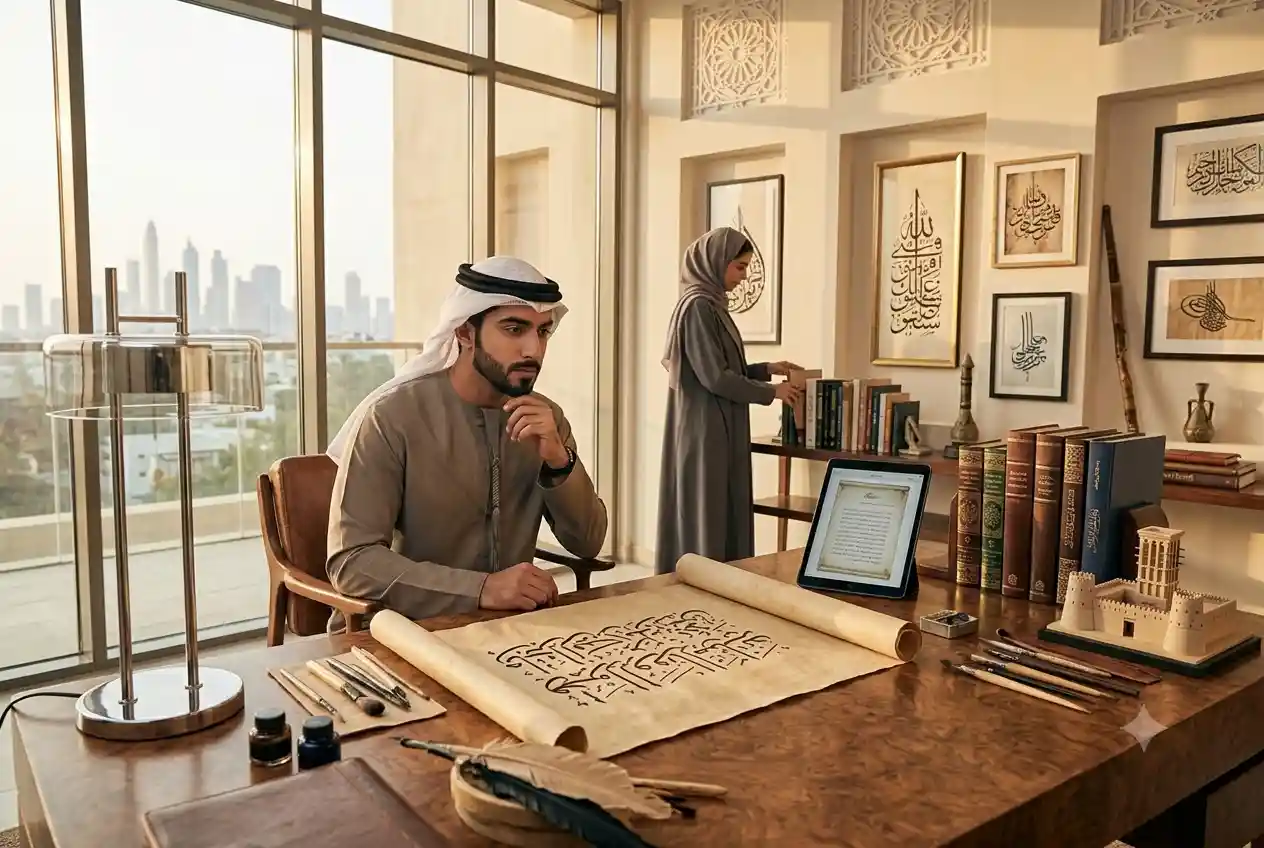

The UAE has established itself as one of the world’s leading destinations for multicultural education. With students and educators representing diverse nationalities, educational institutions increasingly adopt international teaching approaches that prepare learners for a globally connected future. The international concept for education focuses on developing academic excellence while encouraging cultural awareness, critical thinking, collaboration, and lifelong learning.
Whether students attend international schools, higher education institutions, or professional training centers, this educational approach supports knowledge that extends beyond traditional classroom learning and prepares individuals for academic and professional success worldwide.
What Is the International Concept for Education?
The international concept for education is a learning philosophy that combines globally recognized academic standards with practical skills, innovation, and cross-cultural understanding. Rather than concentrating solely on examinations, it encourages students to become independent thinkers who can solve problems, communicate effectively, and adapt to changing environments.
Many educational institutions integrate international teaching methods through project-based learning, technology integration, collaborative activities, and real-world applications.
Why International Education Is Important
Modern careers often require individuals to work with people from different countries and cultural backgrounds. International education helps students develop both academic knowledge and interpersonal skills needed in today’s global economy.
Some of its major advantages include:
- Exposure to diverse cultures and perspectives
- Improved communication skills
- Critical thinking and problem-solving abilities
- Greater adaptability to international workplaces
- Preparation for higher education abroad
- Development of lifelong learning habits
Key Features of International Learning
Student-Centered Learning
Students are encouraged to participate actively through discussions, research, presentations, and collaborative projects rather than relying solely on lectures.
Technology Integration
Digital tools, online resources, and interactive learning platforms help students develop essential technology skills alongside academic knowledge.
Global Perspective
Courses often include international examples, multicultural case studies, and opportunities to understand global challenges and opportunities.
Continuous Assessment
Many international learning models evaluate students through assignments, presentations, coursework, and practical projects in addition to examinations.
Benefits for Students
An international educational approach supports learners in several ways:
- Higher academic confidence
- Improved language and communication skills
- Better preparation for university
- Greater career flexibility
- Enhanced leadership abilities
- Strong teamwork and collaboration skills
These qualities become valuable assets as students transition into higher education and professional careers.
International Education in the UAE
The UAE is home to a wide range of international schools, universities, and professional institutes offering globally recognized curricula. Families can choose from British, American, International Baccalaureate (IB), Indian, and other educational systems depending on their academic goals.
This diversity allows students to receive internationally relevant education while benefiting from the UAE’s safe, multicultural learning environment.
Preparing for Future Careers
Employers increasingly seek graduates who demonstrate adaptability, analytical thinking, communication skills, and international awareness. Students who participate in globally focused education often develop competencies that support careers across multiple industries, including business, technology, healthcare, engineering, finance, and education.
Professional development should continue even after graduation through specialized training, certifications, and lifelong learning opportunities.
Related Educational Resources
Students and professionals following international education pathways may also benefit from related educational services across the UAE. For example, graduates applying for employment or further studies may need Ministry of Education attestation for official recognition of academic qualifications. Teachers seeking professional growth can explore Emirates Education Academy, while workplace skill development opportunities are available through MMI Education and Training. Learners comparing institutions may also find Al Hikma Institute Wisdom Education and Times Education Sharjah useful resources.
Tips for Parents and Students
- Choose programs that match long-term academic goals.
- Encourage curiosity and independent learning.
- Develop digital literacy alongside traditional subjects.
- Participate in extracurricular and leadership activities.
- Maintain strong communication with teachers and mentors.
- Stay informed about educational developments and university opportunities.
Official Education Information
Parents, students, and educators should rely on the UAE Ministry of Education for official guidance regarding educational policies, qualification recognition, and student services.
The Takeaway
The international concept for education reflects the UAE’s commitment to preparing learners for success in an interconnected world. By combining academic excellence with cultural awareness, technology, and practical skill development, this approach equips students with the knowledge and confidence needed to thrive in higher education and future careers. Continuous learning, global perspectives, and quality educational opportunities remain the foundation of long-term success.