
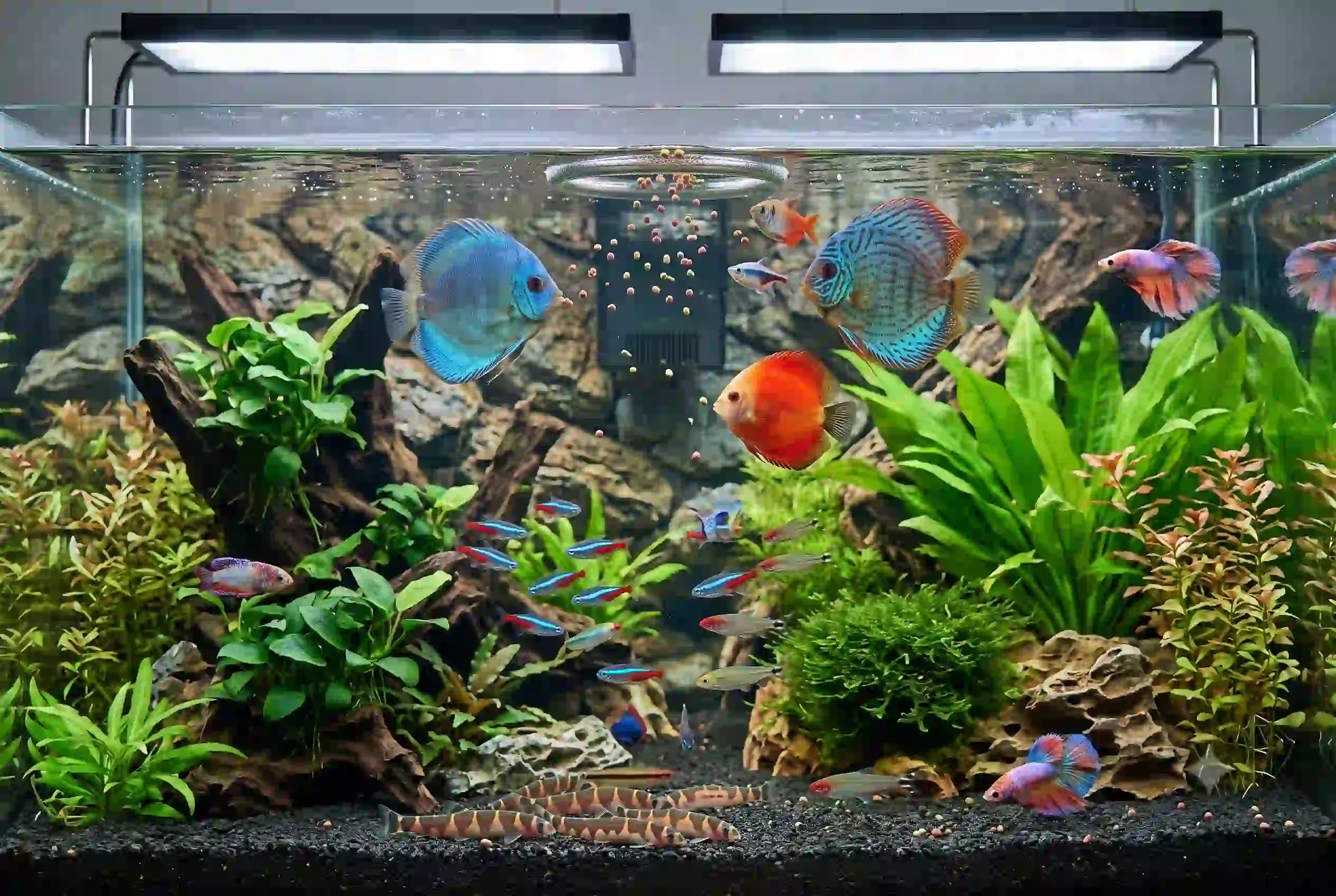

Proper nutrition is one of the most important factors in maintaining healthy fish. Whether you manage a home aquarium, decorative pond, or commercial aquatic setup, selecting the right fish food can significantly influence fish growth, coloration, activity levels, and overall wellbeing.
In the UAE, interest in aquariums and ornamental fish continues to grow among homeowners, businesses, hotels, and hobbyists. As a result, understanding fish nutrition has become increasingly important for those looking to create thriving aquatic environments.
This guide explores different types of fish food, essential nutritional requirements, feeding practices, and factors to consider when choosing products for various fish species.
Why Fish Nutrition Matters
Fish require balanced nutrition to support healthy growth, immune function, reproduction, and daily activity. Poor feeding practices can contribute to water quality issues, nutritional deficiencies, and long-term health problems.
Providing appropriate food helps:
- Support healthy growth
- Maintain vibrant coloration
- Strengthen immune systems
- Improve breeding success
- Promote natural behavior
- Enhance overall aquarium health
The nutritional needs of fish vary significantly depending on species, age, size, and environmental conditions.
Types of Fish Food
The market offers a wide range of fish food products designed for different species and feeding habits.
Flake Food
Flake food is one of the most common options for freshwater community aquariums. It is easy to use and suitable for many small tropical fish species.
Pellet Food
Pellets are available in floating and sinking varieties, making them suitable for fish that feed at different levels within the water column.
Freeze-Dried Food
Freeze-dried products often include insects, shrimp, and other protein-rich ingredients that provide dietary variety.
Frozen Food
Frozen foods can offer excellent nutritional value and are frequently used for carnivorous and specialty fish species.
Live Food
Some hobbyists choose live food options to encourage natural feeding behaviors and support species with specific dietary preferences.
Understanding Fish Dietary Categories
Not all fish consume the same types of food. Understanding feeding habits is essential when selecting appropriate nutrition.
Herbivorous Fish
Herbivores primarily consume plant-based materials and require diets rich in vegetable ingredients and algae.
Carnivorous Fish
Carnivorous species depend on protein-rich foods derived from animal sources.
Omnivorous Fish
Omnivores consume a combination of plant and animal-based foods, making them adaptable to a broader range of feeding options.
Matching food selection to dietary requirements helps support long-term health and vitality.
Key Ingredients Found in Quality Fish Food
High-quality fish food products typically contain a balanced combination of nutrients designed to meet species-specific requirements.
Common ingredients include:
- Fish meal
- Shrimp meal
- Algae
- Spirulina
- Plant proteins
- Essential vitamins
- Minerals
- Healthy fats
Reviewing ingredient lists can help aquarium owners make informed purchasing decisions.
How Often Should Fish Be Fed?
Feeding frequency depends on species, age, activity levels, and environmental conditions.
In general:
- Most adult aquarium fish can be fed once or twice daily
- Young fish may require more frequent feeding
- Portion sizes should be carefully controlled
- Uneaten food should be removed when necessary
Overfeeding is one of the most common mistakes made by aquarium owners and can negatively affect water quality.
Fish Food Manufacturing and Quality Standards
The production of fish food involves specialized manufacturing processes designed to ensure nutritional consistency and product stability. Reputable manufacturers invest heavily in research, quality control, and ingredient sourcing.
The broader food manufacturing sector follows similar principles of quality assurance and production management. Readers interested in food manufacturing may also explore our guide to food production companies in UAE, which examines how food producers support various consumer markets.
Quality standards remain important across both human and animal nutrition sectors.
Choosing Fish Food in the UAE
Aquarium hobbyists in the UAE have access to a wide range of imported and locally distributed fish food products. Specialty aquarium stores, pet retailers, and online marketplaces provide numerous options for freshwater and marine species.
When selecting fish food, consider:
- Species requirements
- Ingredient quality
- Brand reputation
- Storage recommendations
- Product freshness
- Nutritional composition
Choosing the right product can help maintain a healthier and more stable aquatic environment.
Common Feeding Mistakes to Avoid
Even experienced aquarium owners occasionally make feeding errors that affect fish health.
Common mistakes include:
- Overfeeding
- Using inappropriate food types
- Ignoring species-specific requirements
- Failing to vary diets
- Using expired products
- Poor storage practices
A thoughtful feeding routine helps prevent many common aquarium problems.
Fish Keeping as a Growing Hobby in the UAE
Aquariums continue to gain popularity in homes, offices, hotels, and commercial spaces throughout the UAE. Many hobbyists appreciate the visual appeal and relaxing atmosphere that aquatic displays provide.
The country’s growing interest in pets, ornamental fish, and specialized animal care products has contributed to increased demand for quality fish food and aquarium supplies.
Like other niche food sectors, aquatic nutrition continues to benefit from advancements in research and product development.
Learning More About Animal and Food Standards
Consumers interested in food quality, safety standards, and agricultural regulations can refer to the UAE Ministry of Climate Change and Environment, which provides information on various food, agriculture, and animal-related sectors.
Access to reliable information can help consumers make more informed decisions regarding animal care and nutrition.
Future Trends in Fish Nutrition
The fish food industry continues to evolve through advances in nutritional science, sustainable ingredient sourcing, and specialized dietary formulations.
Manufacturers are increasingly focusing on environmentally responsible ingredients, improved digestibility, and species-specific nutrition. These developments are expected to support healthier fish populations while reducing environmental impact.
As aquarium ownership continues to grow, demand for high-quality and scientifically formulated fish food products is likely to increase.
Important Insights
Choosing the right fish food is essential for maintaining healthy and thriving aquatic environments. From flakes and pellets to frozen and specialty diets, selecting products that match the nutritional needs of specific fish species can significantly improve long-term health outcomes.
By understanding dietary requirements, feeding practices, and product quality considerations, aquarium owners in the UAE can create more successful and enjoyable fish-keeping experiences while supporting the wellbeing of their aquatic companions.