
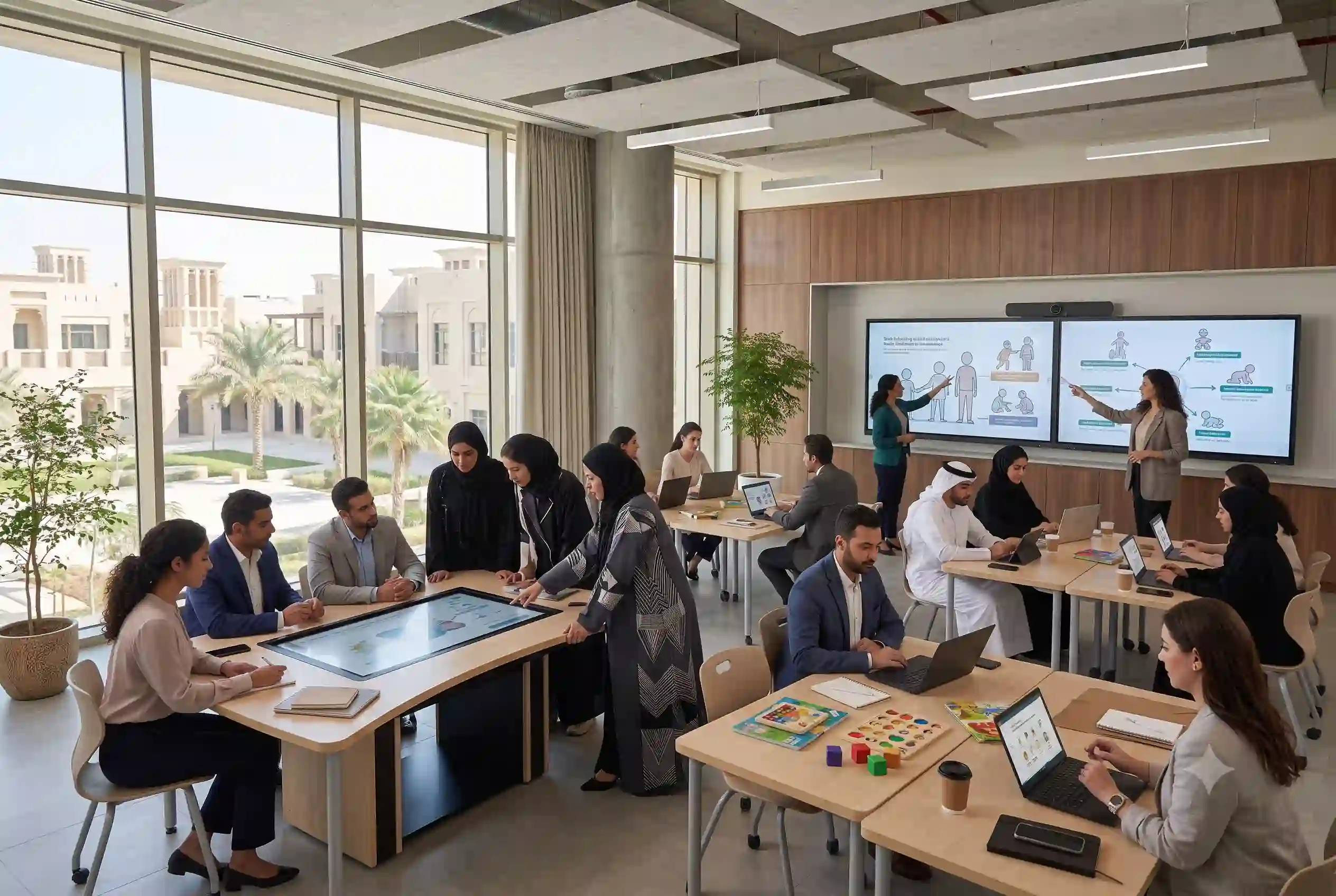

Early childhood education plays a crucial role in shaping the future of young learners. During the first years of life, children develop foundational cognitive, emotional, social, and communication skills that influence their long-term educational success. As awareness of the importance of early learning continues to grow, so does the demand for qualified educators who can provide nurturing and effective learning experiences.
For individuals interested in working with young children, early childhood education courses provide the knowledge, practical skills, and professional preparation needed to succeed in this rewarding field. Across the UAE, educational institutions, training centers, and professional development providers offer programs designed to help educators support children’s development during these critical formative years.
Whether pursuing a career in teaching, childcare, nursery management, or educational leadership, early childhood education remains one of the most impactful areas within the broader education sector.
What Are Early Childhood Education Courses?
Early childhood education courses are specialized programs that focus on child development, learning methodologies, classroom management, educational psychology, and age-appropriate teaching strategies.
These courses prepare educators to work with children during their early developmental stages, typically from infancy through the primary school years.
Programs may range from short professional development workshops to comprehensive diploma and degree-level qualifications.
Why Early Childhood Education Matters
The early years represent a period of rapid growth and learning. Children develop language abilities, social skills, emotional awareness, creativity, and foundational academic competencies that support future success.
Research consistently highlights the importance of quality early learning experiences in improving educational outcomes and long-term development.
Educational initiatives associated with organizations such as Nursary Allayah Sharjah Education Council reflect the growing emphasis placed on early childhood learning throughout the UAE.
Well-prepared educators play a central role in creating positive environments that encourage exploration, curiosity, and confidence.
Key Subjects Covered in Early Childhood Education Courses
Course content varies depending on the program and institution, but several core areas are commonly included.
Child Development
Students learn how children develop physically, emotionally, socially, cognitively, and linguistically during their formative years.
Learning Theories
Courses explore educational theories that help educators understand how children learn and interact with their environments.
Classroom Management
Future educators develop skills for creating positive, engaging, and supportive learning environments.
Curriculum Planning
Participants learn how to design age-appropriate learning activities that promote development across multiple areas.
Assessment and Observation
Understanding how to evaluate children’s progress helps educators provide personalized support and identify developmental needs.
Family and Community Engagement
Strong partnerships between educators and families contribute significantly to children’s success.
Career Opportunities After Completing Early Childhood Education Courses
Early childhood education qualifications can open doors to a variety of professional opportunities.
Potential career paths include:
- Nursery teacher
- Preschool educator
- Childcare specialist
- Early learning coordinator
- Curriculum developer
- Educational consultant
- Nursery administrator
- Learning support specialist
As educational demand continues growing throughout the UAE, qualified professionals remain highly valued within both public and private educational institutions.
Supporting National Educational Goals
The UAE continues prioritizing educational quality, innovation, and human capital development.
These priorities align closely with the objectives outlined in the UAE National Education Charter, which promotes educational excellence, lifelong learning, innovation, and student development.
By preparing skilled educators, early childhood education courses contribute directly to these national objectives and help strengthen the country’s educational foundation.
The Importance of Moral and Social Development
Early childhood educators do more than teach academic concepts. They also help children develop social skills, emotional intelligence, empathy, and positive behaviors.
This responsibility closely connects with the principles of moral education, which encourage values such as respect, honesty, responsibility, kindness, and citizenship.
Children who develop strong social and emotional skills during their early years are often better equipped to navigate future educational and life experiences.
The Role of Professional Training Institutes
Continuous professional development remains important for educators throughout their careers.
Organizations such as Strong Point Educational and Training Institute and similar training providers support educators by offering specialized courses, certifications, and skills development opportunities.
Professional learning helps educators remain informed about new research, emerging teaching methodologies, and evolving educational standards.
Technology in Early Childhood Education
Technology is becoming increasingly integrated into educational environments, including early learning settings.
Digital tools can support creativity, communication, collaboration, and interactive learning when used appropriately.
At the same time, educators must carefully balance technology use with hands-on learning, social interaction, and physical activity.
The expansion of distance education in Dubai has also influenced professional development opportunities, allowing educators to access training programs and certifications through flexible online learning formats.
Educational Administration and Nursery Management
Many professionals working in early childhood settings eventually move into administrative or leadership roles.
Managing educational institutions requires expertise in operations, budgeting, staffing, compliance, and resource planning.
As a result, many organizations implement accounting software for educational institutions and other management systems to support efficient administration and organizational growth.
Strong operational practices help educational leaders maintain high-quality learning environments while supporting sustainable institutional development.
Recognition and Excellence in Early Childhood Education
The UAE actively promotes excellence across all educational levels, including early childhood learning.
Recognition initiatives such as the Sharjah Award for Educational Excellence encourage high standards among educators and institutions while highlighting best practices that contribute to student success.
These programs help reinforce a culture of continuous improvement throughout the education sector.
The Future of Early Childhood Education in the UAE
The demand for qualified early childhood educators is expected to remain strong as educational institutions continue expanding and enhancing their programs.
Emerging research, innovative teaching approaches, and advances in educational technology will likely continue shaping how young children learn and develop.
Educators who invest in professional training and continuous learning will be well positioned to meet evolving educational needs and contribute positively to the future of learning.
Early childhood education courses provide an essential pathway for individuals seeking meaningful careers that make a lasting difference in children’s lives. By developing specialized knowledge, practical teaching skills, and a deep understanding of child development, educators can help build strong foundations that support lifelong success.
As the UAE continues investing in educational excellence, early childhood education will remain one of the most important areas for nurturing future generations and supporting long-term national development.