
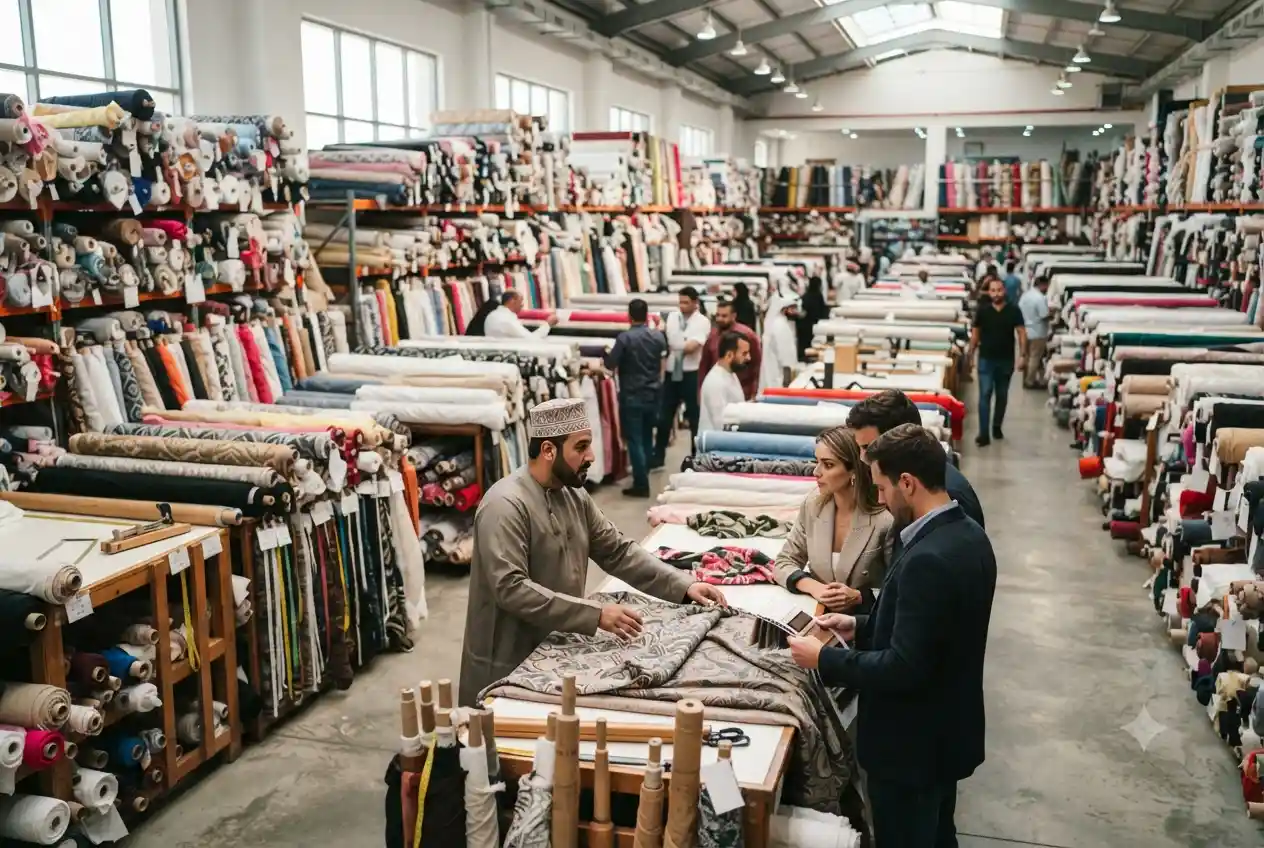

The Dubai textile wholesale market is one of the most established sourcing destinations in the Middle East, attracting retailers, fashion designers, garment manufacturers, boutique owners, and international traders. With a wide selection of fabrics, apparel materials, accessories, and tailoring supplies, Dubai has built a strong reputation as a regional hub for textile commerce.
Whether you’re launching a clothing brand, managing a fashion retail business, or purchasing fabrics in bulk, understanding how Dubai’s textile wholesale market operates can help you make informed purchasing decisions while building reliable supplier relationships.
Why Dubai Is a Leading Textile Trading Hub
Dubai’s strategic location connects suppliers and buyers from Asia, Europe, and Africa, making it an important gateway for international textile trade. Efficient logistics, modern infrastructure, and a business-friendly environment have contributed to the city’s strong wholesale ecosystem.
Businesses benefit from:
- Wide product availability
- International supplier networks
- Competitive wholesale pricing
- Reliable shipping connections
- Access to global fashion trends
- Bulk purchasing opportunities
Products Available in the Textile Wholesale Market
The market offers an extensive variety of textile products suitable for different industries.
- Cotton fabrics
- Silk materials
- Linen fabrics
- Polyester textiles
- Denim fabrics
- Embroidered materials
- Traditional fabrics
- Uniform fabrics
- Home furnishing textiles
- Tailoring accessories
Many wholesalers also supply custom fabrics for fashion brands and commercial manufacturers.
Who Buys from Dubai Textile Wholesale Markets?
Wholesale textile suppliers serve businesses of various sizes across multiple industries.
- Fashion retailers
- Boutique owners
- Garment manufacturers
- Fashion designers
- Interior designers
- Hospitality businesses
- Uniform suppliers
- Export companies
The availability of both standard and premium-quality fabrics makes Dubai attractive for businesses with different budgets and product requirements.
Tips for Buying Wholesale Textiles
Purchasing fabrics in bulk requires careful planning. Before placing large orders, businesses should evaluate product quality, supplier reliability, and pricing structures.
Helpful buying practices include:
- Request fabric samples
- Compare multiple suppliers
- Confirm minimum order quantities
- Review delivery timelines
- Understand payment terms
- Inspect product consistency
Building long-term supplier relationships often results in better pricing and priority access to new inventory.
How Digital Marketing Supports Textile Businesses
Wholesale businesses increasingly rely on digital marketing to reach retailers, fashion brands, and international buyers. A professional website, optimized product pages, and strong search visibility help suppliers generate qualified business enquiries.
Many textile companies collaborate with a digital marketing agency in Sharjah to improve their online presence through SEO, content marketing, and lead generation strategies.
Email Marketing for Wholesale Customer Retention
Email marketing is an effective way for textile wholesalers to inform existing customers about new collections, seasonal inventory, pricing updates, and promotional offers.
Companies seeking to automate customer communication may benefit from professional email marketing services UAE to strengthen client relationships and encourage repeat purchases.
Expanding Your Business Online
Today’s wholesale buyers often research suppliers online before making purchasing decisions. Maintaining a professional website with detailed product information, clear contact details, and informative content improves credibility and supports international business opportunities.
Businesses planning to expand their digital presence should also understand digital marketing cost in Dubai when budgeting for SEO, paid advertising, and content development.
Choosing Reliable Suppliers
Reliable suppliers demonstrate consistent product quality, transparent communication, and dependable delivery schedules. Before establishing long-term partnerships, businesses should verify supplier credentials, request references where appropriate, and review product samples carefully.
Maintaining strong supplier relationships contributes to stable inventory management and improved customer satisfaction.
Future Opportunities in Dubai’s Textile Industry
The textile industry continues evolving alongside changing consumer preferences, sustainable manufacturing practices, and growing eCommerce demand. Businesses that combine reliable sourcing with effective digital marketing are well-positioned to compete both locally and internationally.
Investing in strong supplier partnerships and modern online marketing strategies helps textile companies reach wider audiences while supporting sustainable business growth.
What to Remember
The Dubai textile wholesale market remains one of the region’s most important destinations for sourcing fabrics and textile products. With its extensive supplier network, competitive wholesale environment, and international trade connections, Dubai offers valuable opportunities for retailers, manufacturers, and fashion entrepreneurs. By combining careful supplier selection with effective digital marketing, businesses can strengthen their competitive position and expand into new markets across the UAE and beyond.
For additional information about trade and doing business in Dubai, businesses can visit the Dubai Chambers website for official resources and business support.