
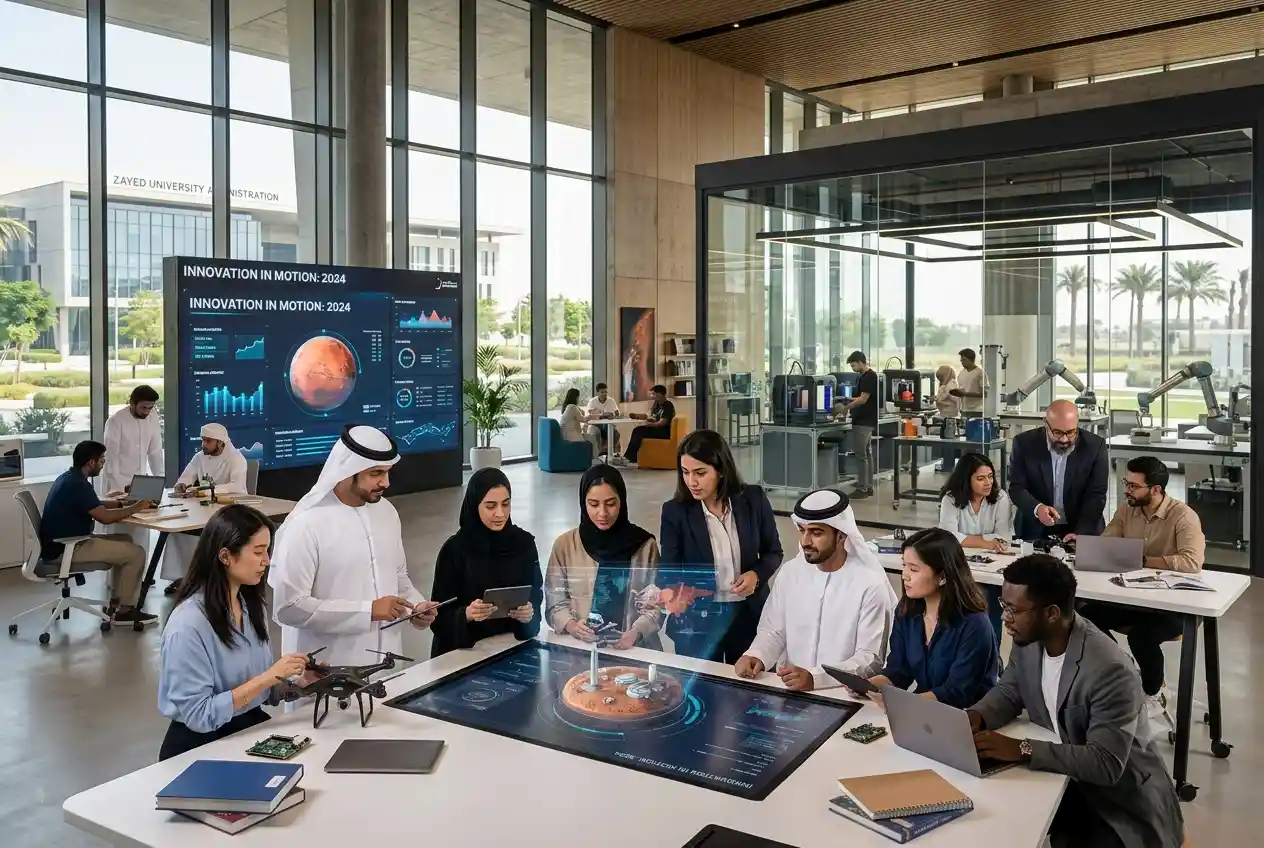

The education sector is evolving faster than ever before. Advances in technology, changing workforce demands, and growing expectations from students and parents are reshaping how learning is delivered. This transformation has given rise to what many educators and policymakers refer to as Big Education—a broad approach that combines innovation, technology, data, collaboration, and large-scale educational improvement to enhance learning outcomes.
In the UAE, educational transformation has become a national priority. Significant investments in schools, universities, vocational training, teacher development, and digital learning platforms are helping create a future-ready education system designed to meet the needs of a rapidly changing world.
What Is Big Education?
Big Education refers to comprehensive educational ecosystems that go beyond traditional classroom instruction. Rather than focusing solely on academic content, it emphasizes the development of knowledge, skills, creativity, critical thinking, digital literacy, leadership, and lifelong learning capabilities.
The concept recognizes that education today involves multiple interconnected elements, including schools, technology platforms, professional development institutions, vocational training centers, and community partnerships.
As educational systems become increasingly interconnected, institutions such as Emirates College for Advanced Education play an important role in strengthening teaching quality and supporting educational excellence throughout the UAE.
Why Big Education Matters in Today’s World
Students entering today’s workforce face challenges and opportunities that differ significantly from previous generations. Automation, artificial intelligence, digital transformation, and globalization are changing the skills required for future careers.
Educational systems must adapt accordingly.
Preparing Students for Future Careers
Modern employers increasingly value adaptability, communication, collaboration, and problem-solving abilities alongside technical knowledge.
Supporting Lifelong Learning
Learning no longer ends after graduation. Professionals are expected to continuously update their skills throughout their careers.
Encouraging Innovation
Educational environments that foster creativity and innovation help prepare students for emerging industries and evolving workplace requirements.
The Role of Technology in Big Education
Technology has become one of the most influential drivers of educational transformation. Digital tools allow schools and educational institutions to provide personalized learning experiences while improving accessibility and engagement.
Digital Learning Platforms
Modern learning systems enable students to access educational content, assignments, assessments, and performance insights from a centralized platform.
For example, Alef Education Login demonstrates how digital learning technologies can support personalized educational experiences and data-informed teaching practices across UAE schools.
Artificial Intelligence in Education
AI-powered learning systems can help identify student strengths, learning gaps, and opportunities for improvement, enabling more targeted educational support.
Data-Driven Decision Making
Educational analytics provide valuable insights that help teachers, administrators, and policymakers improve learning outcomes.
Big Education and Lifelong Learning
One of the key principles of Big Education is the recognition that learning should continue throughout an individual’s life. Educational institutions increasingly provide opportunities for learners to develop new skills at various stages of their careers.
Professional development programs, certifications, and continuing education initiatives support workforce adaptability and career growth.
Institutions such as Continuing Education Center Sharjah CEC contribute to this lifelong learning ecosystem by offering flexible educational opportunities for professionals and adult learners.
Vocational Education as Part of Big Education
A comprehensive educational ecosystem includes multiple pathways that accommodate different learning preferences, career goals, and industry needs.
Vocational and technical education play a critical role in preparing students for practical careers and addressing workforce requirements.
Organizations such as Abu Dhabi Vocational Education & Training Institute ADVETI help bridge the gap between education and employment by providing career-focused technical training.
Characteristics of Big Education Systems
Successful educational ecosystems often share several important characteristics.
Student-Centered Learning
Educational experiences are designed around individual learner needs, strengths, and goals.
Collaboration and Partnerships
Schools, universities, businesses, government organizations, and communities work together to support educational success.
Flexibility and Accessibility
Learners have access to multiple educational pathways, learning formats, and development opportunities.
Continuous Improvement
Educational institutions regularly evaluate outcomes and implement improvements based on research and evidence.
How Big Education Supports Student Development
Modern educational approaches focus on developing the whole student rather than concentrating exclusively on academic performance.
Critical Thinking
Students learn how to analyze information, evaluate evidence, and solve complex problems.
Communication Skills
Strong communication abilities help students succeed academically, professionally, and socially.
Leadership Development
Educational programs increasingly encourage students to take initiative, collaborate effectively, and contribute to their communities.
Digital Literacy
Technology skills have become essential for success in higher education and modern workplaces.
These principles are increasingly reflected in educational institutions throughout the UAE, including schools such as Dubai Modern Education School, where innovation and student-centered learning continue shaping educational experiences.
The UAE’s Vision for Educational Excellence
The UAE has positioned education as a cornerstone of national development. Investments in digital infrastructure, teacher training, research, innovation, and workforce development demonstrate a long-term commitment to educational excellence.
Government initiatives continue supporting the integration of technology, entrepreneurship, innovation, and future-focused skills into educational systems.
This commitment aligns closely with the principles of Big Education, which emphasize holistic development, lifelong learning, and continuous improvement.
Challenges and Opportunities
While educational transformation offers significant opportunities, it also presents challenges.
- Ensuring equitable access to technology
- Supporting teacher training and professional development
- Maintaining educational quality during rapid change
- Preparing students for emerging industries
- Balancing technology with human-centered learning
Addressing these challenges requires collaboration between educators, institutions, policymakers, families, and industry stakeholders.
The Future of Big Education
As technology continues evolving, educational systems will likely become even more personalized, flexible, and interconnected. Artificial intelligence, immersive learning technologies, adaptive educational platforms, and advanced analytics are expected to play increasingly important roles.
At the same time, core educational values such as curiosity, creativity, critical thinking, and human connection will remain essential.
For additional insights into global educational transformation and future learning trends, the OECD education resources provide valuable research and policy perspectives.
Conclusion
Big Education represents a comprehensive approach to learning that extends beyond traditional academic instruction. By integrating technology, lifelong learning, vocational pathways, professional development, and student-centered educational practices, it creates more effective and adaptable learning ecosystems.
As the UAE continues investing in educational innovation and workforce development, the principles of Big Education will remain central to preparing learners for future opportunities, professional success, and lifelong growth.