
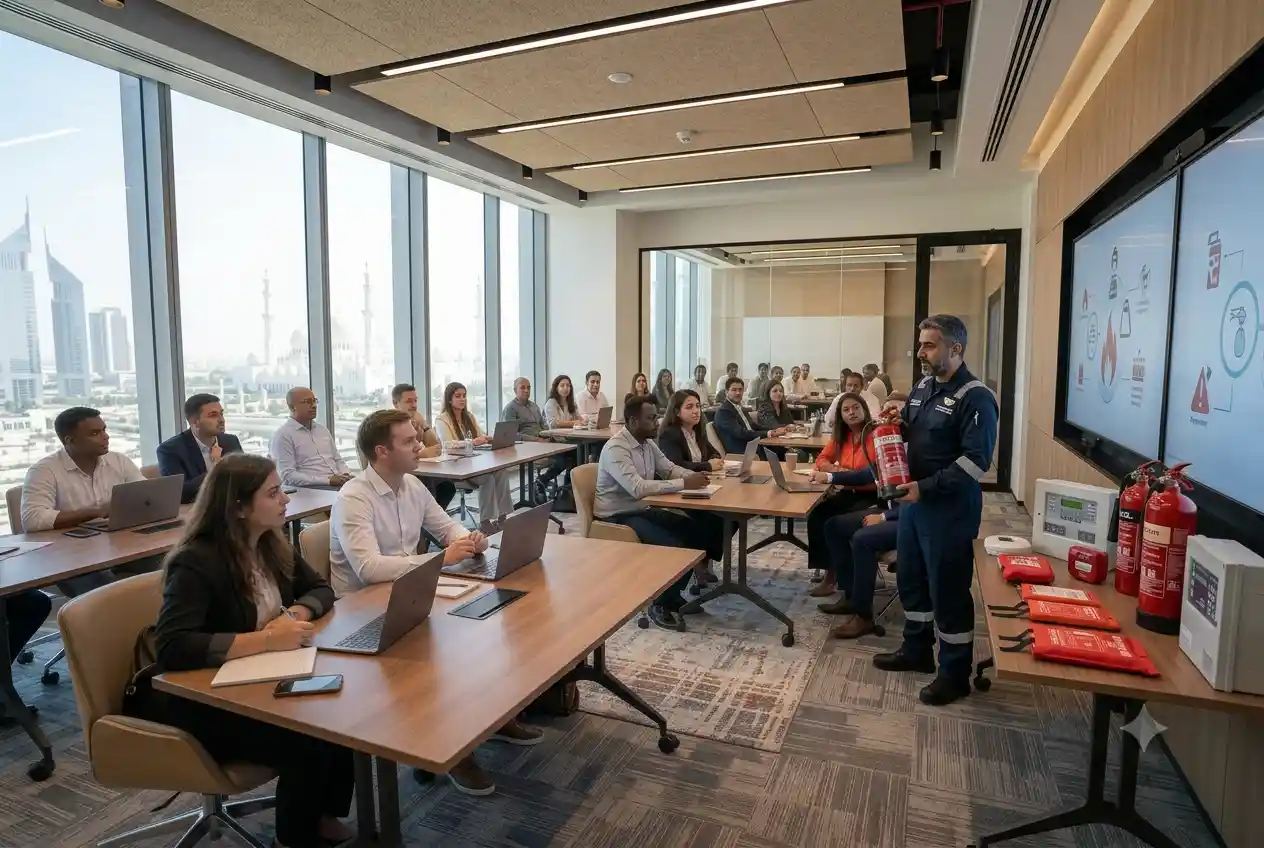

Workplace safety is a critical priority for organizations operating across the UAE. From commercial offices and industrial facilities to hospitality venues and residential developments, employers are increasingly focused on creating safe environments for employees, visitors, and customers. As a result, fire safety education and compliance training have become essential components of modern workforce development.
Among the organizations frequently searched in this field is Al Salama Fire Safety Training LLC, a name associated with fire safety awareness, emergency preparedness, and workplace safety education. Training programs focused on fire prevention and emergency response help organizations strengthen safety standards while supporting regulatory compliance.
The Importance of Fire Safety Training
Fire incidents can have serious consequences for people, property, and business operations. Effective safety training helps individuals understand potential risks, respond appropriately during emergencies, and contribute to safer working environments.
Organizations that prioritize fire safety education often improve preparedness while reducing workplace risks. Training also helps reinforce a culture of responsibility and awareness among employees.
Risk Awareness
Employees learn how to recognize common fire hazards and understand preventive measures that reduce risk.
Emergency Response Preparedness
Training programs help participants understand appropriate actions during emergency situations.
Workplace Safety Culture
Regular safety education encourages proactive thinking and responsible workplace behavior.
Why Workplace Safety Matters in the UAE
The UAE continues to experience rapid growth across sectors such as construction, manufacturing, logistics, healthcare, hospitality, and technology. With expanding workplaces and large-scale developments, maintaining high safety standards remains a key priority.
Workplace safety programs contribute to employee well-being while helping organizations meet operational and regulatory requirements.
Fire safety training forms one part of a broader approach to workforce education that includes professional development, technical certifications, and compliance-related learning.
Common Topics Covered in Fire Safety Training
Safety-focused training programs often cover a variety of workplace protection topics.
Fire Prevention Principles
Participants learn about common causes of workplace fires and practical prevention strategies.
Emergency Procedures
Understanding emergency protocols can help improve response times and reduce confusion during incidents.
Evacuation Awareness
Employees are typically introduced to evacuation procedures and emergency communication processes.
Safety Responsibilities
Workforce safety programs emphasize the role each employee plays in maintaining a safe environment.
The Role of Professional Training in Safety Compliance
Many organizations integrate safety training into their broader workforce development strategies. A well-trained workforce not only contributes to operational efficiency but also supports compliance objectives.
Companies often combine safety education with other professional development initiatives to create more capable and informed teams.
For example, employees may pursue technical certifications through Arabian Infotech Training Institute, management-focused learning through British Training Institute, or workforce awareness programs such as Tawjeeh Training.
Benefits of Fire Safety Training for Organizations
Organizations that invest in safety education can benefit in several ways.
- Improved workplace awareness
- Enhanced emergency preparedness
- Stronger safety culture
- Reduced operational risks
- Support for compliance objectives
- Greater employee confidence
Safety training is often viewed as a long-term investment that helps protect both people and business operations.
Safety Education and Professional Development
Workplace safety should not be viewed as a standalone activity. Many organizations integrate safety programs into broader professional development strategies that encourage continuous learning.
Employees often benefit from combining compliance-related education with career-focused skills development. Learners may also explore institutions such as Al Noor Training Centre and Dynamic Advanced Training to strengthen their professional capabilities alongside workplace safety knowledge.
Creating a Strong Safety Culture
A successful safety culture extends beyond policies and procedures. It requires active participation from management and employees alike.
Organizations that regularly provide safety education, conduct awareness sessions, and encourage responsible workplace behavior are often better prepared to address potential risks before they become serious incidents.
Consistent training helps ensure that safety remains a shared responsibility across all levels of an organization.
The Future of Workplace Safety Training in the UAE
As technology continues to influence workforce education, safety training is becoming increasingly sophisticated. Digital learning platforms, virtual simulations, and interactive training methods are helping organizations deliver more engaging educational experiences.
The UAE’s continued focus on workplace excellence and regulatory compliance is expected to drive further investment in professional safety education across industries.
For official workplace health and safety information, organizations and professionals can refer to resources provided by the Ministry of Human Resources and Emiratisation (MOHRE).
Conclusion
Al Salama Fire Safety Training LLC reflects the growing importance of workplace safety education in the UAE. Fire safety awareness, emergency preparedness, and compliance-focused training help organizations build safer working environments while supporting operational excellence. As businesses continue to prioritize employee well-being and risk management, professional safety training will remain an essential component of workforce development and organizational success.