
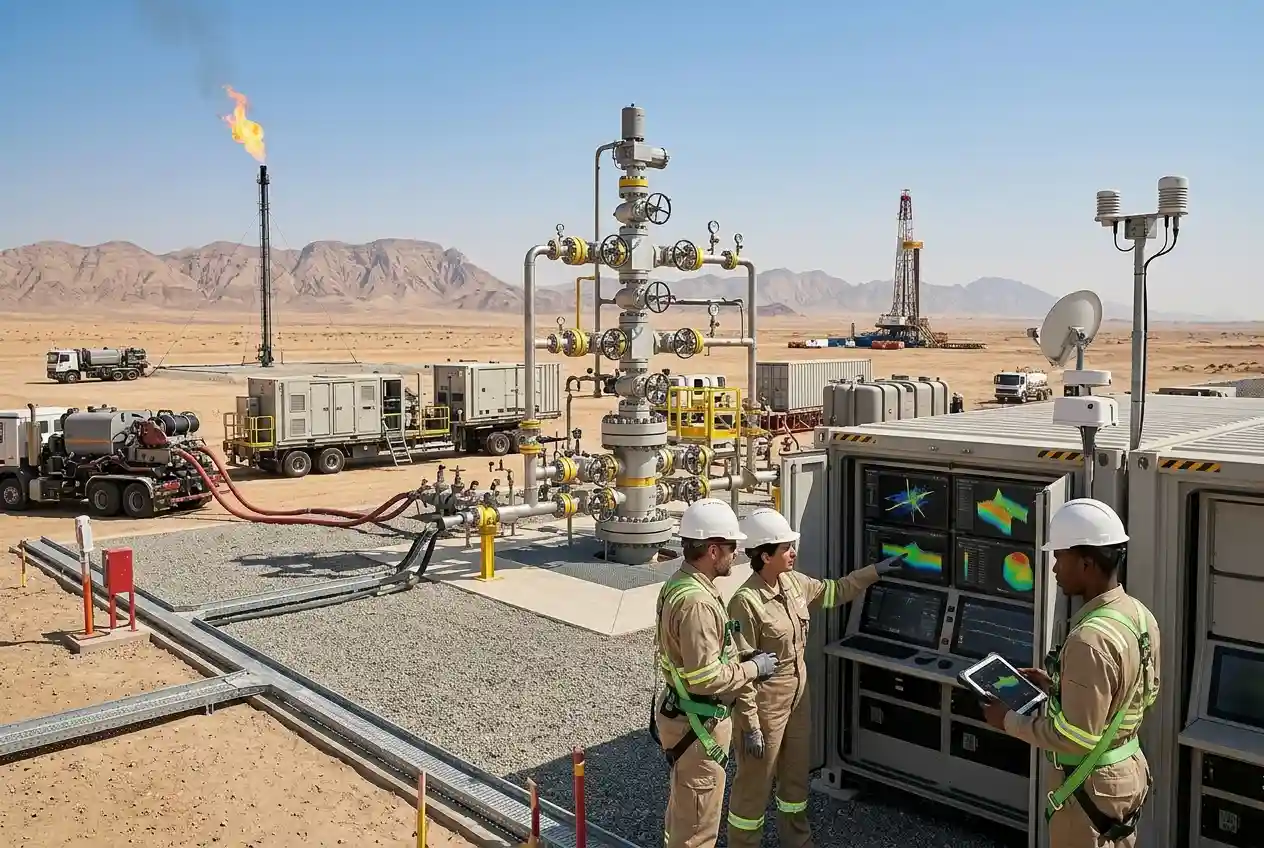

The global energy industry relies on advanced engineering solutions to maximize production efficiency, improve operational safety, and enhance long-term asset performance. One of the most important stages in oil and gas development is well completion, a process that prepares a drilled well for production. Within this specialized field, terms such as Viking Completion Technology are often associated with completion systems, downhole tools, and technologies designed to optimize well performance.
As energy producers face increasing pressure to improve efficiency while managing costs and environmental considerations, completion technologies continue to evolve. Modern solutions incorporate advanced engineering, digital monitoring capabilities, and data-driven decision-making to support better operational outcomes throughout a well’s lifecycle.
What Is Completion Technology?
Completion technology refers to the equipment, systems, and engineering processes used to prepare an oil or gas well for production after drilling has been completed.
The objective of well completion is to create a safe and efficient pathway for hydrocarbons to flow from the reservoir to the surface while maintaining well integrity and operational reliability.
Completion systems are designed to address factors such as reservoir conditions, production requirements, pressure management, and long-term performance optimization.
The Importance of Well Completion in Oil and Gas Operations
Well completion plays a critical role in determining the productivity and profitability of an energy asset. Even a successfully drilled well may not achieve optimal performance without an effective completion strategy.
Completion technologies help operators:
- Improve production efficiency
- Enhance reservoir access
- Maintain well integrity
- Reduce operational risks
- Support long-term asset performance
- Optimize production economics
As a result, completion engineering remains a vital component of modern oil and gas development.
Key Components of Completion Systems
Completion operations typically involve multiple specialized technologies working together to support safe and efficient production.
Downhole Equipment
Downhole tools are installed within the wellbore to manage production flow, isolate zones, and support operational control.
Packers and Isolation Systems
Packers create seals within the well to separate production zones and maintain pressure integrity.
Completion Tubing
Tubing provides a controlled pathway for hydrocarbons to flow from the reservoir to the surface production facilities.
Safety Systems
Safety equipment helps operators maintain control over production activities and respond to changing operating conditions.
How Technology Is Transforming Well Completion Operations
The energy industry has increasingly embraced digital technologies to improve operational efficiency and decision-making. Completion systems are now supported by advanced monitoring tools, automation technologies, and analytical platforms.
Key innovations include:
- Real-time monitoring systems
- Digital well analytics
- Predictive maintenance tools
- Remote operational support
- Automated production optimization
- Integrated asset management platforms
These technologies provide operators with greater visibility into well performance and help identify opportunities for improvement.
The Role of Data Analytics in Completion Technology
Modern completion strategies increasingly depend on data-driven decision-making. Operators collect large volumes of information throughout drilling, completion, and production phases.
To manage this information effectively, many organizations utilize big data technology solutions that can process complex datasets and generate actionable insights.
Advanced analytics allows engineers to evaluate well performance, predict maintenance requirements, and optimize production strategies based on real-world operating conditions.
Completion Technology in the UAE Energy Sector
The UAE remains one of the world’s most important energy-producing regions, with significant investments in upstream oil and gas development. Advanced completion technologies support the country’s efforts to maximize production efficiency while maintaining high operational standards.
Energy service providers and industrial technology companies operating within sectors similar to those discussed in SMI Oilfield Technology and Products FZE contribute to the broader ecosystem supporting oilfield operations throughout the region.
As exploration and production activities continue evolving, demand for innovative completion solutions is expected to remain strong.
Challenges Facing Modern Completion Operations
Oil and gas operators must address a variety of technical and operational challenges when designing completion systems.
Common considerations include:
- Reservoir complexity
- Pressure management requirements
- Environmental conditions
- Production optimization objectives
- Equipment reliability
- Cost management
Successfully addressing these factors often requires a combination of engineering expertise, advanced technologies, and data-driven planning.
Procurement and Cost Optimization in Energy Projects
Large-scale energy projects involve significant procurement activities, including the acquisition of specialized equipment, engineering services, and operational support solutions.
Many organizations use spend analytics technology to gain visibility into procurement activities, improve supplier management, and identify opportunities for cost optimization.
This analytical approach helps operators balance technical performance requirements with financial objectives.
Technology Skills Supporting the Energy Industry
The increasing integration of digital systems into oil and gas operations has created demand for professionals with both engineering and technology expertise.
Areas of growing importance include:
- Industrial data analytics
- Automation systems
- Cloud-based operational platforms
- Cybersecurity for industrial networks
- Digital asset management
- Predictive maintenance technologies
Many professionals strengthen these capabilities through information technology courses in Dubai, helping bridge the gap between traditional engineering disciplines and emerging digital technologies.
The Future of Completion Technology
The future of completion technology will likely be shaped by automation, advanced analytics, artificial intelligence, and real-time monitoring capabilities. Energy companies increasingly seek solutions that improve operational efficiency while reducing costs and environmental impact.
Emerging trends influencing completion operations include:
- Smart completion systems
- AI-assisted production optimization
- Digital twins for asset management
- Advanced sensor technologies
- Remote operations support
- Integrated production analytics
These innovations are expected to improve operational visibility and support more informed decision-making throughout the production lifecycle.
Why Completion Technology Remains Critical to Energy Production
Completion systems serve as a crucial link between drilling activities and long-term production performance. The effectiveness of completion strategies directly influences productivity, operational reliability, and asset value.
As the energy sector continues adopting digital technologies and advanced engineering solutions, completion technologies will remain essential for maximizing resource recovery and improving operational outcomes.
Whether through enhanced downhole equipment, real-time monitoring capabilities, or data-driven optimization strategies, modern completion technologies help operators achieve greater efficiency in increasingly complex production environments.
Industry professionals interested in completion engineering, production technologies, and upstream energy innovation can explore technical resources provided by the Society of Petroleum Engineers (SPE), one of the world’s leading organizations dedicated to oil and gas knowledge sharing and professional development.