
Furniture is no longer viewed simply as a functional necessity. Today, homeowners and renters alike seek pieces that reflect their personalities, support their daily routines, and contribute to a comfortable living environment. This growing focus has led to the popularity of lifestyle furniture, a concept that combines aesthetics, comfort, functionality, and personal expression.
Whether furnishing a new apartment in Dubai, upgrading a family villa in Abu Dhabi, or redesigning a compact urban space, choosing the right furniture can significantly influence how a home looks and feels.
Lifestyle furniture focuses on creating spaces that align with the way people actually live. Rather than selecting furniture based solely on trends, homeowners prioritize pieces that support work, relaxation, entertainment, and everyday comfort.
What Is Lifestyle Furniture?
Lifestyle furniture refers to furniture selected and designed around specific lifestyles, living habits, and personal preferences. Instead of treating furniture as standalone items, this approach considers how each piece contributes to the overall living experience.
Modern lifestyle furniture often emphasizes:
- Comfort and practicality
- Visual appeal
- Space efficiency
- Durability
- Multi-functional design
- Personal style expression
The goal is to create interiors that support both functionality and well-being.
Why Lifestyle Furniture Is Becoming More Popular
The way people use their homes has changed significantly over the past decade. Remote work, online learning, home entertainment, and wellness-focused living have increased demand for furniture that serves multiple purposes.
Consumers increasingly seek furniture that adapts to changing needs rather than following short-lived design trends.
This shift aligns with broader discussions around modern lifestyle choices, where comfort, efficiency, and quality of life play an important role in purchasing decisions.
Types of Lifestyle Furniture
Living Room Furniture
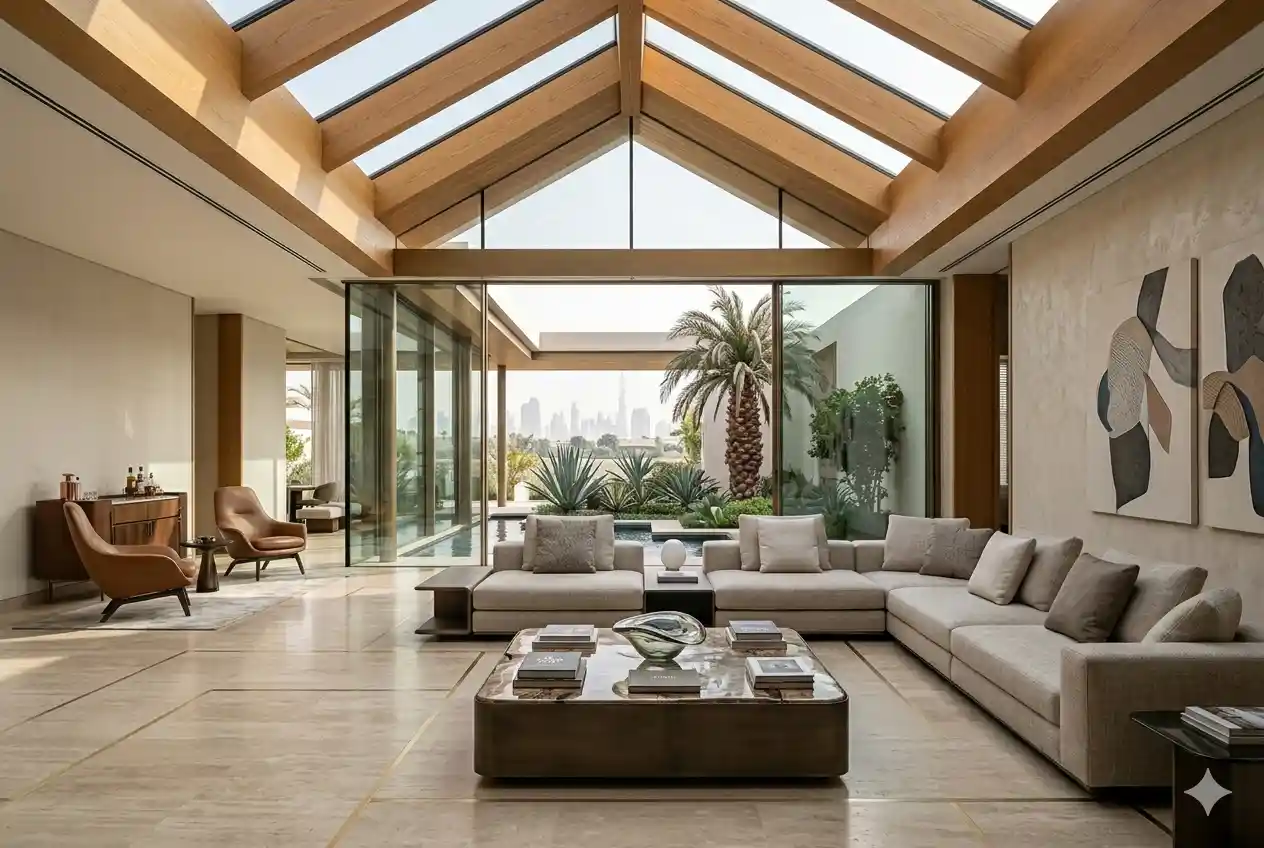
The living room often serves as the center of daily life. Sofas, coffee tables, media units, and accent chairs should balance style with comfort.
Popular lifestyle furniture trends include modular sofas, minimalist entertainment units, and flexible seating arrangements that accommodate both family gatherings and individual relaxation.
Bedroom Furniture
Bedrooms are increasingly designed as personal wellness spaces. Furniture choices often focus on comfort, organization, and relaxation.
Common lifestyle furniture pieces include:
- Upholstered beds
- Storage beds
- Nightstands
- Wardrobes
- Dressing tables
Dining Furniture
Dining spaces continue to evolve as multifunctional areas used for meals, work, and social gatherings. Expandable tables and versatile seating solutions are particularly popular in modern homes.
Home Office Furniture
The rise of remote work has increased demand for ergonomic desks, supportive chairs, and efficient storage solutions.
Furniture that promotes comfort and productivity can contribute to better work-life balance and support healthier daily habits.
Factors to Consider When Choosing Lifestyle Furniture
Available Space
Before purchasing furniture, it is important to evaluate room dimensions and layout. Oversized pieces can make a space feel crowded, while undersized furniture may create an unbalanced appearance.
Accurate measurements help ensure furniture fits comfortably within the intended area.
Functionality
Each piece should serve a practical purpose. Multi-functional furniture can be particularly valuable in apartments and smaller homes where maximizing space is essential.
Examples include:
- Sofa beds
- Storage ottomans
- Extendable dining tables
- Convertible workstations
Material Quality
High-quality materials contribute to durability and long-term value. Popular options include solid wood, engineered wood, metal, glass, and premium upholstery fabrics.
Consumers should consider maintenance requirements alongside appearance when selecting materials.
Comfort
Comfort remains one of the most important factors in furniture selection. Sofas, chairs, beds, and workstations should support everyday use without sacrificing ergonomics.
Lifestyle Furniture and Interior Design
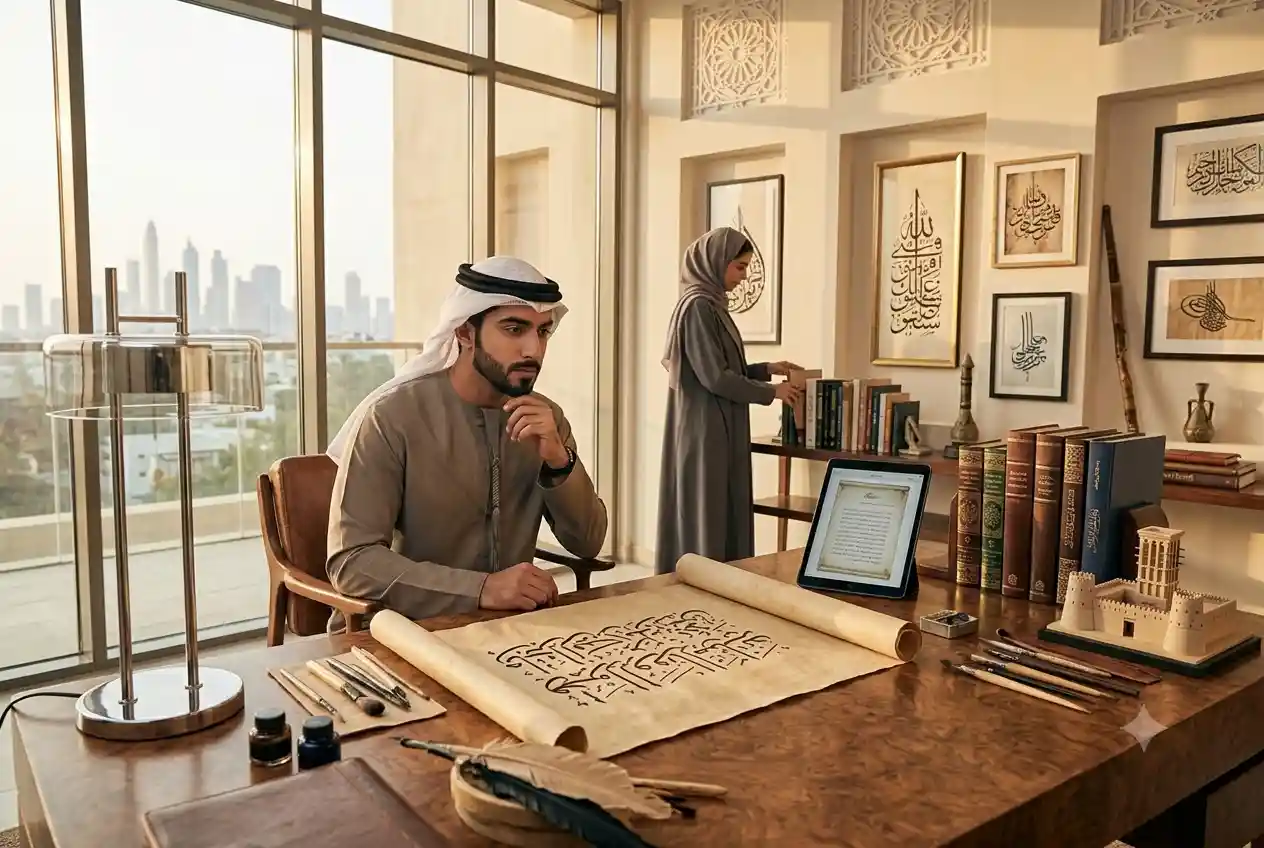
Furniture plays a central role in shaping the visual identity of a home. Modern interior design often integrates furniture as part of a broader lifestyle concept rather than treating it as a separate decorative element.
Popular design styles include:
- Modern minimalism
- Contemporary luxury
- Scandinavian design
- Industrial interiors
- Classic elegance
- Coastal-inspired spaces
Each style reflects different lifestyle preferences and practical requirements.
The Role of Lifestyle Photography in Furniture Marketing
Furniture brands frequently use professional imagery to help customers visualize products within realistic home environments.
Instead of displaying a chair or sofa in isolation, brands showcase complete living spaces through lifestyle product photography.
This marketing approach helps customers better understand scale, design compatibility, and overall aesthetic appeal.
Many furniture retailers also collaborate with specialists in lifestyle photography Dubai services to create high-quality visual content for catalogs, websites, and advertising campaigns.
Furniture and Well-Being
The furniture people use every day can influence physical comfort, productivity, and overall quality of life.
Ergonomic seating, supportive mattresses, and thoughtfully designed living spaces contribute to healthier daily routines.
Creating a comfortable environment can support wellness goals and complement efforts to reduce risks associated with issues such as lifestyle diseases.
Sustainability in Furniture Design
Sustainability has become a growing consideration for consumers. Many buyers now prioritize furniture manufactured using responsible sourcing practices and environmentally conscious materials.
Sustainable furniture trends include:
- Recycled materials
- Renewable wood sources
- Long-lasting construction
- Low-emission manufacturing processes
- Timeless design concepts
These factors contribute to both environmental responsibility and long-term value.
Furniture Trends in the UAE
The UAE furniture market reflects a blend of international design influences and local lifestyle preferences. Modern consumers often seek furniture that combines luxury aesthetics with everyday practicality.
Open-plan living spaces, smart home integration, and multifunctional furniture solutions continue to shape purchasing decisions throughout the region.
The Dubai World Trade Centre regularly hosts furniture and interior design exhibitions that showcase emerging trends, innovations, and design concepts within the industry.
Conclusion
Lifestyle furniture goes beyond appearance. It focuses on creating living spaces that align with individual needs, routines, and personal preferences.
By prioritizing comfort, functionality, durability, and design, homeowners can create environments that enhance both daily living and long-term satisfaction.
Whether furnishing a small apartment or a large family home, choosing the right lifestyle furniture helps transform a space into a place that truly supports modern living.