
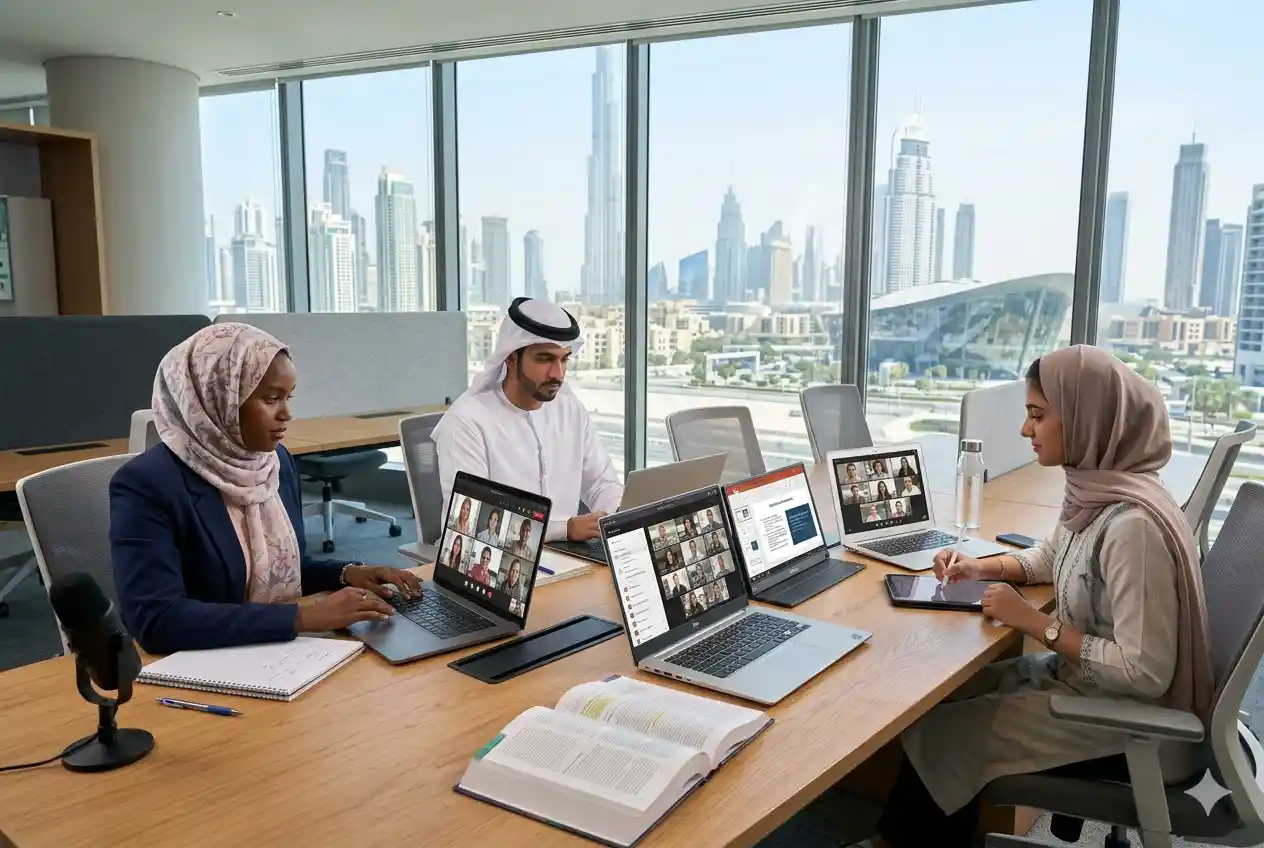

Distance education in UAE has transformed the way students, professionals, and lifelong learners access academic opportunities. Advances in digital learning technologies, flexible study models, and increased demand for accessible education have made online and remote learning an important part of the country’s educational landscape.
Whether someone is pursuing higher education, professional development, career advancement, or additional qualifications, distance education provides a practical alternative to traditional classroom-based learning. As educational institutions continue to expand their digital offerings, learners across the UAE now have more options than ever before.
The growth of remote learning has also increased awareness of student support services, including guidance from an educational psychologist in Dubai, helping learners overcome academic and developmental challenges while studying in flexible environments.
What Is Distance Education?
Distance education refers to a learning model where students and instructors are separated by location and communicate through digital platforms, virtual classrooms, learning management systems, and online resources.
Unlike traditional education, distance learning allows students to complete coursework from virtually anywhere while maintaining access to lectures, assignments, assessments, and academic support.
Common forms of distance education include:
- Fully online degree programs
- Hybrid or blended learning models
- Professional certification courses
- Executive education programs
- Vocational and skills-based training
- Continuing education courses
This flexibility makes distance education particularly attractive for working professionals, entrepreneurs, parents, and students seeking greater control over their study schedules.
Why Distance Education Is Growing in the UAE
The UAE has established itself as a regional hub for education, innovation, and digital transformation. As technology adoption continues to expand across industries, educational institutions have increasingly embraced remote learning solutions.
Several factors contribute to the growth of distance education in UAE:
- Flexible study schedules
- Access to international programs
- Career-focused learning opportunities
- Reduced commuting requirements
- Digital infrastructure improvements
- Professional upskilling demand
For many learners, distance education provides an opportunity to balance academic goals with employment, family responsibilities, and personal commitments.
Benefits of Distance Learning for Students
One of the biggest advantages of distance education is flexibility. Students can often learn at their own pace while accessing course materials whenever it suits their schedule.
Additional benefits include:
Greater Accessibility
Students can access educational opportunities regardless of their location within the UAE or abroad.
Career Development Opportunities
Professionals can pursue qualifications without leaving their current employment.
Self-Paced Learning
Many programs allow students to revisit lectures and learning materials multiple times, improving knowledge retention.
Technology Skills Development
Online learning naturally strengthens digital communication, research, and collaboration skills that are increasingly valuable in modern workplaces.
Challenges Students Should Consider
While distance education offers many benefits, it also requires discipline, organization, and self-motivation.
Common challenges may include:
- Time management difficulties
- Limited face-to-face interaction
- Maintaining study motivation
- Balancing work and education
- Managing deadlines independently
Students who struggle with concentration, learning differences, or academic organization may benefit from additional educational support services. Professional guidance from specialists can help learners develop effective study strategies and improve academic performance.
Accreditation and Recognition Considerations
Before enrolling in any distance education program, students should carefully evaluate accreditation and recognition requirements.
Important considerations include:
- Institutional accreditation status
- Program recognition within the UAE
- Employer acceptance of qualifications
- International recognition opportunities
- Transferability of academic credits
Understanding these factors can help students make informed decisions about their educational investments and future career plans.
Distance Education and Higher Education in the UAE
Higher education institutions across the UAE continue to expand online learning options to meet changing student expectations. Universities and educational providers increasingly integrate virtual learning platforms, digital assessments, and online student support systems.
Students researching educational pathways often explore policies, regulations, and academic frameworks associated with the Ministry of Higher Education & Scientific Research and other educational authorities responsible for supporting educational development across the country.
As digital education evolves, institutions are continuously adapting programs to ensure quality learning experiences while maintaining academic standards.
The Role of Educational Institutions in Online Learning
Many established education groups have invested significantly in technology-enhanced learning environments.
Organizations featured throughout the UAE education sector, including Fortes Education, Bloom Education, and LEAMS Education, contribute to broader discussions about educational innovation, student engagement, and learning excellence.
Although each institution operates differently, the overall trend reflects a growing commitment to flexible and technology-driven educational models.
Professional Development Through Distance Learning
Distance education is not limited to traditional academic degrees. Professionals across industries use online learning to acquire new skills, earn certifications, and improve career prospects.
Popular areas of online professional development include:
- Business and management
- Information technology
- Digital marketing
- Project management
- Education and training
- Healthcare administration
- Finance and accounting
This flexibility allows individuals to remain competitive in rapidly changing job markets while continuing their professional responsibilities.
Choosing the Right Distance Education Program
Selecting the right program requires careful research and planning.
Students should evaluate:
- Course structure and flexibility
- Accreditation status
- Faculty expertise
- Student support services
- Technology requirements
- Assessment methods
- Career outcomes
Comparing multiple options can help learners identify programs that align with their educational goals, career aspirations, and preferred learning styles.
The Future of Distance Education in UAE
The future of distance education in UAE appears increasingly promising. Continued investment in digital infrastructure, educational technology, and innovative teaching methods is expected to further expand learning opportunities.
As educational institutions embrace flexible delivery models and students seek greater accessibility, online learning will likely remain an important component of the UAE’s educational ecosystem.
For learners looking to advance their qualifications, develop new skills, or pursue higher education goals, distance education offers a practical and increasingly sophisticated pathway to success.
Additional information regarding educational policies and academic frameworks can be found through the UAE Ministry of Education, which provides resources related to education initiatives and learning opportunities across the country.