
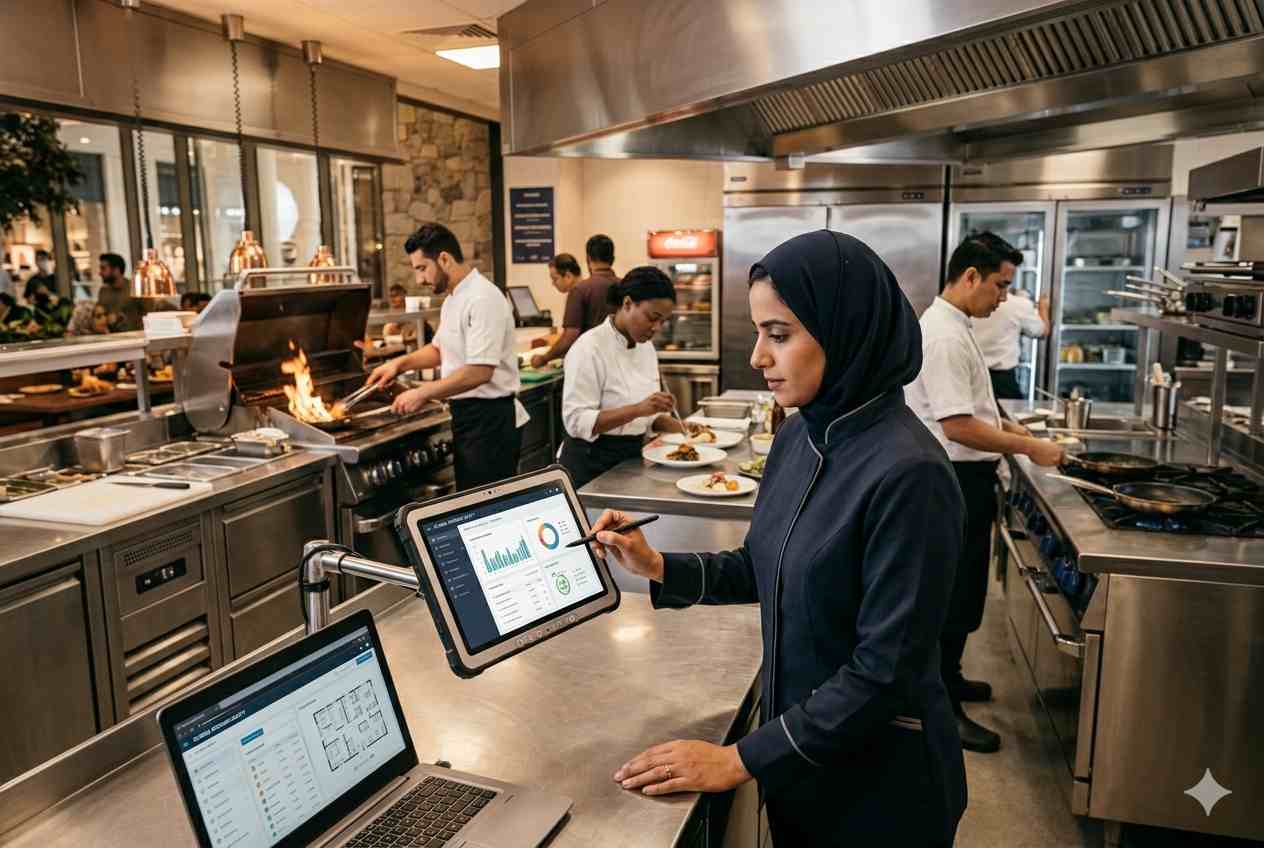

The UAE has developed one of the region’s most advanced food safety and restaurant compliance ecosystems. As the food and hospitality industry continues to expand across Dubai, Abu Dhabi, Sharjah, and other emirates, digital monitoring systems have become increasingly important for restaurants, food suppliers, supermarkets, cloud kitchens, and large food courts.
One of the systems frequently searched by restaurant operators and food businesses is the food watch login portal. This platform plays an important role in food safety management, inspection tracking, employee training records, and operational compliance for registered food establishments.
For restaurant owners, food managers, and hospitality professionals in the UAE, understanding how the Food Watch system works can help improve compliance processes and day-to-day operations.
What Is the Food Watch System?
The Food Watch system is a digital food safety platform associated with food control and restaurant monitoring processes in Dubai. It helps authorities and licensed food businesses manage food safety records, inspection requirements, supply chain tracking, and operational standards more efficiently.
Restaurants, cafeterias, food kiosks, supermarkets, and operators inside busy food court environments often rely on centralized digital systems to maintain compliance and improve food handling standards.
The platform is especially relevant for businesses operating in competitive dining markets where customer trust, hygiene standards, and operational transparency are essential.
Why Food Businesses Use Food Watch Login
The growing food service industry in the UAE includes everything from fine dining restaurants to quick-service chains and modern fast food restaurants. Managing food safety manually across multiple locations can become difficult, especially in high-volume commercial areas.
The Food Watch login system simplifies several operational tasks, including:
- Accessing inspection reports
- Updating food business records
- Monitoring employee food safety training
- Tracking food handling procedures
- Managing supplier information
- Supporting digital compliance workflows
Many restaurant operators use the system as part of broader operational management strategies that combine hygiene monitoring, licensing, inventory handling, and customer safety standards.
Food Safety Standards in the UAE
The UAE food industry is highly regulated compared to many regional markets. Authorities regularly inspect restaurants, supermarkets, hotel kitchens, and catering facilities to ensure food quality and consumer protection.
Businesses operating inside large retail destinations such as the WTC Mall food court must usually follow strict hygiene and operational procedures because of high customer traffic and shared commercial environments.
Food safety standards often include:
- Temperature control procedures
- Safe food storage
- Cross-contamination prevention
- Staff hygiene protocols
- Traceability of food products
- Cleaning and sanitation procedures
According to the Dubai Municipality official website, food establishments are expected to maintain compliance with food safety regulations and operational requirements across the supply chain.
Who Typically Uses the Food Watch Portal?
The food watch login portal may be accessed by different types of food businesses and operational staff depending on licensing and approval requirements.
Restaurant Owners
Restaurant operators use digital systems to monitor compliance records, inspection history, and food handling documentation.
Food Safety Managers
Dedicated food safety personnel may use the portal to track employee certifications and operational compliance updates.
Supermarkets and Food Retailers
Large grocery operators and specialty stores, including businesses similar to carry food supermarket concepts, often need centralized food handling and traceability systems.
Restaurant Chains
Multi-branch operators frequently rely on digital compliance systems to standardize procedures across locations.
How Food Watch Supports Restaurant Operations
Modern UAE restaurants are increasingly technology-driven. Beyond online ordering and delivery applications, backend systems now influence operational quality and regulatory compliance.
Restaurants specializing in international cuisines, including growing demand for Chinese food in the UAE, often manage extensive ingredient inventories and kitchen workflows that require organized food safety tracking.
Digital systems can help restaurants:
- Reduce paperwork
- Improve inspection readiness
- Maintain operational consistency
- Support staff accountability
- Improve food traceability
- Enhance customer confidence
As competition increases in the UAE hospitality sector, operational reliability has become just as important as menu quality.
The Growth of Digital Food Management in the UAE
The UAE has become a leading regional market for smart city infrastructure and digital business systems. This transformation also affects restaurants, supermarkets, and food retail businesses.
Many operators now combine food safety systems with:
- Cloud-based inventory management
- Delivery platform integrations
- POS systems
- Kitchen management software
- Customer analytics
- Supply chain monitoring
Popular restaurant brands such as Allo Beirut Lebanese street food concepts and expanding dining chains increasingly operate in highly digitized environments where operational consistency matters across every branch.
Food Watch and Multi-Location Dining Businesses
The UAE dining market includes restaurants in malls, commercial towers, entertainment districts, food parks, and mixed-use developments. Businesses operating across multiple locations often require centralized compliance management.
This is especially relevant for operators managing busy food park restaurant destinations where multiple vendors and food concepts operate within shared spaces.
Centralized food monitoring systems help businesses maintain consistent standards regardless of location size or customer volume.
Why Consumers Care About Food Safety
Food safety is no longer only a regulatory concern. Consumers in the UAE increasingly pay attention to restaurant cleanliness, ingredient transparency, hygiene standards, and operational quality.
This trend affects every segment of the industry, including:
- Fast food chains
- Luxury restaurants
- Casual dining
- Street food concepts
- Food courts
- Supermarkets
- Cloud kitchens
Restaurants that maintain strong operational standards often build better long-term customer trust and stronger online reputations.
The Future of Food Compliance Systems in UAE
The UAE food industry is expected to continue adopting digital systems that improve operational transparency and efficiency. As restaurant competition increases, food businesses will likely invest more heavily in:
- Digital compliance management
- AI-powered inventory systems
- Smart kitchen monitoring
- Food traceability solutions
- Integrated restaurant analytics
- Automated reporting systems
Whether operating a standalone restaurant, a mall food outlet, or a multi-location dining chain, businesses are increasingly expected to combine food quality with strong operational management.
Final Thoughts
The food watch login system reflects the UAE’s broader shift toward smarter food safety management and digital restaurant operations. For restaurants, supermarkets, catering providers, and food court operators, digital compliance systems are becoming a standard part of modern food business management.
As the UAE dining sector continues expanding across malls, commercial districts, and entertainment hubs, businesses that prioritize operational standards and food safety are likely to remain more competitive in the long term.