
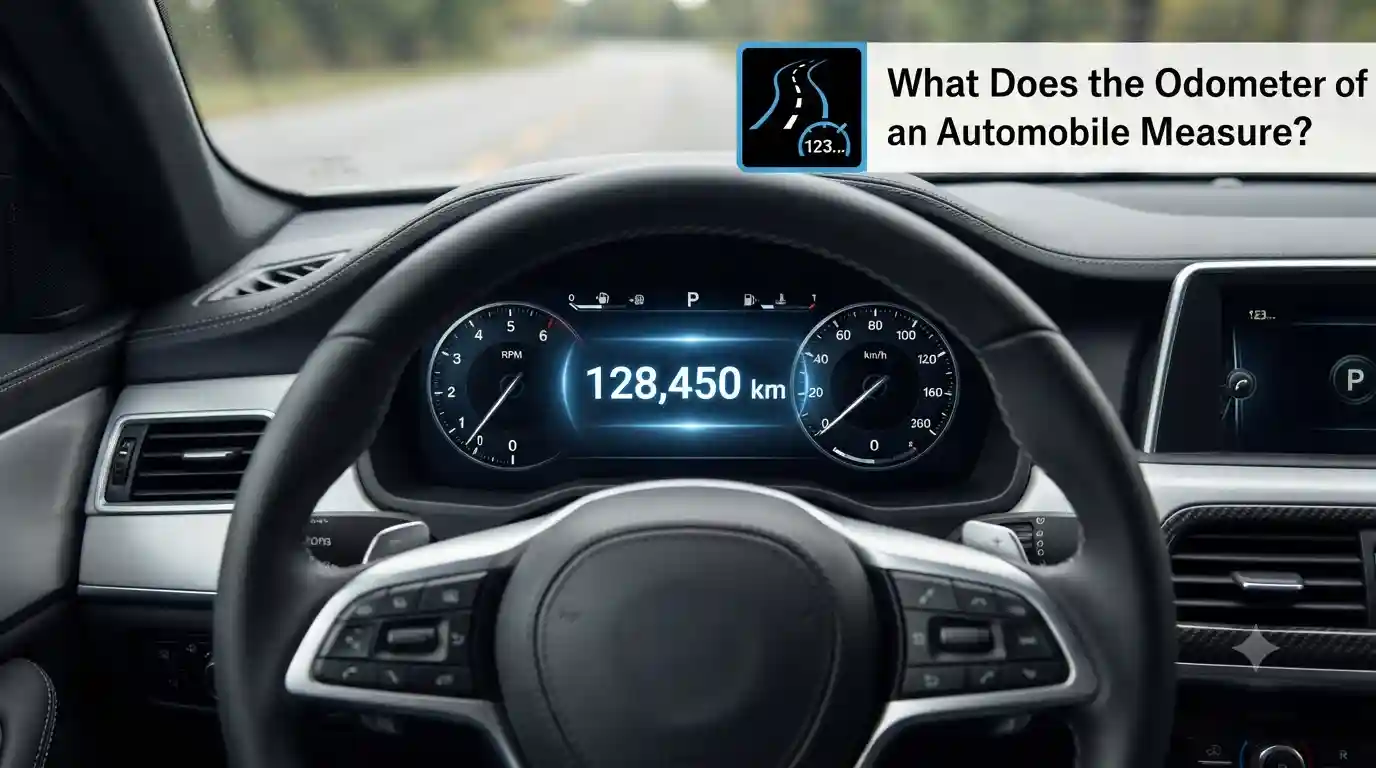

The odometer is one of the most important instruments in any vehicle, yet many drivers overlook its full significance. If you’ve ever wondered what does the odometer of an automobile measure, the answer is simple: it records the total distance a vehicle has traveled over its lifetime.
This measurement plays a crucial role in determining a car’s value, maintenance schedule, and overall condition.
Understanding the Odometer
An odometer is a device located on a vehicle’s dashboard that tracks the number of kilometers or miles driven. It continuously records distance from the moment the vehicle is first used.
There are two main types of odometers:
- Mechanical Odometers: Use gears and rotating numbers to display distance.
- Digital Odometers: Use electronic displays and sensors for more precise readings.
How Does an Odometer Work?
The odometer works by receiving data from the vehicle’s wheel rotation. Each time the wheels complete a full rotation, the system calculates the distance traveled based on the tire circumference.
In modern cars, this process is handled electronically using sensors and onboard computers, ensuring greater accuracy compared to older mechanical systems.
Why Is the Odometer Important?
1. Vehicle Value
Mileage is one of the biggest factors affecting a car’s resale value. Lower mileage generally means less wear and tear, making the vehicle more desirable.
2. Maintenance Scheduling
Manufacturers recommend servicing at specific mileage intervals. The odometer helps you track when to:
- Change engine oil
- Replace filters
- Inspect brakes and tires
Understanding vehicle components also helps with maintenance. You can explore this in detail through automobile spare parts images.
3. Buying Used Cars
When purchasing a used vehicle, checking the odometer is essential. It helps you evaluate whether the asking price matches the car’s usage.
Dealerships and sellers, including independent providers like PAL Automobiles, often highlight mileage as a key selling point.
Odometer vs Trip Meter
Many people confuse the odometer with the trip meter, but they serve different purposes:
- Odometer: Tracks total lifetime distance
- Trip Meter: Tracks distance for a specific journey and can be reset
Can Odometers Be Tampered With?
Yes, odometer fraud (also known as “clocking”) involves rolling back mileage to make a car appear less used. While modern digital systems are harder to manipulate, it’s still important to:
- Check service records
- Verify maintenance history
- Inspect vehicle condition
Odometer Units: Miles vs Kilometers
Depending on the country, odometers measure distance in:
- Miles (mi): Common in the US and UK
- Kilometers (km): Used in most other countries, including the UAE
Role of Odometer in UAE Vehicle Regulations
In the UAE, mileage is an important factor during vehicle registration, inspection, and resale. Buyers and authorities rely on odometer readings to assess vehicle condition and compliance.
Organizations like the Automobile and Touring Club of UAE offices in Dubai also emphasize proper documentation and vehicle transparency for drivers.
How Odometer Data Impacts Your Driving Experience
Tracking mileage helps you better understand your driving habits and vehicle usage. For example:
- High mileage may indicate frequent long-distance travel
- Low mileage may suggest limited use but possible maintenance gaps
Automotive Careers and Technical Knowledge
Understanding how components like odometers work is fundamental for anyone pursuing a career in automobile. Technicians, engineers, and inspectors all rely on accurate mileage data in their work.
To Sum Up
So, what does the odometer of an automobile measure? It records the total distance your vehicle has traveled, serving as a key indicator of its condition, value, and maintenance needs.
Whether you’re buying a car, maintaining one, or exploring the automotive industry, paying attention to the odometer ensures smarter decisions and better vehicle management.