
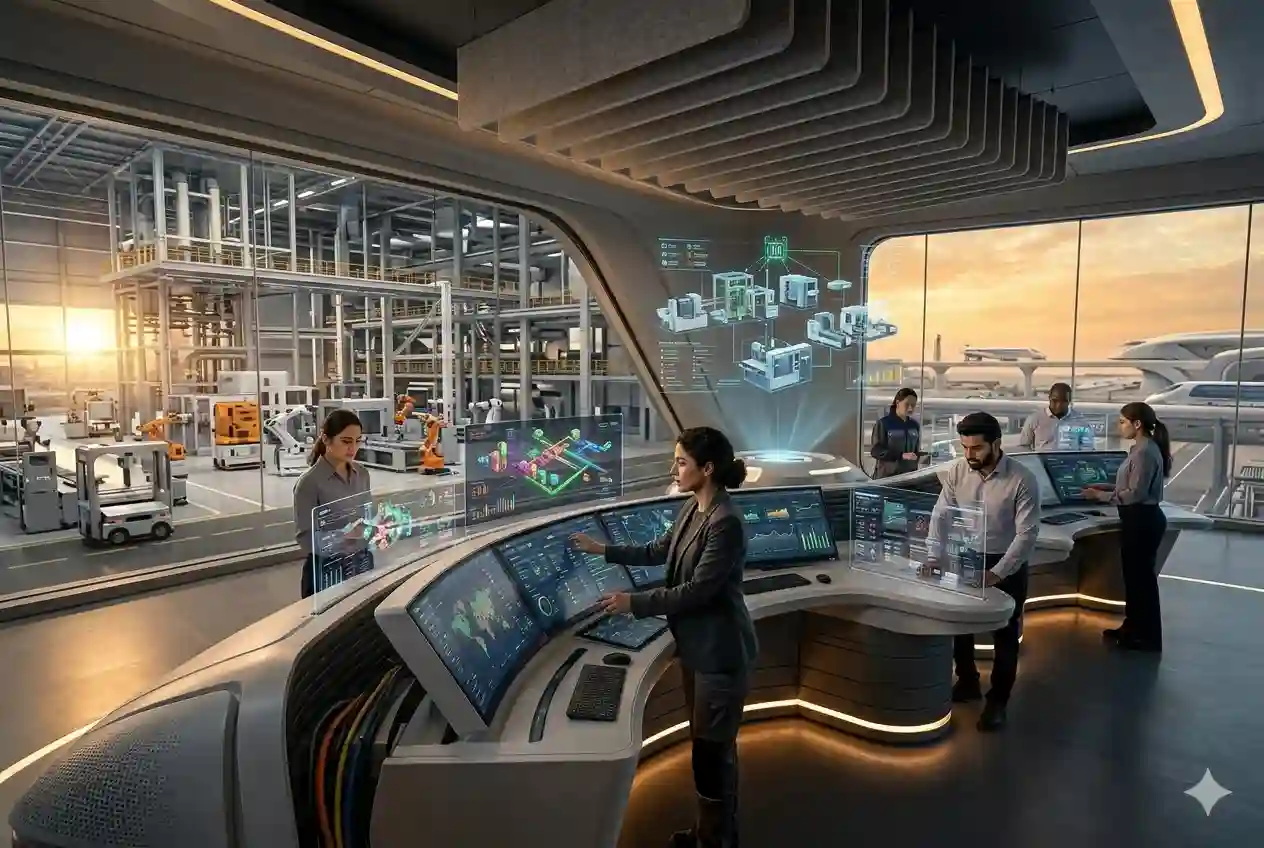

The UAE is rapidly evolving into a global hub for smart infrastructure, industrial automation, and digital transformation. At the center of this shift is advanced integration technology, a field that connects physical systems, digital platforms, and operational processes into a unified, intelligent ecosystem.
From industrial plants to smart cities and enterprise IT environments, integration technology is helping organizations streamline operations, reduce costs, and improve decision-making through real-time data connectivity and automation.
Understanding Advanced Integration Technology in Modern Industries
Advanced integration technology refers to the process of connecting multiple systems—such as software applications, industrial machinery, sensors, and communication networks—so they can operate as one coordinated structure.
In practical terms, it enables different technologies to “talk to each other.” For example, a manufacturing system can automatically send performance data to a cloud dashboard, while maintenance alerts are triggered in real time when equipment performance drops.
This level of connectivity is becoming essential in UAE industries, where efficiency, safety, and scalability are key priorities across sectors like energy, logistics, construction, and manufacturing.
Industrial safety-focused companies such as Warom Technology MENA FZCO often rely on integration frameworks to connect explosion-proof systems with centralized monitoring platforms in high-risk environments.
Role of System Integration in UAE Digital Transformation
The UAE government’s long-term digital strategy emphasizes smart governance, AI adoption, and fully connected infrastructure. System integration acts as the backbone of this transformation by ensuring seamless communication between legacy systems and modern digital platforms.
Without integration, organizations often face data silos, inefficiencies, and operational delays. With it, businesses can centralize control, automate workflows, and gain real-time visibility across all departments.
This is especially important in sectors such as energy and manufacturing, where downtime or system failure can have significant operational and financial consequences.
Industrial Automation and Smart Connectivity
One of the strongest applications of advanced integration technology is industrial automation. In UAE manufacturing plants, automation systems are used to control machinery, monitor output, and optimize production cycles.
These systems rely heavily on integrated sensors, programmable controllers, and cloud-based analytics platforms that process large volumes of operational data.
Companies operating in industrial ecosystems, including Acacus Technologies and Applied Technology Trading, contribute to this space by supporting enterprise-level IT infrastructure, hardware distribution, and system deployment solutions.
Integration in Energy, Oil & Gas Infrastructure
The UAE’s energy sector remains one of the most important drivers of technological adoption. Oil refineries, offshore platforms, and petrochemical plants depend on highly reliable integration systems to ensure safety and efficiency.
Advanced integration technology allows real-time monitoring of pressure levels, temperature variations, equipment performance, and safety compliance metrics.
This is where industrial engineering and safety technology intersect. For example, equipment suppliers like Power & Technology TR Co LLC often work alongside integration providers to ensure seamless communication between electrical systems and digital control platforms.
In hazardous environments, integration becomes even more critical, linking explosion-proof infrastructure and monitoring systems to centralized safety dashboards.
Smart Cities and Infrastructure Connectivity in UAE
The UAE’s smart city initiatives in Dubai, Abu Dhabi, and other emirates rely heavily on integrated systems that manage transportation, utilities, security, and public services.
Traffic systems, energy grids, surveillance networks, and emergency response platforms are increasingly interconnected to improve efficiency and reduce response times.
This approach requires not only advanced software systems but also skilled professionals and consultants such as those represented in firms like Technology People, who contribute to workforce development and IT integration expertise.
Enterprise Integration and Business Efficiency
In the corporate sector, advanced integration technology is transforming how companies operate. Enterprise Resource Planning (ERP), Customer Relationship Management (CRM), and supply chain systems are now commonly integrated into unified dashboards.
This allows decision-makers to access real-time insights across finance, operations, HR, and logistics without switching between disconnected platforms.
For example, a logistics company in the UAE can track shipments, manage inventory, and process billing within a single integrated system, reducing manual workload and improving accuracy.
Technology Ecosystem and Market Diversity in UAE
The UAE technology ecosystem is highly diverse, ranging from industrial automation providers to consumer electronics and IT service companies.
Retail and service-focused businesses such as HyperX Technology LLC Computer Plaza and iCare Technology Dubai highlight the broader spectrum of technology services available in the region, from hardware sales to device repair and technical support.
This diversity strengthens the UAE’s position as a regional technology hub, where both industrial-grade systems and consumer technologies coexist within a unified market structure.
Challenges in System Integration Implementation
Despite its advantages, implementing advanced integration systems comes with challenges. These include compatibility issues between legacy and modern systems, cybersecurity risks, and high initial setup costs.
Organizations must also invest in skilled professionals who understand both IT infrastructure and industrial operations to ensure successful deployment.
Security remains a top priority, especially as integrated systems become more connected to cloud environments and external networks.
Future of Advanced Integration Technology in UAE
The UAE is strongly aligning the future of integration technology with artificial intelligence, machine learning, and IoT-driven automation.
Future systems will not only monitor operations but will also predict failures and automatically optimize performance.
As industries continue to adopt digital transformation strategies, integration will serve as the foundation for all smart operations—from energy production to urban infrastructure management.
For organizations looking to understand global integration frameworks and enterprise solutions, platforms like IBM official website provide valuable insights into modern integration architectures and digital transformation tools.
Ultimately, advanced integration technology is not just a technical upgrade—it is a structural shift in how industries operate, communicate, and evolve in a highly connected world.