
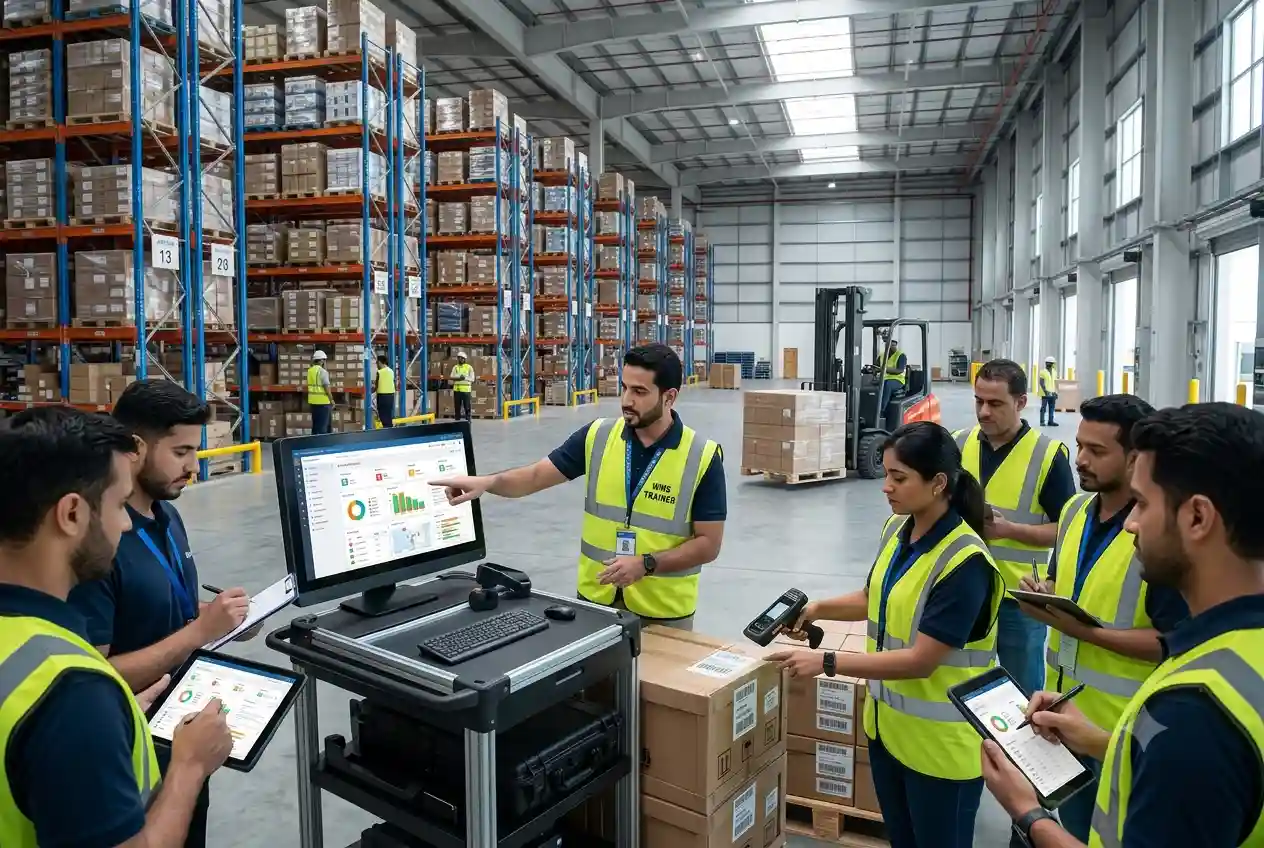

The UAE has established itself as one of the world’s leading logistics, trade, and supply chain hubs. With major ports, airports, free zones, e-commerce operations, distribution centers, and manufacturing facilities supporting regional and international commerce, efficient warehouse management has become increasingly important. As organizations continue investing in technology-driven operations, demand for professionals with Warehouse Management System (WMS) expertise continues to grow.
WMS training helps individuals understand how modern warehouse systems support inventory control, order fulfillment, stock visibility, operational efficiency, and supply chain management. Whether you are entering the logistics industry or seeking career advancement, acquiring WMS knowledge can provide valuable professional advantages.
Many logistics professionals also pursue complementary training programs through KHDA approved training institutes in Dubai to strengthen their technical, operational, and management capabilities.
What Is a Warehouse Management System (WMS)?
A Warehouse Management System is a software platform designed to support warehouse operations and inventory management activities. Organizations use WMS solutions to improve visibility, streamline workflows, enhance accuracy, and optimize warehouse performance.
Modern systems assist with inventory tracking, receiving processes, storage management, order picking, shipping coordination, reporting, and operational monitoring.
As supply chains become more complex, WMS platforms play an increasingly important role in helping organizations maintain efficiency and responsiveness.
Why WMS Training Is Important
Technology continues transforming warehouse operations across industries including retail, e-commerce, manufacturing, healthcare, food distribution, and logistics services. Employees who understand warehouse systems can contribute more effectively to operational performance and inventory accuracy.
WMS training helps professionals:
- Understand warehouse processes
- Improve inventory management knowledge
- Support operational efficiency
- Develop technology skills relevant to logistics
- Enhance data accuracy and reporting capabilities
- Strengthen career prospects within supply chain operations
As organizations increasingly rely on digital systems, these competencies have become valuable workplace assets.
Who Should Take WMS Training?
Warehouse Management System training is beneficial for professionals across logistics, distribution, manufacturing, and retail sectors.
Warehouse Supervisors
Supervisors responsible for inventory control and daily warehouse operations can improve efficiency through stronger system knowledge.
Inventory Controllers
Inventory professionals benefit from understanding how WMS platforms support stock accuracy and visibility.
Logistics Coordinators
Supply chain and logistics personnel often rely on warehouse data to support planning and operational decision-making.
E-Commerce Professionals
Online retail businesses depend heavily on efficient warehouse operations to meet customer expectations and delivery requirements.
Operations Managers
Managers overseeing distribution centers and logistics facilities can use WMS knowledge to improve performance and resource utilization.
Key Topics Covered in WMS Training
Training programs may vary depending on the software platform and industry focus, but several core topics are commonly addressed.
Inventory Management
Participants learn how warehouse systems help track inventory movement, stock levels, and product locations.
Receiving and Put-Away Processes
Training explains how goods are received, verified, and assigned to storage locations within warehouse environments.
Order Fulfillment
Participants gain insight into picking, packing, and shipping processes supported by warehouse management systems.
Reporting and Analytics
Modern WMS platforms often provide operational reporting tools that help organizations monitor performance and identify improvement opportunities.
System Navigation and Workflow Management
Users learn how warehouse software supports daily operational activities and process coordination.
Benefits of WMS Training for Businesses
Organizations that invest in employee training often achieve greater value from their technology investments. Trained personnel are better equipped to use system capabilities effectively and support operational objectives.
Potential business benefits include:
- Improved inventory accuracy
- Enhanced operational efficiency
- Reduced process errors
- Better warehouse visibility
- Improved reporting and decision-making
- Greater customer service performance
These advantages can contribute to stronger overall supply chain performance.
Career Opportunities After WMS Training
Professionals with warehouse technology expertise may pursue opportunities across a variety of sectors.
Logistics and Distribution
Distribution centers, freight companies, and logistics service providers frequently seek employees familiar with warehouse systems.
Retail and E-Commerce
Retailers increasingly rely on technology-driven inventory management to support both physical and online operations.
Manufacturing
Manufacturers use warehouse systems to manage raw materials, production inventory, and finished goods distribution.
Supply Chain Management
WMS knowledge can support broader career pathways within procurement, planning, transportation, and supply chain operations.
The Role of Safety in Warehouse Operations
While technology improves efficiency, workplace safety remains an essential priority within warehouse environments. Logistics facilities often combine operational training with workplace safety education to create safer and more productive working conditions.
Professionals involved in warehouse operations may benefit from additional qualifications such as fire safety training, first aid training in Dubai, and EFST training. These programs support emergency preparedness and strengthen overall workplace safety awareness.
Integrating operational excellence with safety knowledge helps organizations build stronger and more resilient teams.
Choosing a WMS Training Provider
When evaluating training options, prospective learners should consider course content, instructor expertise, software relevance, practical learning opportunities, and industry applicability.
The most effective programs focus on real-world warehouse operations and practical system usage rather than theory alone.
Individuals interested in logistics industry trends and trade development can also explore resources provided by DP World, one of the region’s leading logistics and supply chain organizations.
The Future of Warehouse Technology in the UAE
The UAE continues investing in logistics infrastructure, automation, digital transformation, and supply chain innovation. As warehousing operations become increasingly technology-driven, demand for professionals with system expertise is expected to remain strong.
Organizations are seeking employees who can combine operational understanding with technology proficiency, making WMS training a valuable investment for long-term career growth.
Whether working in e-commerce, manufacturing, logistics, retail, or distribution, professionals with warehouse management system knowledge are positioned to contribute meaningfully to modern supply chain operations.
To Sum Up
WMS training provides valuable knowledge for individuals seeking careers in warehousing, logistics, inventory management, and supply chain operations. By understanding how warehouse management systems support efficiency, visibility, and operational performance, professionals can strengthen their skills and improve career opportunities.
As the UAE continues expanding its role as a global logistics hub, expertise in warehouse technology and digital operations will remain increasingly important for organizations and professionals alike.