
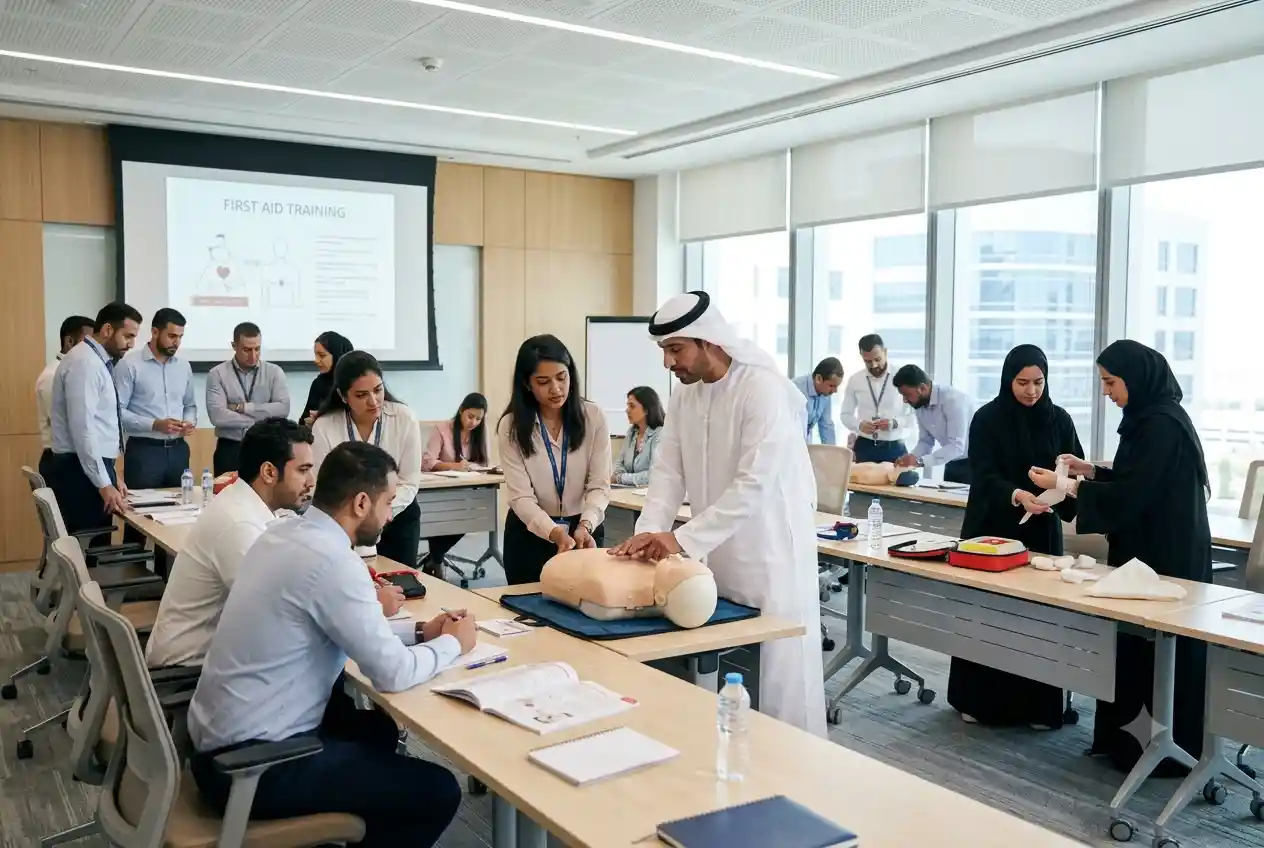

Safety awareness and emergency preparedness have become essential priorities across workplaces, educational institutions, hospitality venues, healthcare facilities, and public spaces throughout the UAE. One of the most recognized programs supporting these objectives is EFST training. Whether you are an employee, employer, student, caregiver, or safety professional, understanding the value of EFST training can help improve emergency response capabilities and create safer environments.
As organizations continue to strengthen their safety culture, many professionals pursue EFST training alongside specialized programs such as fire safety training, first aid training in Dubai, and industry-specific compliance courses. These training pathways contribute to a broader framework of workplace readiness and risk management.
What Is EFST Training?
EFST stands for Emergency First Aid and Safety Training. The program is designed to equip participants with practical knowledge and skills needed to respond effectively during emergencies until professional medical assistance arrives.
The training focuses on recognizing emergency situations, providing immediate assistance, assessing risks, and following appropriate safety procedures. Depending on the training provider and course structure, participants may learn both theoretical concepts and hands-on emergency response techniques.
EFST training is particularly valuable because emergencies can occur anywhere, including offices, schools, retail stores, construction sites, warehouses, hotels, and residential communities.
Why EFST Training Matters in the UAE
The UAE is home to a diverse workforce operating across multiple industries with varying safety requirements. Employers increasingly recognize that trained personnel can help reduce risks, improve incident response, and support overall workplace safety objectives.
EFST training contributes to:
- Improved emergency preparedness
- Enhanced workplace safety awareness
- Faster response during medical incidents
- Greater confidence among employees
- Support for organizational compliance requirements
- Reduced impact of workplace accidents
In sectors where public interaction is frequent, having staff trained in emergency response can also improve customer confidence and organizational reputation.
Who Should Take EFST Training?
One of the advantages of EFST training is its relevance across numerous professions and industries. The course is suitable for both beginners and experienced professionals seeking to strengthen their safety knowledge.
Corporate Employees
Office workers, supervisors, team leaders, and managers can benefit from understanding emergency procedures and incident response protocols.
Teachers and Educational Staff
Schools and training centers often prioritize emergency preparedness, making EFST training valuable for educators and administrative personnel.
Hospitality Professionals
Hotels, restaurants, resorts, and tourism businesses frequently invest in safety-related education for staff members who interact with guests daily.
Construction and Industrial Workers
Construction environments involve unique safety risks. Professionals may combine EFST training with specialized programs such as scaffolding inspector training in Dubai to strengthen workplace safety standards.
Caregivers and Community Workers
Individuals responsible for supporting others, including caregivers and community service personnel, can gain practical skills for handling emergencies effectively.
Key Topics Covered in EFST Training
Although course content may vary between providers, most EFST training programs cover several core areas related to emergency response and safety awareness.
Emergency Scene Assessment
Participants learn how to evaluate situations safely before providing assistance and how to identify potential hazards that could increase risks.
Incident Response Procedures
The course typically introduces structured approaches for managing emergencies and coordinating with emergency services.
Basic First Aid Principles
Many EFST programs include foundational first aid concepts that help participants respond appropriately to common medical situations.
Safety Awareness
Understanding workplace hazards and preventive measures is an important component of emergency preparedness.
Communication During Emergencies
Clear communication can significantly improve outcomes during critical situations. Participants often learn reporting procedures and emergency coordination practices.
EFST Training and Workplace Compliance
Many organizations view safety training as an important component of operational excellence. While specific compliance requirements vary by industry, employers often implement emergency response education to align with internal safety policies and industry best practices.
Businesses operating in sectors such as hospitality, food service, logistics, education, and healthcare frequently integrate safety programs into employee development plans.
For example, organizations involved in food handling may complement EFST training with HACCP training in Dubai to support food safety management systems and operational risk reduction.
How EFST Training Supports Career Development
Professional development increasingly extends beyond technical expertise. Employers often value candidates who demonstrate awareness of workplace safety and emergency preparedness.
Completing EFST training can strengthen a professional profile by showing commitment to safety, responsibility, and continuous learning. In competitive employment markets, these qualities can provide additional value during recruitment and promotion processes.
Individuals pursuing broader professional qualifications may also explore programs offered through KHDA approved training institutes in Dubai, which provide access to a variety of educational and career-focused courses.
Choosing a Quality EFST Training Provider
Selecting the right training provider is an important step toward gaining meaningful skills and knowledge. Prospective participants should evaluate course content, instructor qualifications, practical learning opportunities, certification details, and organizational reputation.
It can also be helpful to review guidance published by the UAE Ministry of Health and Prevention regarding public health awareness and safety initiatives.
A quality training experience should focus on practical application, real-world scenarios, and participant engagement rather than theoretical instruction alone.
The Growing Demand for Safety Training in the UAE
The UAE continues to invest heavily in workplace excellence, public safety, education, healthcare, hospitality, and infrastructure development. As a result, demand for professional training programs remains strong across multiple sectors.
Courses such as EFST training, first aid certification, fire safety education, lifeguard qualifications, and specialized workplace safety programs help organizations build resilient teams capable of responding effectively during emergencies.
Professionals interested in expanding their skill sets may also pursue complementary training opportunities including lifeguard training, technical workplace programs, or industry-specific certifications that support long-term career growth.
Final Thoughts
EFST training plays an important role in strengthening emergency preparedness, promoting workplace safety, and enhancing individual confidence during critical situations. As organizations across the UAE continue prioritizing health and safety, the demand for qualified and safety-conscious professionals is expected to remain strong.
Whether you are an employee seeking professional development, an employer building a stronger safety culture, or an individual looking to gain practical life skills, EFST training offers valuable knowledge that can make a meaningful difference when emergencies occur.