
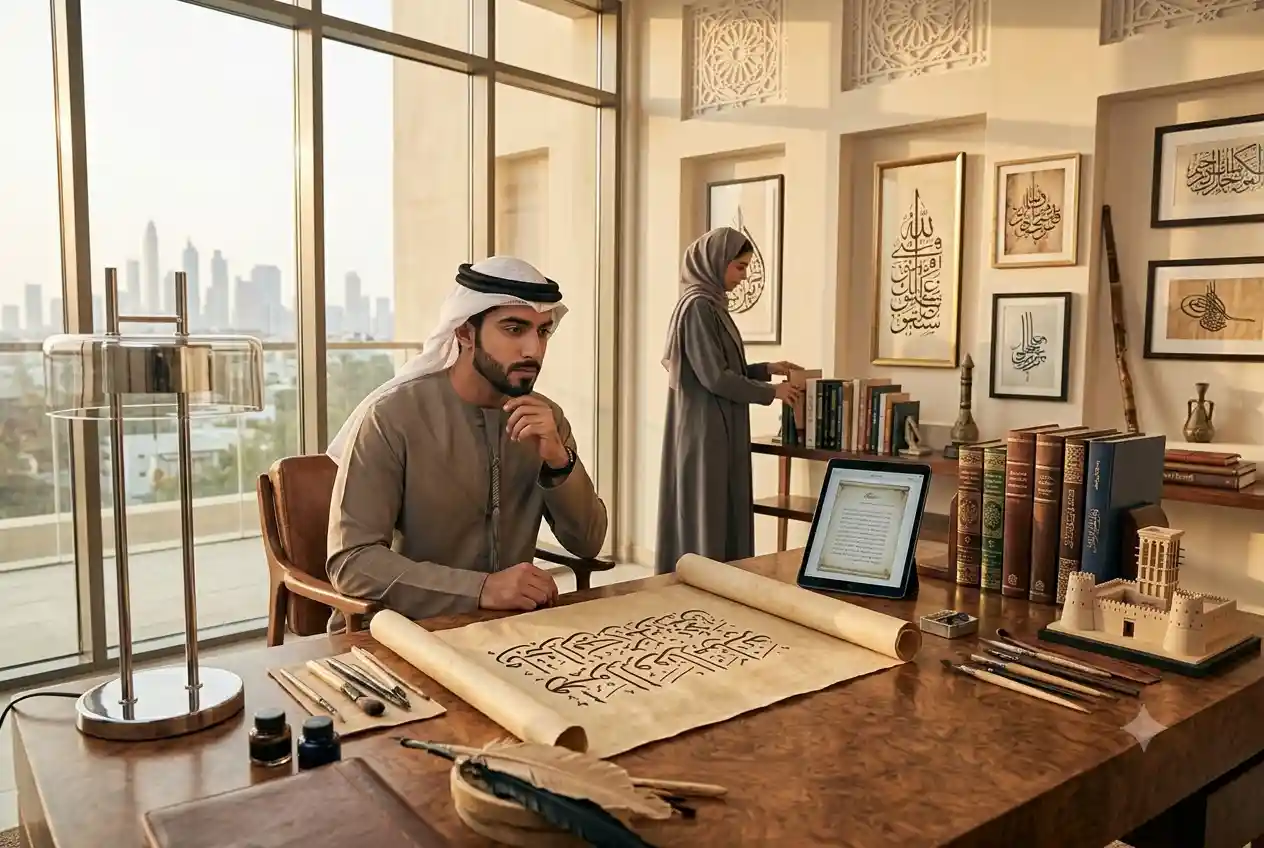

The phrase arabic of beautiful is commonly searched by people who want to understand how beauty is expressed in the Arabic language. Whether you are learning Arabic, living in the UAE, communicating with Arabic speakers, or exploring Arab culture, understanding the language of beauty offers valuable cultural insight.
Arabic is one of the world’s most widely spoken languages and contains a rich vocabulary for describing beauty, elegance, character, nature, and personal qualities. Additionally, depending on context, several Arabic words can be translated as “beautiful,” each carrying slightly different meanings and cultural nuances.
The Most Common Arabic Word for Beautiful
One of the most widely used Arabic words for beautiful is Jameel (جميل) for males and Jameela (جميلة) for females.
Generally, these words are commonly used across many Arabic-speaking countries and describe beauty, attractiveness, or something pleasing in appearance.
Examples include:
- Jameel manzar (beautiful view)
- Jameela sayyara (beautiful car)
- Jameel shakhs (beautiful person)
Furthermore, the word can apply to people, places, experiences, objects, and even ideas.
Beauty Beyond Appearance in Arabic Culture
Like many cultures around the world, Arab societies often view beauty as more than physical appearance. Character, generosity, hospitality, kindness, and respect are frequently considered important aspects of beauty.
In fact, this broader perspective closely aligns with discussions about what makes a beautiful person, where inner qualities often contribute significantly to how beauty is perceived.
Moreover, in many Arabic expressions, moral character and personal conduct are praised alongside physical appearance.
Other Arabic Words Associated with Beauty
Helo (حلو)
In many regional dialects, particularly in everyday conversation, people often use the word “Helo” or “Helwa” to mean beautiful, nice, attractive, or pleasant.
For example, it is frequently used when complimenting:
- People
- Clothing
- Food
- Homes
- Experiences
Rawaa (روعة)
This expression is often used to describe something amazing, wonderful, or stunning. Although it is not a direct translation of beautiful, it is commonly used when expressing admiration.
Fateen (فاتن)
In formal Arabic, this term may describe something captivating, charming, or enchanting.
Likewise, its usage often appears in literature, poetry, and artistic contexts.
The Importance of Beauty in Arabic Literature
Arabic literature has a long tradition of celebrating beauty through poetry, storytelling, and artistic expression. For instance, classical poets often described:
- Natural landscapes
- Personal character
- Love and relationships
- Wisdom
- Spiritual reflection
As a result, beauty frequently served as a metaphor for deeper emotional, philosophical, and spiritual themes.
Consequently, this literary tradition continues to influence modern Arabic writing and cultural expression.
Beauty in the UAE Context
The UAE combines traditional Arab culture with a highly international population. Therefore, concepts of beauty often blend local traditions with global influences.
Across Dubai, Abu Dhabi, Sharjah, and other emirates, beauty is expressed through fashion, architecture, hospitality, art, and personal presentation.
Additionally, many residents explore professional beauty services, which explains the popularity of searches for an Indian beauty salon near me and other beauty-related services throughout the country.
Beauty in Nature and Travel
The Arabic language is frequently used to describe the natural beauty of landscapes, deserts, mountains, and coastlines throughout the Middle East.
Similarly, beauty in nature remains a recurring theme across Arab culture and literature.
Travel enthusiasts often discover a comparable appreciation while exploring the most beautiful sights in the world, where natural and cultural wonders inspire admiration regardless of language or nationality.
How Language Reflects Cultural Values
Language provides valuable insight into how societies view the world. Indeed, the variety of Arabic words used to describe beauty demonstrates that beauty can be interpreted through multiple perspectives.
These perspectives may include:
- Physical appearance
- Good character
- Natural scenery
- Artistic achievement
- Hospitality and kindness
- Personal excellence
Ultimately, understanding these meanings helps language learners develop a deeper appreciation of Arab culture.
Learning Arabic Through Everyday Expressions
One of the most effective ways to learn Arabic is through practical vocabulary used in daily conversation. In particular, words related to beauty, greetings, gratitude, and everyday interactions are often among the first expressions language learners encounter.
Furthermore, regular exposure to spoken Arabic through media, conversation, and cultural experiences can accelerate language development.
Arabic Beauty and Modern Communication
Social media, digital communication, and international business have increased global interest in Arabic language learning.
As a result, professionals, students, travelers, and expatriates often seek common Arabic expressions to improve communication and strengthen cultural understanding.
In addition, in the UAE especially, even basic Arabic vocabulary can help individuals navigate daily interactions more confidently.
Beauty as a Universal Concept
Although languages may use different words, beauty remains a universal human concept. Regardless of culture, people appreciate kindness, meaningful experiences, natural landscapes, creativity, and personal authenticity.
Therefore, these shared values help bridge cultural differences while promoting mutual understanding and respect.
Important Points to Remember
The arabic of beautiful is commonly expressed through words such as Jameel, Jameela, Helo, and other related terms, each reflecting different shades of meaning and cultural context. Overall, understanding these expressions provides more than language knowledge—it offers insight into how beauty is viewed across Arabic-speaking societies.
Finally, for UAE residents, visitors, and language learners, exploring Arabic vocabulary can deepen cultural appreciation while improving communication skills. Those interested in learning more about the Arabic language can explore educational resources from the Arab Academy.