
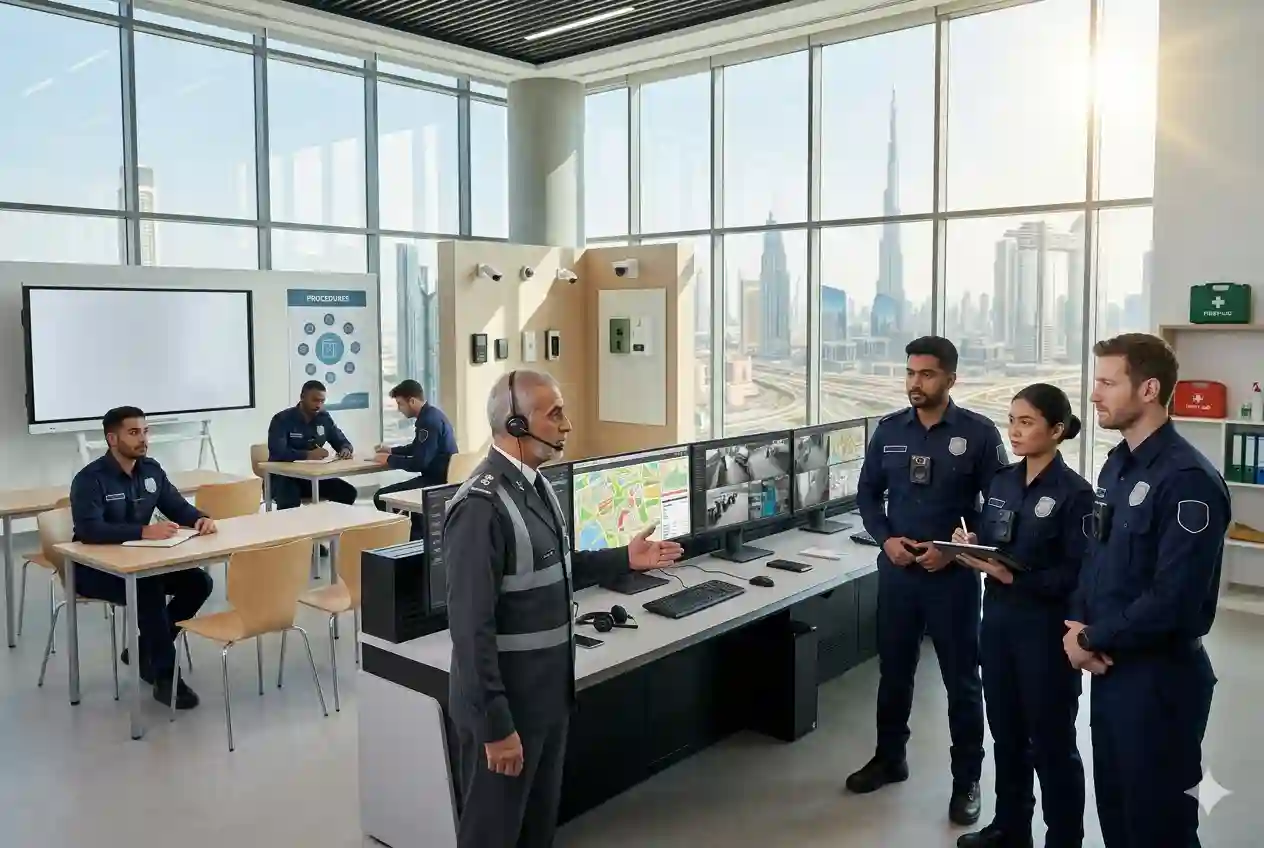

The security industry plays a critical role in protecting people, property, businesses, and public spaces throughout the UAE. As Dubai continues to grow as a global business, tourism, and investment destination, demand for qualified security professionals remains strong across multiple sectors.
To maintain high industry standards, security personnel are often required to complete specialized training and certification programs before working in licensed security roles. This has increased interest in facilities such as a SIRA Training Centre Dubai, where aspiring and existing security professionals can develop the knowledge and skills needed to meet industry requirements.
For individuals considering a career in the security sector, understanding the purpose of SIRA-related training and its professional benefits can help support long-term career growth within the UAE.
What Is SIRA?
SIRA stands for the Security Industry Regulatory Agency, the authority responsible for regulating and overseeing security-related activities in Dubai. The agency establishes standards designed to promote professionalism, safety, and operational effectiveness within the private security sector.
Security professionals working in regulated positions often need to complete approved training programs and satisfy applicable certification requirements before they can perform specific duties.
Why Security Training Is Important
Modern security responsibilities extend far beyond monitoring entrances or conducting patrols. Security personnel frequently serve as the first line of response during emergencies and are expected to manage a variety of situations professionally.
Proper training helps individuals develop skills related to:
- Security awareness
- Access control procedures
- Emergency response
- Incident reporting
- Conflict management
- Public safety
- Risk assessment
- Customer service
Well-trained personnel contribute to safer workplaces, commercial facilities, residential communities, events, and public spaces.
Who Should Attend SIRA Training?
SIRA-related training is relevant for individuals pursuing careers in various security-related roles.
- Security guards
- Security supervisors
- Control room operators
- CCTV operators
- Security managers
- Facility security personnel
- Event security staff
- Corporate security professionals
Training can also benefit professionals responsible for security planning, risk management, and operational oversight.
Topics Commonly Covered in Security Training
Security Procedures and Operations
Participants learn fundamental security principles, operational procedures, patrol techniques, observation skills, and workplace responsibilities.
Emergency Response and Incident Management
Security personnel are often expected to respond effectively during emergencies. Training typically covers evacuation procedures, emergency communication, incident reporting, and coordination with relevant authorities.
Many organizations strengthen emergency preparedness by combining security education with fire risk assessment training to improve overall workplace safety.
Risk Awareness and Hazard Identification
Security professionals must be capable of recognizing potential threats, identifying suspicious activities, and responding appropriately while maintaining professionalism.
Customer Service Skills
Security personnel frequently interact with employees, visitors, residents, customers, and guests. Strong communication and customer service skills help create positive experiences while maintaining security standards.
Benefits of Completing Security Training
Improved Employability
Many employers prefer candidates who have completed recognized security training programs and understand industry expectations.
Enhanced Professional Skills
Training helps participants develop practical knowledge that supports day-to-day operational effectiveness.
Career Advancement Opportunities
Security certifications can support progression from entry-level positions into supervisory or management roles.
Increased Workplace Confidence
Individuals who receive structured training often feel more confident handling workplace situations and responding to potential incidents.
Industries That Employ Security Professionals
Qualified security personnel are required across numerous industries throughout Dubai and the wider UAE.
- Commercial buildings
- Residential communities
- Hotels and resorts
- Shopping malls
- Healthcare facilities
- Educational institutions
- Corporate offices
- Industrial sites
- Government facilities
- Event venues
The broad demand for security professionals creates opportunities for individuals with the appropriate training and certifications.
Security Training and Workplace Safety
A Security and safety often work hand in hand. Security personnel may be involved in emergency evacuations, hazard reporting, access control during incidents, and coordination during workplace emergencies.
As a result, professionals frequently complement security certifications with broader safety education, including H2S training when working in industrial environments or facilities with elevated operational risks.
This multidisciplinary approach helps organizations maintain stronger safety and risk management systems.
How to Choose a Security Training Provider
When evaluating security training options, prospective learners should consider several important factors.
- Training quality and curriculum relevance
- Trainer experience
- Practical learning opportunities
- Industry recognition
- Certification requirements
- Learning support services
Many professionals begin their development journey through an Al Ain training center or similar educational institutions before specializing in security-related certifications.
Career Growth in the UAE Security Industry
Dubai’s continued growth in tourism, business, infrastructure development, and large-scale events contributes to ongoing demand for trained security personnel.
Individuals who invest in professional development and maintain industry certifications often improve their long-term career prospects.
Security professionals may eventually advance into positions such as:
- Security supervisor
- Control room supervisor
- Security operations manager
- Risk management specialist
- Corporate security coordinator
- Facility security manager
Many professionals also pursue additional education through institutions such as the Strong Point Educational and Training Institute to strengthen leadership, communication, and management skills.
Conclusion
A SIRA Training Centre Dubai provides an important pathway for individuals seeking careers in the UAE security industry. Through structured learning, practical skill development, and industry-focused education, security professionals can build the competencies needed to perform their responsibilities effectively.
As security requirements continue to evolve, ongoing training and professional development remain valuable investments for both individuals and organizations. Whether entering the industry for the first time or pursuing career advancement, quality security training can support long-term professional success.
For official information regarding regulations, licensing requirements, and industry standards, professionals can consult the Security Industry Regulatory Agency (SIRA) website.