
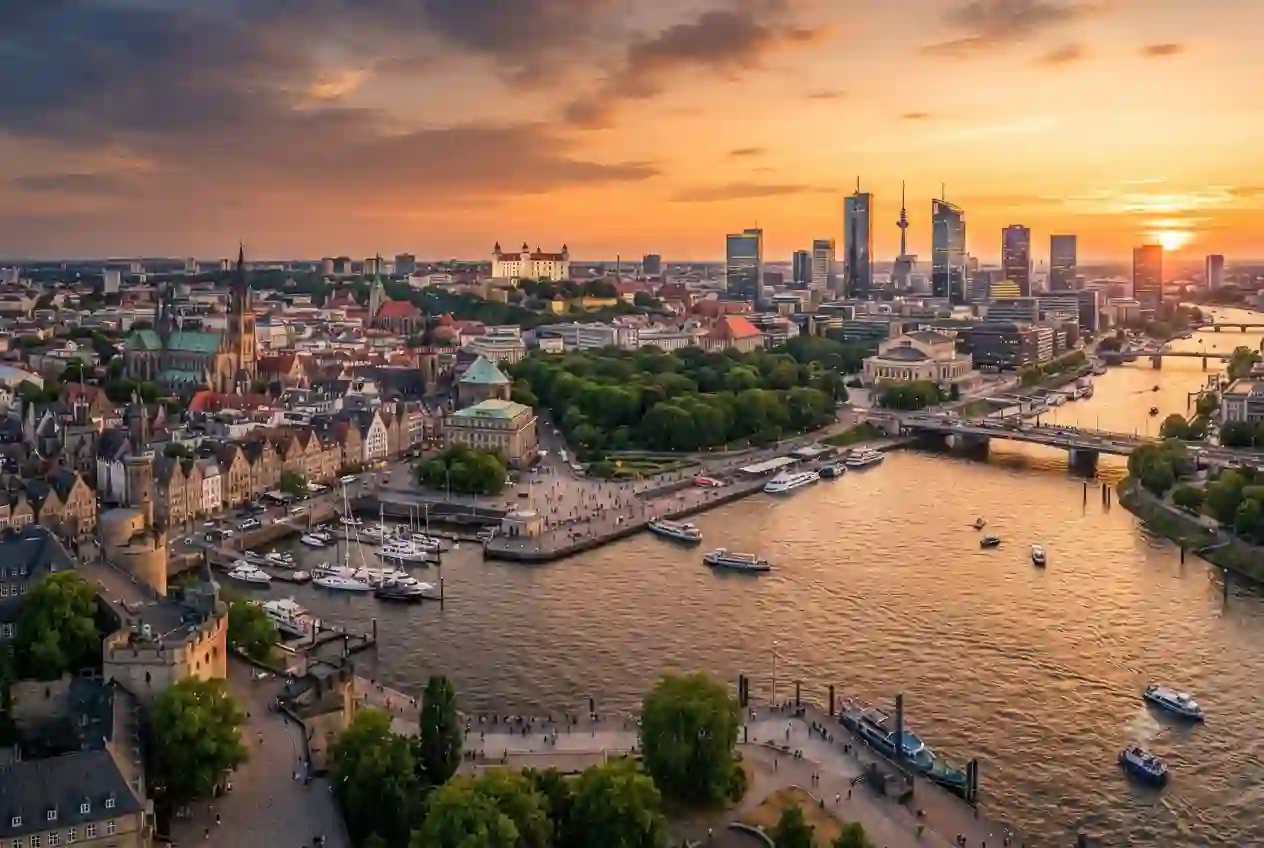

Choosing the most beautiful city of the world is never easy. Every city has its own unique identity, whether it’s defined by historic landmarks, waterfront views, impressive skylines, charming old streets, or vibrant cultural experiences. What one traveler considers the world’s most beautiful city may differ entirely from another’s perspective.
Rather than selecting a single destination, this guide highlights some of the world’s most admired cities based on their architecture, natural surroundings, cultural significance, and unforgettable atmosphere.
What Makes a City Beautiful?
Beautiful cities often combine several qualities that leave lasting impressions on visitors. Historic preservation, public spaces, scenic landscapes, iconic architecture, local traditions, and welcoming communities all contribute to a city’s appeal.
The best destinations also balance modern development with cultural heritage, creating experiences that attract travelers year after year.
15 Cities Frequently Ranked Among the World’s Most Beautiful
1. Paris, France
Known for elegant boulevards, world-famous museums, and timeless architecture, Paris continues to captivate visitors with its artistic atmosphere and historic charm.
2. Venice, Italy
Canals, bridges, and centuries-old buildings make Venice one of the world’s most recognizable and romantic cities.
3. Kyoto, Japan
Traditional temples, peaceful gardens, and seasonal cherry blossoms create an extraordinary blend of culture and natural beauty.
4. Prague, Czech Republic
Its medieval streets, Gothic churches, and historic squares offer visitors an unforgettable European experience.
5. Cape Town, South Africa
Situated between Table Mountain and the Atlantic Ocean, Cape Town combines dramatic scenery with a vibrant urban lifestyle.
6. Istanbul, Türkiye
Straddling two continents, Istanbul showcases remarkable architecture, lively markets, and centuries of fascinating history.
7. Sydney, Australia
The Sydney Opera House, Harbour Bridge, beaches, and waterfront lifestyle contribute to the city’s global appeal.
8. Dubai, United Arab Emirates
Dubai blends futuristic skyscrapers with golden deserts, luxury resorts, cultural districts, and beautiful beaches. Its impressive skyline has earned international recognition among modern urban destinations.
9. Barcelona, Spain
Creative architecture, Mediterranean beaches, and lively neighborhoods make Barcelona a favorite among travelers.
10. Quebec City, Canada
Its cobblestone streets and preserved historic district offer a distinctly European atmosphere in North America.
11. Rio de Janeiro, Brazil
Mountains, beaches, and iconic landmarks combine to create one of the world’s most scenic urban landscapes.
12. Edinburgh, Scotland
Historic castles, dramatic hills, and elegant architecture make Edinburgh one of the United Kingdom’s most picturesque cities.
13. Singapore
Modern architecture, lush gardens, and efficient urban planning have transformed Singapore into one of Asia’s most attractive cities.
14. Vienna, Austria
Grand palaces, classical music heritage, and elegant streets make Vienna a timeless travel destination.
15. Florence, Italy
Renaissance architecture, museums, and artistic heritage continue to attract millions of visitors every year.
Why Dubai Stands Out
Among modern cities, Dubai offers an exceptional combination of innovation and luxury. Visitors can experience world-class shopping, pristine beaches, desert adventures, cultural attractions, and architectural landmarks within a single destination.
Travelers planning broader international adventures may also enjoy exploring our guide to the most beautiful place on earth for spectacular natural destinations around the globe.
Historic Cities vs Modern Cities
Some travelers prefer centuries-old streets filled with history, while others are drawn to contemporary skylines and modern attractions. Both styles offer unique experiences that showcase different aspects of beauty.
How to Choose the Right City for Your Trip
Culture Lovers
Choose cities with museums, historical landmarks, and local traditions.
Nature Enthusiasts
Look for cities surrounded by mountains, coastlines, forests, or lakes.
Food Travelers
Explore destinations renowned for local cuisine, markets, and regional specialties.
Luxury Travelers
Cities with premium hotels, fine dining, and upscale shopping offer unforgettable experiences.
Travel Tips for Visiting Popular Cities
- Travel during shoulder seasons for fewer crowds.
- Use public transportation whenever possible.
- Book major attractions in advance.
- Respect local customs and traditions.
- Support local businesses and cultural experiences.
Frequently Asked Questions
Which city is considered the most beautiful in the world?
There is no universally accepted answer. Cities such as Paris, Venice, Kyoto, Dubai, and Cape Town frequently appear in travel recommendations.
Is beauty subjective?
Yes. Personal interests, travel experiences, and cultural preferences influence how people define a beautiful city.
Which city offers both modern attractions and cultural heritage?
Dubai, Istanbul, and Singapore are excellent examples of destinations that successfully blend innovation with tradition.
Concluding Remarks
The most beautiful city of the world depends on what inspires you most. Some travelers seek historic streets and architectural masterpieces, while others prefer vibrant skylines or breathtaking waterfronts. Exploring different cities allows you to appreciate the diverse cultures, landscapes, and experiences that make global travel so rewarding.
For destination insights and responsible travel recommendations, visit UN Tourism.
What Makes a City Beautiful
Beauty in a city is a mix of architecture, nature, light, and life. Some cities impress with grand buildings and historic streets, others with harbours, mountains, or gardens woven into daily life. The most loved cities usually combine several elements: a distinctive skyline, walkable streets, water or green space, and neighbourhoods that feel alive rather than staged for visitors.
Personal taste plays a large part. A traveller who loves history may rank an old European capital first, while another may prefer a coastal city or a modern metropolis. That subjectivity is part of the pleasure: there is no single correct answer, only cities that move different people for different reasons.
Beyond the Famous Views
Famous views are famous for a reason, but a city’s beauty often reveals itself away from the main sights. Morning markets, neighbourhood cafes, riverside walks, and local parks show how residents actually live, and those scenes stay in memory longer than a crowded viewpoint. Travellers who leave time unscheduled often discover the moments they remember best.
It is worth visiting a city at different times of day. Dawn light, evening crowds, and quiet side streets each show a different character, and a city that charms in all three has a depth that a single postcard view cannot convey.
Culture, Food, and Everyday Life
Culture shapes how a city feels. Museums and theatres matter, but so do street food, local festivals, music, and the everyday rituals of residents. A city where public spaces are used and cared for, where people gather outdoors, and where old and new sit comfortably together tends to feel beautiful in a lived-in way.
Food is often the quickest route into a city’s character. Markets and neighbourhood restaurants reveal ingredients, traditions, and the mix of communities that built the place. Eating where residents eat is both cheaper and more revealing than dining only in tourist areas.
Planning a City Visit
Planning a city visit well means balancing sights with rest. A short list of must-see places, plus time for wandering, beats a packed itinerary that leaves no room for discovery. Comfortable shoes, a simple map, and a willingness to use public transport open up far more of a city than taxis between landmarks.
Finally, respect the city as a home, not just a destination. Keeping noise down in residential streets, supporting local businesses, and leaving places clean are small courtesies that keep beautiful cities welcoming for the next visitor too.
Frequently Asked Questions
What is the most beautiful city in the world?
There is no single answer, because beauty is personal. Some travellers rank historic capitals first, others prefer coastal cities, mountain towns, or modern skylines. The most useful question is not which city is objectively most beautiful, but which kind of beauty a particular traveller enjoys most.
When is the best time to visit a city?
The best time depends on climate, crowds, and events. Shoulder seasons often offer pleasant weather with fewer visitors, while festivals can make a visit memorable despite crowds. Checking local weather patterns and event calendars before booking helps set expectations.
How many days should I spend in a city?
Most cities reward at least two to three full days: one for main sights, one for neighbourhoods and local life, and one for unplanned discovery. Rushing through in a single day usually means seeing landmarks without experiencing the city itself.
Is it better to visit famous cities or hidden ones?
Both have value. Famous cities offer world-class sights and infrastructure, while lesser-known cities offer surprise and authenticity with fewer crowds. A good travel habit is to mix both across trips rather than choosing one approach exclusively.
Beauty Is in the Experiencing
The world’s most beautiful city is ultimately the one that moves you, and that discovery happens through experiencing rather than ranking. Walk neighbourhoods, eat where residents eat, visit at different hours, and leave room for surprise. Lists can inspire a journey, but the beauty that stays with you is found in streets, markets, and moments that no ranking can fully capture.
In the end, the most beautiful city is the one you experience fully rather than photograph quickly. Slow down, talk to residents, try local food, and revisit favourite streets at different hours. The cities that stay with us are rarely the ones we rushed through; they are the ones we took time to know.
