
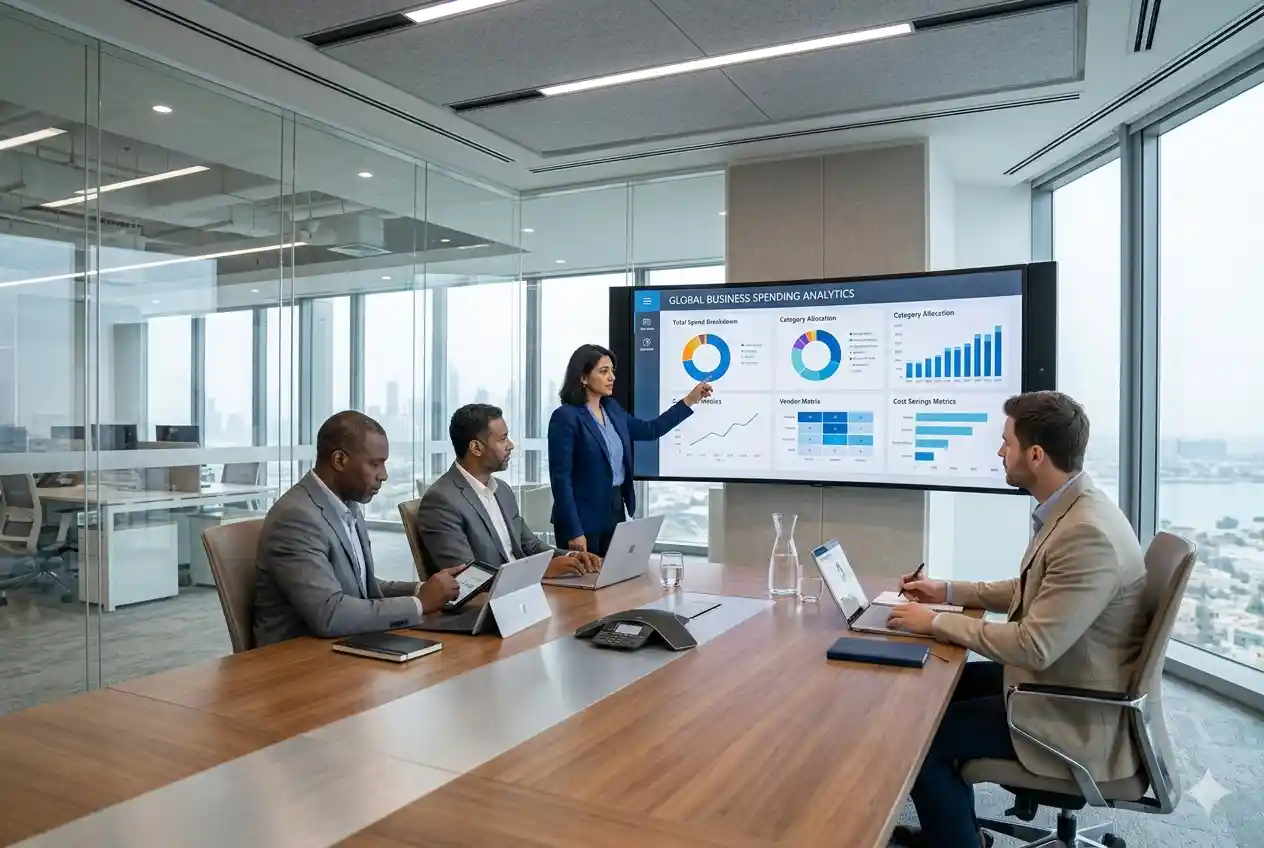

Modern organizations generate enormous volumes of purchasing and financial data every day. From supplier invoices and procurement contracts to operational expenses and inventory purchases, every transaction creates valuable information. However, collecting data alone is not enough. Businesses need effective tools to transform raw information into actionable insights, which is where spend analytics technology becomes increasingly important.
Across the UAE and global markets, organizations are investing in advanced analytics platforms to gain greater visibility into spending patterns, identify savings opportunities, improve supplier relationships, and strengthen procurement strategies. As digital transformation continues to reshape business operations, spend analytics has become a critical component of modern financial and procurement management.
What Is Spend Analytics Technology?
Spend analytics technology refers to software platforms, analytical tools, and data-driven processes used to collect, classify, analyze, and visualize organizational spending data.
The goal is to provide decision-makers with a comprehensive understanding of how money is being spent across departments, suppliers, projects, and business units.
Instead of relying on fragmented spreadsheets or manual reporting methods, organizations can use spend analytics platforms to create centralized visibility into procurement and financial activities.
Why Spend Visibility Matters
Many businesses struggle with limited visibility into procurement activities, especially when operations span multiple locations, suppliers, and departments.
Without accurate insights, organizations may face challenges such as:
- Duplicate purchases
- Supplier fragmentation
- Uncontrolled spending
- Missed cost-saving opportunities
- Inefficient procurement workflows
- Contract compliance issues
Spend analytics technology helps address these issues by transforming complex data sets into meaningful information that supports strategic decision-making.
Key Features of Spend Analytics Platforms
Modern spend analytics solutions typically offer a range of capabilities designed to improve procurement performance and financial control.
Data Consolidation
Organizations often collect purchasing data from enterprise resource planning systems, accounting software, procurement platforms, and supplier databases. Spend analytics tools combine these sources into a single view.
Spend Classification
Transactions are categorized into logical spending groups, making it easier to identify trends and evaluate procurement performance.
Supplier Analysis
Businesses can assess supplier relationships, spending concentration, contract utilization, and supplier performance.
Dashboard Reporting
Interactive dashboards help stakeholders monitor procurement activities in real time and generate customized reports.
Opportunity Identification
Analytics tools can reveal areas where organizations may consolidate suppliers, negotiate better pricing, or optimize purchasing practices.
How Spend Analytics Supports Digital Transformation
Digital transformation initiatives increasingly focus on leveraging data to improve business outcomes. Spend analytics technology plays an important role in this evolution by providing procurement leaders with greater transparency and strategic insight.
Organizations that adopt advanced analytical tools can often make faster, more informed decisions while reducing reliance on manual reporting processes.
The growing importance of data-driven decision-making has also contributed to demand for big data technology solutions that help organizations process large volumes of structured and unstructured information.
Benefits of Spend Analytics Technology
Cost Reduction Opportunities
One of the primary advantages of spend analytics is the ability to identify inefficiencies and spending patterns that may be increasing costs unnecessarily.
Businesses can uncover opportunities to consolidate vendors, standardize purchasing practices, and negotiate improved supplier agreements.
Better Supplier Management
Understanding supplier relationships is essential for procurement success. Spend analytics platforms provide visibility into supplier performance, spending levels, and procurement dependencies.
This information helps organizations develop stronger supplier strategies and reduce procurement risks.
Improved Compliance
Organizations often establish procurement policies to control spending and ensure consistency. Analytics tools make it easier to monitor compliance with approved purchasing procedures.
Enhanced Strategic Planning
Accurate spending insights support budgeting, forecasting, and long-term procurement planning.
Leadership teams can make more confident decisions when supported by reliable data.
Industries Using Spend Analytics Technology
Spend analytics is not limited to a single industry. Organizations across multiple sectors use these tools to improve financial and procurement performance.
Common industries include:
- Oil and gas
- Manufacturing
- Healthcare
- Retail
- Construction
- Government organizations
- Logistics and transportation
- Technology companies
For example, companies operating in industrial sectors often combine spend analytics with operational technologies similar to those discussed in SMI Oilfield Technology and Products FZE industry applications.
The Role of Artificial Intelligence in Spend Analytics
Artificial intelligence and machine learning are increasingly being integrated into spend analytics platforms.
These technologies can automate data classification, detect spending anomalies, forecast procurement trends, and generate predictive insights.
As organizations continue investing in intelligent business systems, analytics platforms are becoming more sophisticated and capable of delivering deeper operational intelligence.
Challenges Businesses Face When Implementing Spend Analytics
Although spend analytics offers significant benefits, implementation can present certain challenges.
Data Quality Issues
Incomplete, inconsistent, or inaccurate data can limit the effectiveness of analytics initiatives.
System Integration
Organizations often need to integrate multiple business systems to achieve comprehensive spending visibility.
User Adoption
Successful implementation requires procurement teams, finance professionals, and business leaders to actively use analytical insights in decision-making processes.
Skills Development
As analytics becomes more advanced, organizations increasingly value professionals with data management and analytical expertise.
This trend contributes to growing interest in information technology courses in Dubai that help professionals develop relevant technical skills.
Spend Analytics and Business Intelligence
Spend analytics is closely connected to broader business intelligence strategies. While business intelligence platforms analyze operational and financial performance across the organization, spend analytics focuses specifically on procurement and purchasing activities.
Together, these technologies provide a more complete view of organizational performance and support data-driven management practices.
Technology providers such as Regent Technologies and other digital transformation specialists often support businesses seeking to modernize their data management and analytics capabilities.
The Future of Spend Analytics Technology
As organizations generate larger volumes of procurement data, spend analytics technology will continue to evolve. Future developments are expected to include enhanced automation, predictive analytics, artificial intelligence integration, and real-time decision support.
Businesses that embrace advanced analytics solutions will be better positioned to improve procurement efficiency, strengthen supplier relationships, and maintain competitive advantages in increasingly data-driven markets.
For organizations operating in the UAE’s rapidly evolving business environment, spend analytics technology represents more than a procurement tool. It serves as a strategic resource that supports smarter decision-making, operational efficiency, and long-term business growth.
Professionals interested in procurement best practices and supply chain management insights can explore resources available through the Chartered Institute of Procurement & Supply (CIPS), a globally recognized organization for procurement and supply chain professionals.