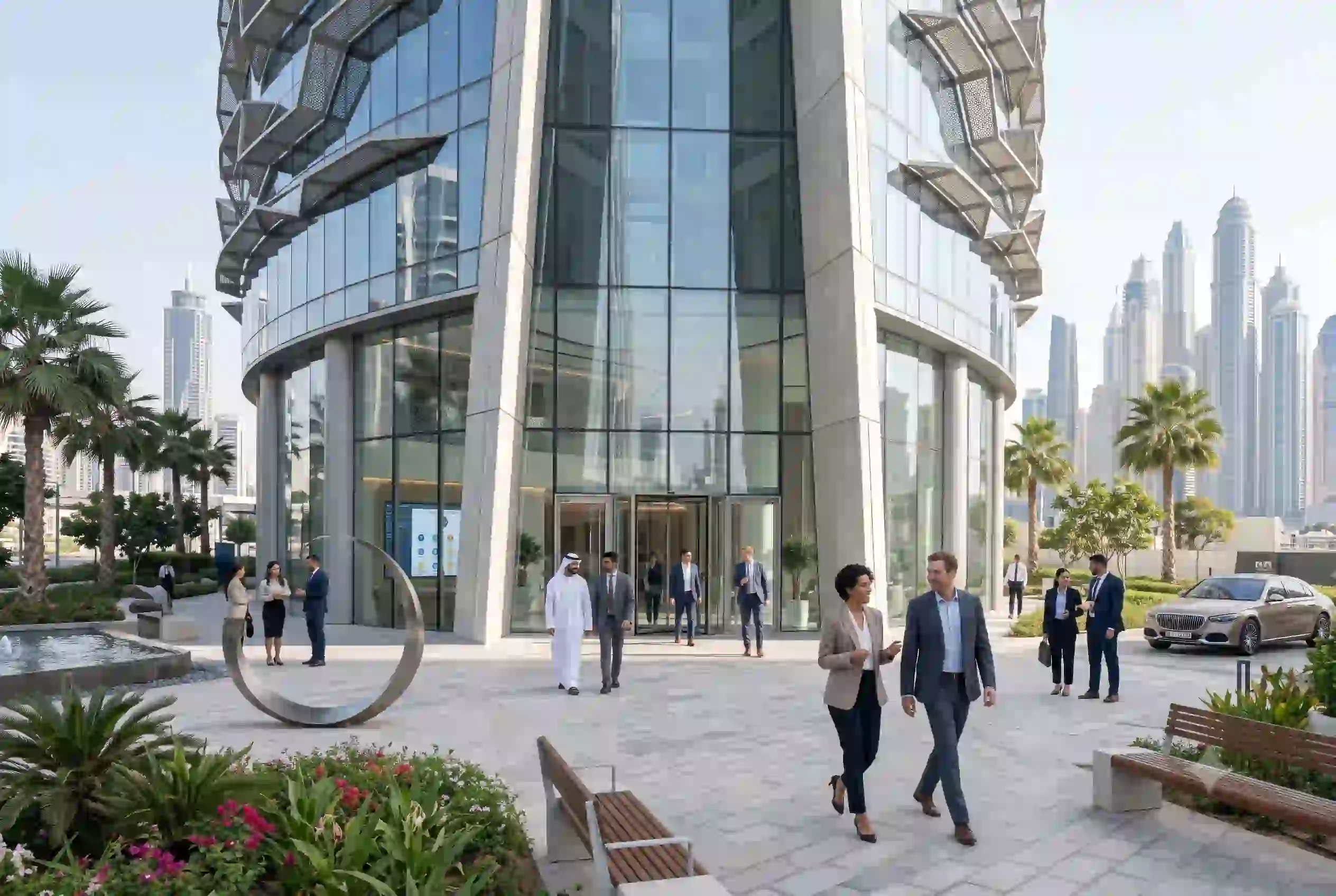
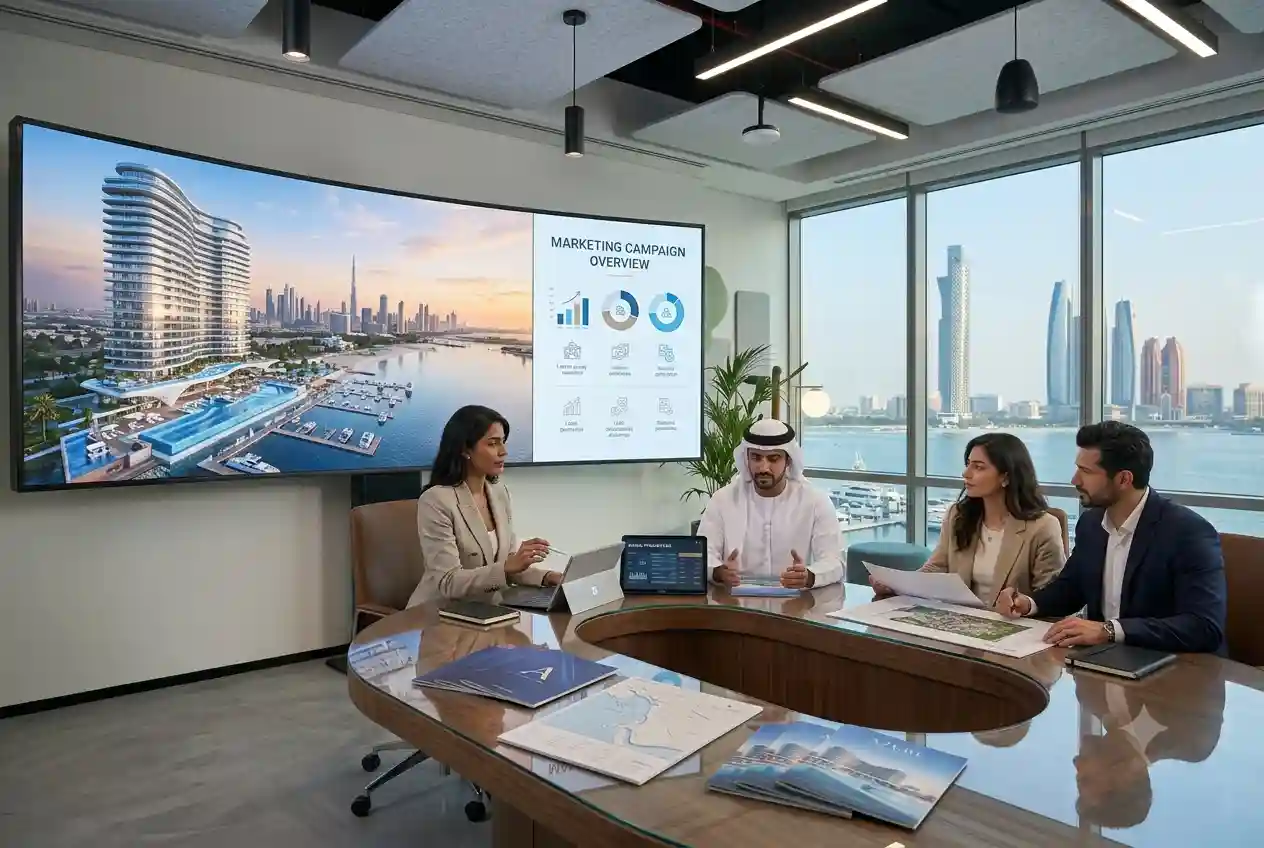

Dubai has established itself as one of the world’s most dynamic real estate markets. From luxury waterfront developments and branded residences to commercial towers and master-planned communities, the city attracts buyers and investors from across the globe. In such a competitive environment, effective real estate marketing Dubai strategies are essential for standing out and generating qualified leads.
Modern property buyers begin their journey online. They research locations, compare projects, evaluate developers, and explore investment opportunities long before contacting a sales representative. This shift in consumer behavior has transformed how developers, brokers, and agencies approach marketing.
Today, successful real estate marketing combines branding, content creation, digital advertising, social media engagement, search engine visibility, and customer experience optimization to attract and convert potential buyers.
Why Real Estate Marketing Is Crucial in Dubai
Dubai’s property sector is highly competitive. Buyers have access to countless project options across different communities, price ranges, and investment categories. Effective marketing helps developers and agencies communicate unique selling points while building trust and credibility.
Marketing also plays a vital role in educating buyers about market opportunities, lifestyle benefits, investment potential, and project features. The more informed a prospect becomes, the more likely they are to engage with a property brand.
For developers launching new projects, strong marketing can significantly influence awareness, inquiry volume, and sales performance.
Understanding the Dubai Property Buyer
Dubai attracts a diverse audience that includes local residents, expatriates, international investors, entrepreneurs, and high-net-worth individuals. Each audience segment has different priorities and purchasing motivations.
Some buyers focus on long-term investment returns, while others prioritize lifestyle, location, amenities, or family-oriented communities. Effective marketing campaigns tailor messaging to specific audience segments rather than using a one-size-fits-all approach.
Understanding buyer behavior is one of the foundations of successful property promotion.
Building a Strong Real Estate Brand
Brand perception influences buyer confidence. Developers and agencies with strong reputations often enjoy higher levels of trust and engagement.
Branding should communicate quality, reliability, expertise, and market positioning. Consistent messaging across websites, advertisements, brochures, social media, and sales materials reinforces credibility.
A memorable brand can create competitive advantages that extend beyond individual projects.
Search Engine Optimization for Real Estate
Search engine optimization remains one of the most valuable long-term marketing investments for property businesses. Buyers frequently search for communities, investment opportunities, market trends, and property listings through search engines.
SEO helps businesses appear when prospects actively seek relevant information. Well-optimized content can generate consistent organic traffic and support lead generation efforts.
Educational articles, community guides, market reports, and investment resources often perform particularly well in real estate search campaigns.
Social Media and Property Promotion
Real estate is highly visual, making social media an important marketing channel. Platforms such as Instagram, Facebook, LinkedIn, and YouTube allow businesses to showcase properties through photos, videos, virtual tours, and project updates.
Many agencies adopt techniques commonly used in Instagram marketing Abu Dhabi campaigns, where visual storytelling helps attract and engage highly targeted audiences.
Consistent social media activity strengthens brand visibility while creating opportunities for direct customer interaction.
The Role of Property Marketing Services
Many developers and agencies work with specialists offering property marketing services to improve campaign effectiveness.
These services may include branding, advertising, content marketing, lead generation, website development, creative production, social media management, and marketing automation.
Specialized expertise can help businesses navigate the complexities of modern real estate marketing while improving overall campaign performance.
Performance Marketing and Lead Generation
Generating high-quality leads is one of the primary objectives of real estate marketing. Paid advertising campaigns allow businesses to reach prospects actively interested in purchasing property.
Many organizations utilize performance marketing services to track campaign effectiveness and optimize customer acquisition efforts.
Performance marketing focuses on measurable outcomes such as inquiries, appointments, registrations, and sales rather than visibility alone.
This data-driven approach helps businesses allocate budgets more efficiently and improve return on investment.
Content Marketing for Real Estate
Content marketing supports buyer education while building trust and authority. Instead of focusing exclusively on promotional messaging, businesses can create resources that answer common buyer questions and provide valuable market insights.
Examples include investment guides, area comparisons, financing information, market updates, and lifestyle-focused content.
Quality content not only attracts search traffic but also helps nurture prospects throughout the purchasing process.
Marketing Strategies for Developers
Developers often require comprehensive marketing plans that span multiple project phases. From pre-launch awareness campaigns to post-launch lead nurturing, every stage requires strategic planning.
Many of the industry’s most successful campaigns incorporate principles discussed in marketing strategies for real estate developers, where branding, audience targeting, and customer experience work together to support sales objectives.
Developers that maintain consistent marketing efforts throughout the project lifecycle often achieve stronger results.
The Importance of Experiential Marketing
Property purchases are emotional as well as financial decisions. Experiential marketing helps prospects visualize ownership by creating memorable interactions with projects and communities.
Open houses, launch events, virtual tours, community showcases, and immersive presentations can significantly influence buyer perceptions.
Event experiences often borrow engagement principles from large-scale attractions such as Madinat Jumeirah Christmas Market 2021, where atmosphere and visitor engagement create lasting impressions.
Measuring Real Estate Marketing Success
Marketing effectiveness should be evaluated using clear performance indicators. Common metrics include website traffic, lead volume, cost per lead, conversion rates, appointment bookings, and sales outcomes.
Regular reporting helps identify successful tactics while revealing opportunities for optimization.
Organizations such as the Dubai Land Department provide valuable market information that contributes to greater transparency and informed investment decisions.
Future Trends in Dubai Real Estate Marketing
Artificial intelligence, predictive analytics, virtual reality, augmented reality, and personalized customer journeys are reshaping the future of real estate marketing.
As technology advances, businesses that embrace innovation while maintaining customer-focused strategies will be better positioned to attract modern buyers and investors.
Conclusion
Real estate marketing Dubai continues to evolve as buyer expectations, technology, and competition reshape the industry. Successful marketing now requires a combination of branding, digital visibility, social media engagement, lead generation, and customer experience optimization.
By implementing data-driven strategies and maintaining a strong focus on buyer needs, developers, brokers, and agencies can improve visibility, generate qualified leads, and achieve stronger sales performance in one of the world’s most competitive property markets.