
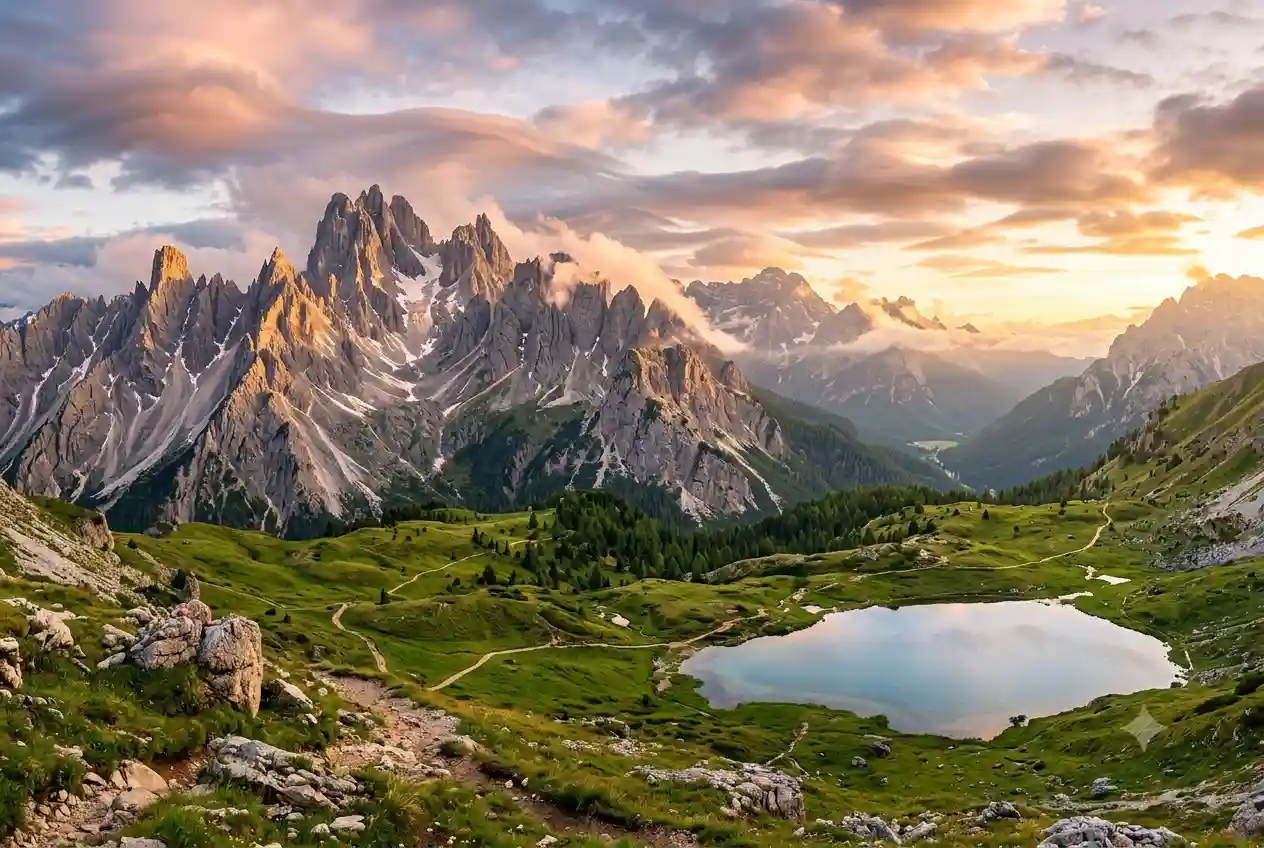

Mt. Beautiful is a name that naturally sparks curiosity among travelers, outdoor enthusiasts, and nature lovers. Whether referenced as a mountain destination, scenic region, or tourism attraction, locations associated with Mt. Beautiful often appeal to visitors seeking remarkable landscapes, peaceful surroundings, and memorable outdoor experiences.
Mountain destinations have long attracted people looking to escape busy urban environments and reconnect with nature. Their dramatic views, diverse ecosystems, and opportunities for adventure make them some of the most sought-after travel experiences worldwide.
Why Mountain Destinations Continue to Attract Travelers
Mountains offer a unique combination of beauty, challenge, and tranquility. Unlike many traditional tourist attractions, mountain environments provide changing scenery throughout the year, creating different experiences in every season.
Visitors often travel to mountain regions for:
- Panoramic viewpoints
- Hiking and trekking
- Wildlife observation
- Photography opportunities
- Camping experiences
- Fresh air and relaxation
- Nature-based tourism
The popularity of destinations like Mt. Beautiful reflects a growing global interest in outdoor recreation and sustainable travel.
What Makes Mt. Beautiful Appealing?
The appeal of Mt. Beautiful lies in its combination of natural scenery and outdoor accessibility. Travelers are increasingly seeking destinations that offer authentic experiences rather than heavily commercialized attractions.
Beautiful mountain locations often feature:
- Rolling hills and valleys
- Forest landscapes
- Scenic trails
- Mountain viewpoints
- Clean rivers and lakes
- Local wildlife habitats
- Seasonal natural beauty
These features create opportunities for both adventure and relaxation, allowing visitors to enjoy nature at their own pace.
Photography Opportunities at Mt. Beautiful
One reason mountain destinations receive significant attention is their visual appeal. Professional photographers and casual travelers alike are drawn to dramatic landscapes, changing weather conditions, and natural lighting.
Sunrise and sunset often provide the most impressive viewing conditions, creating striking contrasts between mountain peaks, forests, and surrounding terrain.
For travelers who appreciate remarkable scenery around the globe, our guide to the most beautiful sights in the world explores additional destinations known for their breathtaking landscapes.
Outdoor Activities Visitors Can Enjoy
Hiking and Walking Trails
Many mountain destinations feature trails suitable for different fitness levels. Some routes are designed for casual walkers, while others challenge experienced hikers seeking more demanding terrain.
Nature Observation
Mountain ecosystems often support diverse plant and animal species. Visitors can observe local wildlife while exploring protected natural environments.
Camping and Outdoor Recreation
Camping remains one of the most popular ways to experience mountain destinations. Spending time outdoors allows visitors to fully appreciate the landscape and natural surroundings.
Scenic Drives
Not every traveler wants a physically demanding adventure. Scenic driving routes often provide access to stunning viewpoints without requiring extensive hiking.
The Growing Popularity of Nature Tourism
In recent years, travelers have shown increased interest in nature-based experiences. Many people seek destinations that offer meaningful connections with the environment while supporting sustainable tourism practices.
Mountain regions benefit from this trend because they provide opportunities to enjoy natural beauty while promoting conservation and environmental awareness.
Mountain Travel and Mental Wellbeing
Spending time in natural environments can contribute to relaxation and stress reduction. Many travelers describe mountain visits as refreshing experiences that provide a break from fast-paced daily routines.
Natural surroundings encourage mindfulness, outdoor activity, and greater appreciation for the environment.
This broader appreciation of beauty connects with discussions about what makes a beautiful person, where qualities such as authenticity, balance, and personal wellbeing often matter more than appearances alone.
Planning a Visit to Mt. Beautiful
If you are considering a visit to a mountain destination such as Mt. Beautiful, preparation can help maximize your experience.
Research Weather Conditions
Mountain weather can change quickly. Understanding seasonal conditions helps visitors pack appropriately and stay safe during outdoor activities.
Choose Suitable Activities
Select activities based on your fitness level, interests, and available time. Many destinations offer options for both casual tourists and experienced adventurers.
Follow Local Guidelines
Respecting local regulations helps protect natural environments and ensures a positive experience for all visitors.
Travel Inspiration Beyond Mountain Landscapes
While mountain scenery captivates many travelers, beauty can be found in numerous forms around the world. Coastal regions, deserts, forests, historic cities, and cultural landmarks each offer unique travel experiences.
Understanding different interpretations of beauty can enrich travel experiences and encourage exploration beyond familiar destinations.
Travelers interested in cultural perspectives may also enjoy learning about the Arabic meaning of beautiful and how concepts of beauty are expressed across languages and societies.
Technology and Modern Travel Planning
Digital platforms have transformed how people discover scenic destinations. Travel blogs, photography websites, and online tourism resources make it easier than ever to research potential destinations before visiting.
Businesses operating within tourism, hospitality, and lifestyle sectors increasingly rely on professional digital experiences to attract travelers. Similar trends are visible in the beauty sector, where businesses invest in web design services for beauty industry brands to improve online visibility and customer engagement.
Responsible Tourism in Natural Areas
As interest in scenic destinations grows, responsible tourism becomes increasingly important. Visitors can help preserve natural beauty by following environmentally friendly practices.
- Stay on designated trails.
- Dispose of waste responsibly.
- Avoid disturbing wildlife.
- Respect local communities.
- Support sustainable tourism businesses.
- Follow conservation guidelines.
These actions help ensure that future generations can continue to enjoy beautiful natural destinations.
Important Points to Remember
Mt. Beautiful represents the enduring appeal of mountain landscapes and nature-focused travel. Whether you are drawn by photography opportunities, outdoor adventure, peaceful surroundings, or scenic exploration, mountain destinations continue to offer experiences that leave lasting impressions.
As travelers increasingly seek meaningful and authentic journeys, places like Mt. Beautiful highlight the importance of preserving natural environments while making them accessible for responsible tourism. For additional travel planning and outdoor recreation guidance, visitors can explore resources from the National Geographic Travel platform.
Preparing for a Mountain Trip: Fitness and Gear
Mountain destinations reward preparation more than enthusiasm alone. Even moderate trails demand steady stamina, so building up with regular walks on uneven ground in the weeks before a trip makes the experience far more enjoyable than arriving unprepared. Footwear matters most: well-fitted walking shoes or boots that have been broken in beforehand prevent the blisters that ruin otherwise beautiful days. New boots should never be worn for the first time on a long mountain walk.
Pack layers rather than one heavy jacket, because mountain weather changes quickly with altitude and time of day. A light waterproof layer, a warm mid-layer, sun protection, and more water than you expect to need cover the most common conditions. Tell someone your planned route and expected return time before setting out, and carry a charged phone, a basic first-aid kit, and a paper map as backup, since mobile signals are unreliable in many mountain areas.
Photographing Mountain Scenery Well
Mountain light changes fast, and the best photographs usually come from patience rather than equipment. Early morning and late afternoon light gives depth and warmth that midday sun flattens, so plan viewpoint visits around those hours when possible. Include a foreground element, such as a tree, a rock, or a path, to give a sense of scale, because mountains photographed without scale often look smaller and flatter than they felt in person.
Respect the landscape while photographing it. Stay on marked paths even for a better angle, since fragile alpine plants and loose slopes are easily damaged by foot traffic. Drones, where permitted at all, require checking local rules in advance, and many protected mountain areas restrict or ban them entirely. A photograph is never worth damaging the place that made it beautiful.
Staying Safe on the Trail
Most mountain accidents come from ordinary causes: dehydration, poor footwear, overestimating fitness, and ignoring weather changes. Drink before you feel thirsty, eat small amounts regularly, and turn back if weather deteriorates or the group is tiring faster than planned. Reaching a summit is optional; returning safely is not. Groups should agree in advance that anyone can call a halt without argument, because pressure to continue is a known factor in mountain incidents.
Altitude deserves respect even on moderate mountains. Headache, nausea, or unusual fatigue can signal altitude effects, and the correct response is to stop ascending and, if symptoms persist, descend. Acclimatisation days matter on higher routes, and alcohol and sleeping pills worsen altitude problems. When in doubt, descend and seek local advice rather than pushing on.
Frequently Asked Questions
Do I need special gear for an easy mountain walk? For gentle, well-marked trails, sturdy broken-in shoes, water, sun protection, and a rain layer are usually enough, but check the specific trail’s guidance first.
When is the best season for mountain scenery? That depends on the region, but spring and autumn often give clearer air and comfortable walking temperatures, while summer can bring storms in some ranges.
Can beginners enjoy mountain destinations? Yes, by choosing graded trails that match their fitness, starting early, and treating turnaround decisions as normal rather than disappointing.
Leaving No Trace on Mountain Visits
Beautiful mountain places stay beautiful only when visitors treat them gently. Carry out everything you carry in, including food wrappers and tissues, and avoid picking wildflowers or disturbing wildlife for photographs. Staying on marked trails protects fragile soil and vegetation, and keeping noise low preserves the quiet that draws most people to mountains in the first place. Small courtesies, repeated by thousands of visitors, are what keep these landscapes unspoiled for the next traveller.
