
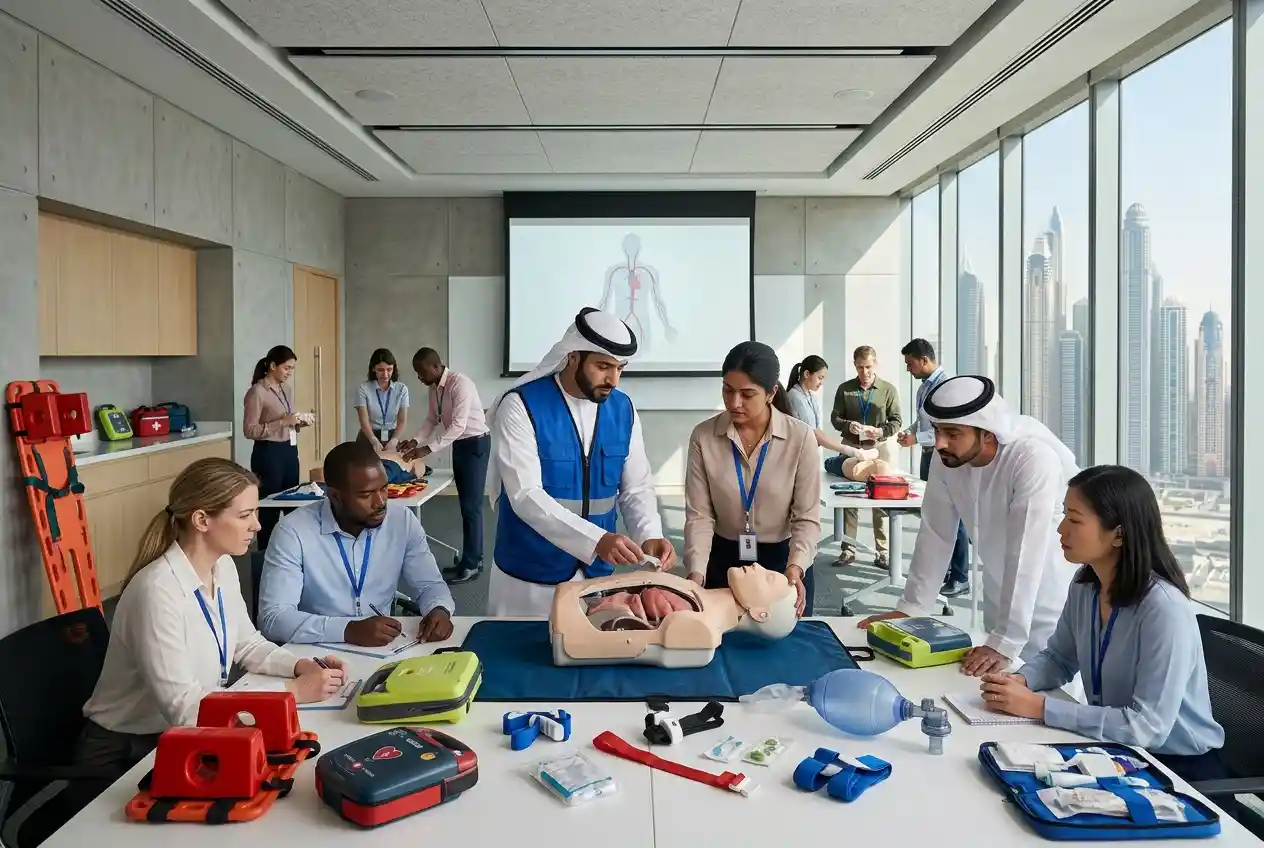

Accidents and medical emergencies can happen unexpectedly in workplaces, schools, homes, sports facilities, public venues, and community settings. The ability to provide immediate assistance before professional medical help arrives can make a significant difference in emergency situations. This is why first aid training in Dubai continues to attract individuals, employers, educators, healthcare support staff, and safety professionals seeking practical life-saving skills.
As workplace safety standards continue to evolve across the UAE, many organizations encourage employees to participate in first aid education alongside programs such as EFST training, fire safety training, and other industry-specific safety courses. Together, these programs help create safer environments and improve emergency preparedness.
What Is First Aid Training?
First aid training is designed to teach participants how to respond appropriately during medical emergencies until professional healthcare services become available. The course focuses on recognizing emergencies, assessing situations safely, providing immediate assistance, and following established response procedures.
Training programs vary depending on the provider and intended audience, but most combine theoretical instruction with practical learning exercises that help participants build confidence in emergency situations.
Why First Aid Training Is Important in Dubai
Dubai is home to a diverse population and a wide range of industries, including construction, hospitality, healthcare, retail, education, logistics, and corporate services. Across all sectors, emergency preparedness remains an important aspect of workplace and community safety.
First aid training helps individuals:
- Respond quickly during emergencies
- Improve safety awareness
- Support colleagues, family members, and community members
- Increase confidence during critical situations
- Contribute to safer workplaces
- Strengthen emergency preparedness skills
These benefits extend beyond professional environments, making first aid knowledge valuable in everyday life.
Who Should Take First Aid Training in Dubai?
First aid training is suitable for people from various backgrounds and professions. While some roles may require safety-related qualifications, the practical skills learned can benefit almost anyone.
Corporate Employees
Many businesses include first aid awareness as part of workplace safety programs to improve preparedness and employee well-being.
Teachers and Educational Staff
Schools and training institutions often prioritize emergency response education to support student and staff safety.
Hospitality Professionals
Hotels, restaurants, event venues, and tourism businesses frequently invest in safety training because employees interact with large numbers of guests daily.
Construction and Industrial Workers
Higher-risk work environments often emphasize emergency response readiness. Many professionals complement first aid education with scaffolding inspector training in Dubai and other workplace safety qualifications.
Fitness and Recreation Professionals
Individuals working in gyms, swimming facilities, wellness centers, and sports venues may strengthen their safety credentials through both first aid and lifeguard training.
What Topics Are Typically Covered?
Course content varies depending on the provider, certification requirements, and participant needs. However, most first aid training programs cover several essential areas.
Emergency Assessment
Participants learn how to evaluate situations safely and determine appropriate actions while protecting themselves and others.
Medical Emergency Awareness
Training introduces common emergency situations and response principles that help participants act effectively until professional assistance arrives.
Communication During Emergencies
Clear communication is often a critical factor during emergencies. Participants learn how to relay information accurately and coordinate with emergency responders.
Safety Procedures
Understanding safety protocols helps minimize risks and supports better outcomes during emergency situations.
Practical Response Skills
Many courses include hands-on learning exercises designed to build confidence and reinforce emergency response knowledge.
Benefits for Employers
Organizations across Dubai increasingly view first aid education as an investment in workplace safety and operational resilience. Trained employees can contribute to a stronger safety culture and support emergency preparedness initiatives.
Benefits for businesses may include improved employee awareness, enhanced workplace confidence, stronger safety practices, and greater readiness to respond during incidents.
Companies often integrate first aid education into broader safety programs that may also include fire safety training and EFST training.
Career Advantages of First Aid Certification
Professional development increasingly includes safety-related qualifications. Employers often appreciate candidates who demonstrate responsibility, preparedness, and a commitment to workplace safety.
First aid certification can be valuable in industries such as education, healthcare support, hospitality, sports, recreation, childcare, construction, and corporate administration.
Individuals pursuing broader career development may also explore programs offered by KHDA approved training institutes in Dubai, which provide access to a wide variety of professional learning opportunities.
How First Aid Training Supports Community Safety
Beyond workplace applications, first aid knowledge contributes to safer communities. Family members, caregivers, volunteers, and community leaders who understand emergency response principles can provide support when unexpected situations arise.
The ability to remain calm, assess risks, and follow appropriate procedures can help improve outcomes in a variety of scenarios.
This broader community impact is one reason first aid education continues to be recognized as an important life skill rather than simply a workplace qualification.
Choosing a First Aid Training Provider in Dubai
When selecting a training provider, it is important to evaluate course quality, instructor qualifications, practical learning opportunities, certification recognition, and overall reputation.
Prospective participants can also review health and safety resources provided by the Dubai Health Authority to stay informed about healthcare initiatives and public health information within the emirate.
A strong training program should emphasize practical application, real-world scenarios, and learner engagement rather than relying solely on classroom theory.
The Growing Demand for Safety Training in the UAE
As businesses continue to prioritize employee well-being and operational excellence, demand for emergency response education remains strong throughout the UAE. Safety-conscious organizations recognize that preparedness is an ongoing process supported by regular training and awareness programs.
First aid training remains one of the most valuable components of this approach. Combined with workplace safety initiatives and specialized certifications, it helps organizations develop knowledgeable teams capable of responding effectively during emergencies.
Wrapping Up
First aid training in Dubai provides practical knowledge that can benefit individuals, workplaces, and communities alike. From improving emergency preparedness to supporting professional development, the skills gained through quality training programs offer long-term value in both personal and professional settings.
Whether you are looking to strengthen your career profile, improve workplace readiness, or learn important life-saving skills, first aid training remains a worthwhile investment in safety, confidence, and preparedness.