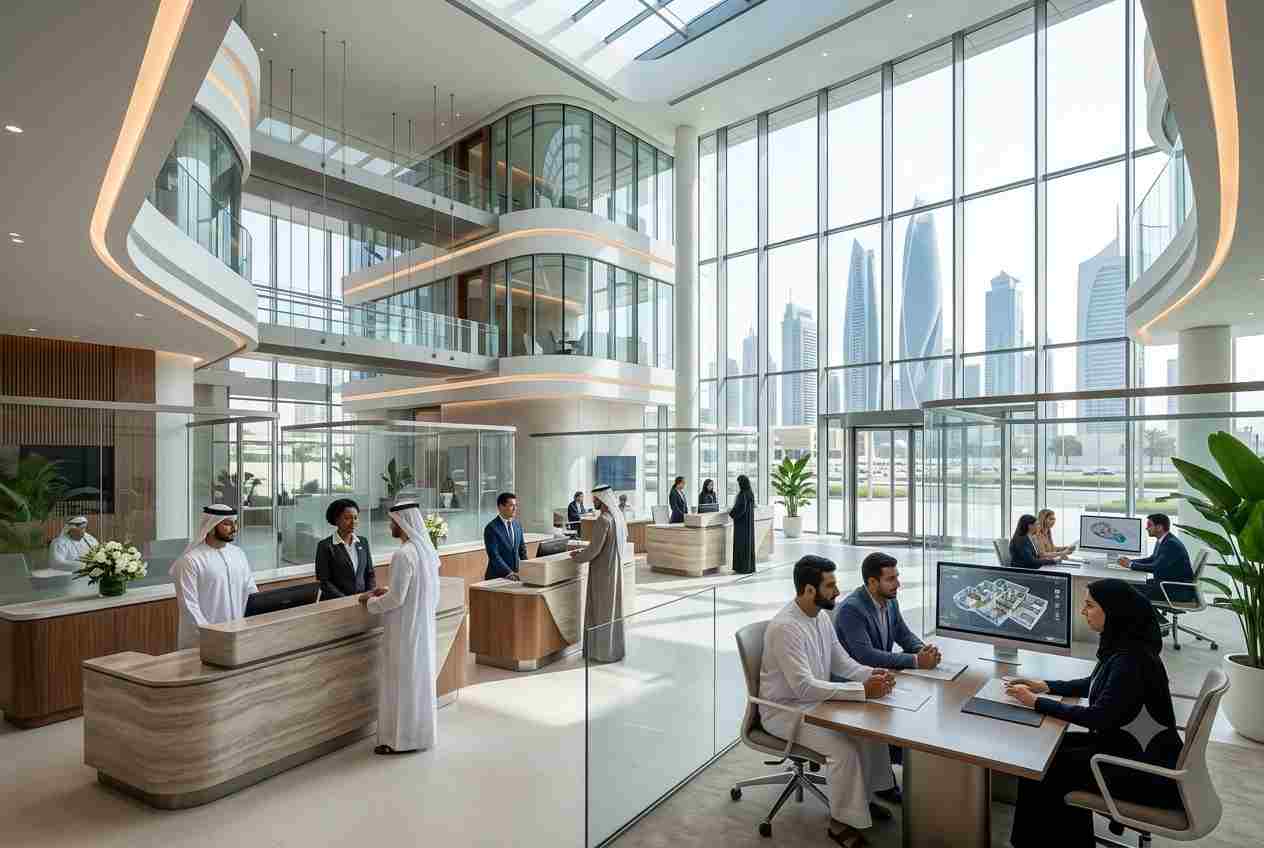
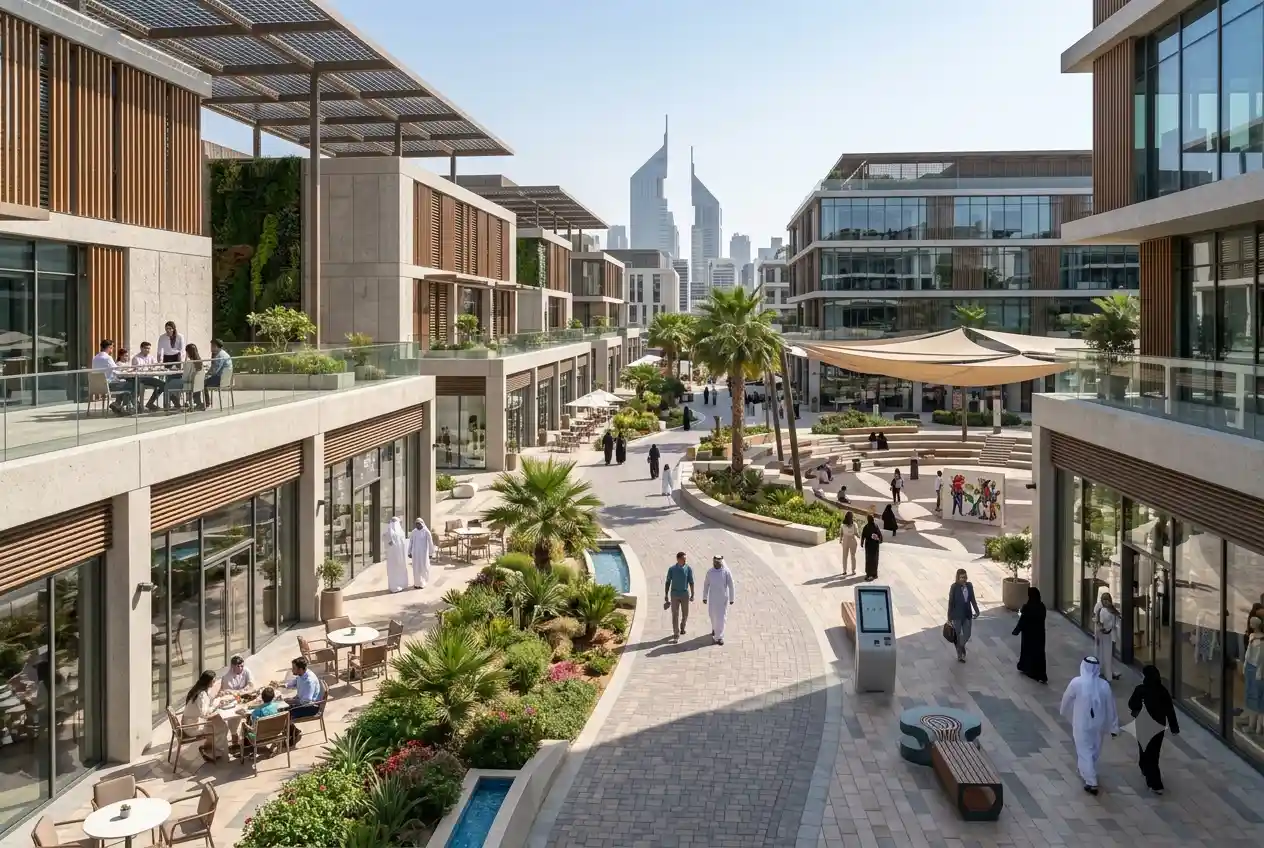

A well-planned central market project can become much more than a shopping destination. It serves as a commercial hub, supports local businesses, creates employment opportunities, and contributes to the long-term development of a city. Across the UAE, modern market developments combine retail, office space, dining, and community facilities to create destinations that attract residents, visitors, and investors alike.
As cities continue to expand, mixed-use commercial projects have become increasingly important for supporting economic growth while improving the overall urban environment. A successful central market project balances commercial activity with accessibility, sustainability, and architectural design to meet the changing needs of businesses and consumers.
Whether developed as a traditional marketplace, a modern retail complex, or a mixed-use commercial destination, central market projects remain an essential part of urban planning and local economic development.
What Is a Central Market Project?
A central market project is a planned commercial development designed to bring together multiple retailers, service providers, restaurants, and community facilities within a single location. Unlike standalone shopping centers, these projects often integrate public spaces, transportation access, and flexible commercial units that support different types of businesses.
Depending on the project’s objectives, a central market may include:
- Retail stores
- Wholesale businesses
- Food outlets
- Office spaces
- Community gathering areas
- Public parking
- Entertainment facilities
- Business service centers
This mixed-use approach increases convenience for visitors while creating opportunities for businesses to benefit from shared customer traffic.
Key Objectives of a Central Market Project
Every successful market development begins with clearly defined objectives that align with the needs of the surrounding community and local economy.
Common goals include:
- Supporting local businesses.
- Creating employment opportunities.
- Improving commercial infrastructure.
- Encouraging entrepreneurship.
- Enhancing the shopping experience.
- Increasing tourism.
- Stimulating investment.
- Strengthening urban development.
When these objectives are carefully planned, the project can deliver lasting economic and social benefits.
Economic Benefits for Cities
Large commercial developments contribute significantly to local economies by generating employment, attracting investment, and increasing business activity. Retailers, wholesalers, restaurants, logistics providers, maintenance companies, and service businesses all benefit from operating within a well-managed commercial environment.
The concentration of businesses in one location also encourages collaboration between suppliers, distributors, and retailers while creating greater convenience for customers.
Supporting Small and Medium-Sized Businesses
Many central market developments allocate space for independent retailers and small businesses alongside larger commercial tenants. This creates opportunities for entrepreneurs to establish a physical presence while benefiting from customer traffic generated by the overall development.
Flexible retail units, shared facilities, and accessible locations help reduce barriers for businesses entering competitive markets.
Modern Design Principles
Today’s commercial developments are designed with much more than retail activity in mind. Developers increasingly focus on creating attractive public spaces that encourage visitors to spend more time within the project.
Modern design features may include:
- Wide pedestrian walkways.
- Natural lighting.
- Energy-efficient building systems.
- Landscaped public areas.
- Accessible entrances.
- Clear wayfinding signage.
- Flexible retail layouts.
- Integrated parking facilities.
These elements improve visitor comfort while supporting efficient business operations.
Sustainability in Commercial Development
Sustainability has become a key consideration for modern market developments. Developers increasingly incorporate environmentally responsible construction practices and operational systems that reduce resource consumption.
Examples include:
- Energy-efficient lighting.
- Water conservation systems.
- Recycling facilities.
- Smart building management.
- Electric vehicle charging stations.
- Environmentally responsible construction materials.
These initiatives help reduce operating costs while supporting broader sustainability goals.
Accessibility and Transportation
Accessibility is one of the most important factors influencing the success of any commercial development. Convenient road connections, public transport access, pedestrian pathways, and sufficient parking all contribute to a positive visitor experience.
Projects located near residential communities, business districts, or major transport routes often benefit from higher customer traffic throughout the year.
Learning from Different Types of Markets
Every commercial marketplace serves a different purpose. While large mixed-use developments support diverse business activities, specialized retail destinations focus on specific customer needs. For example, the Sharjah car parts market serves the automotive sector, while our guide to flower market Dubai explores how dedicated wholesale and retail floral markets support businesses, event planners, and individual customers across the UAE.
Technology Is Reshaping Modern Market Projects
Technology plays an increasingly important role in the management and operation of commercial developments. Smart building systems, digital directories, automated parking management, security monitoring, and energy management solutions all contribute to a more efficient visitor experience.
Retailers also benefit from improved connectivity, digital payment systems, inventory management software, and omnichannel retail strategies that combine physical stores with online sales.
Creating Spaces That Build Communities
Modern commercial developments are no longer designed solely for shopping. Many projects include public plazas, cafés, family-friendly spaces, cultural exhibitions, and community events that encourage visitors to spend more time within the development.
These shared spaces strengthen social interaction while supporting local businesses through increased foot traffic and repeat visits.
Challenges in Planning a Central Market Project
Developing a successful commercial marketplace requires careful planning and coordination across multiple disciplines. Common challenges include balancing commercial viability with community needs, ensuring accessibility, managing construction costs, and adapting to changing consumer behavior.
Developers must also consider long-term maintenance, tenant mix, sustainability goals, and future expansion opportunities to ensure the project remains relevant for years to come.
The Importance of Effective Marketing
Even a well-designed commercial project requires strong marketing to attract visitors, retailers, and investors. Digital marketing, search engine optimization, social media campaigns, public relations, and local community engagement all contribute to increasing awareness and encouraging long-term customer loyalty.
Businesses operating within commercial developments may also benefit from working with a digital marketing consultant to develop targeted online strategies that improve visibility and customer acquisition.
Future Trends in Commercial Development
The future of central market projects is likely to include greater integration of technology, sustainability, and flexible commercial spaces. Developers are increasingly designing projects that can adapt to changing retail trends while supporting both physical and digital commerce.
Mixed-use developments that combine shopping, dining, offices, entertainment, and residential components are expected to remain popular because they create vibrant destinations that serve multiple community needs.
Planning with Local Regulations in Mind
Commercial construction projects in the UAE should comply with applicable planning regulations, building codes, and licensing requirements. Developers, investors, and business owners can refer to the UAE Government Portal for official information on business services, regulations, and government procedures relevant to commercial development.
Conclusion
A central market project represents far more than a collection of retail units. When thoughtfully planned and professionally managed, it becomes an important driver of economic growth, entrepreneurship, employment, and community development.
Successful projects combine strategic location, modern architecture, sustainable design, strong transportation links, and a balanced mix of commercial tenants to create destinations that benefit businesses and visitors alike. As cities across the UAE continue to expand, well-designed commercial developments will remain an essential part of creating vibrant, connected, and economically resilient urban environments.
Whether serving local residents, tourists, or business communities, central market projects demonstrate how thoughtful planning and long-term investment can contribute to both commercial success and sustainable city development.