
The phrase “German technology system” is often associated with precision engineering, manufacturing excellence, industrial innovation, and high-quality technical standards. For decades, Germany has been recognized as one of the world’s leading technology and engineering centers, influencing industries ranging from automotive manufacturing and industrial automation to renewable energy and advanced machinery.
Businesses across the UAE and international markets frequently seek products, systems, and solutions developed according to German engineering principles because of their reputation for reliability, efficiency, and long-term performance.
As industries continue embracing digital transformation and automation, German technology systems remain an important benchmark for quality and technological advancement.
What Is a German Technology System?
A German technology system generally refers to technologies, engineering methodologies, manufacturing standards, or industrial solutions developed using German engineering practices and technical expertise.
These systems often emphasize:
- Precision engineering
- Operational efficiency
- Quality assurance
- Long-term durability
- Innovation-driven design
- Compliance with international standards
Whether applied in manufacturing, construction, energy, transportation, or automation, German technology systems are widely recognized for delivering consistent performance and reliability.
The Global Reputation of German Engineering
Germany has built a strong reputation through decades of technological innovation and industrial leadership. Its engineering sector has contributed significantly to advancements in manufacturing processes, industrial machinery, automotive technology, and automation systems.
Several factors contribute to this reputation:
- Strong research and development investment
- Advanced technical education systems
- Industry-focused innovation
- Strict quality control processes
- Commitment to engineering excellence
As a result, many organizations worldwide view German technology as a symbol of quality and technical reliability.
Industries That Commonly Utilize German Technology Systems
German engineering expertise influences numerous industries across global markets.
Manufacturing
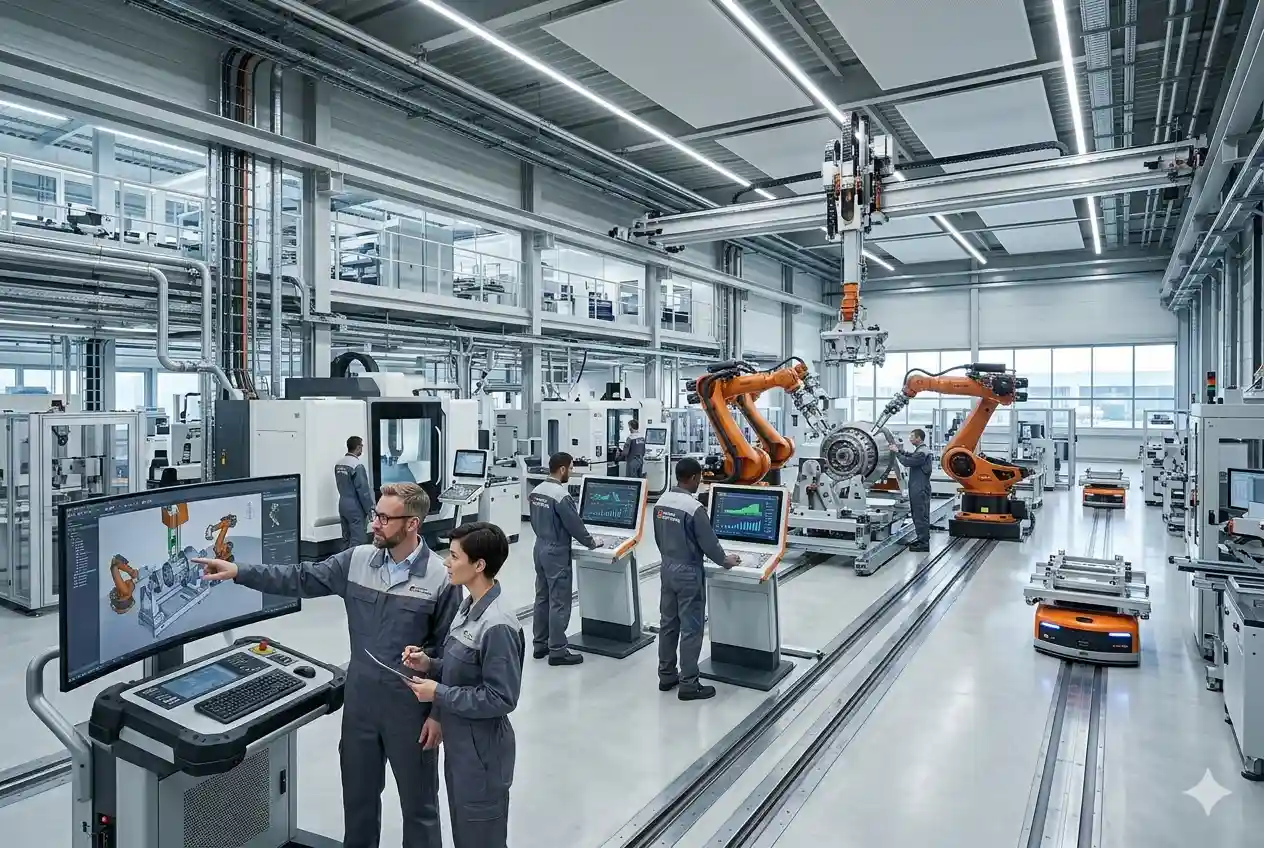
Advanced machinery, robotics, automation systems, and production technologies are among Germany’s most recognized industrial contributions.
Automotive
German automotive engineering is known for innovation, performance, safety, and manufacturing precision.
Energy and Utilities
Energy infrastructure projects frequently incorporate technologies designed to improve efficiency, monitoring, and operational reliability.
Industrial organizations operating in sectors similar to those discussed in SMI Oilfield Technology and Products FZE applications often value engineering systems that support demanding operational environments.
Construction and Infrastructure
Construction technologies, building systems, and engineering solutions developed according to German standards are widely used across commercial and industrial projects.
Renewable Energy
Germany has played a significant role in advancing renewable energy technologies, particularly in solar, wind, and energy management systems.
German Technology and Industrial Automation
Industrial automation has become one of the most important areas of technological development in recent years. Organizations increasingly seek automation solutions that improve productivity, reduce operational costs, and enhance process reliability.
German technology systems are often associated with:
- Industrial robotics
- Process automation
- Smart manufacturing
- Machine control systems
- Industrial monitoring solutions
- Predictive maintenance technologies
These capabilities help organizations modernize operations while maintaining high quality standards.
The Role of Data and Analytics in Modern Technology Systems
Today’s industrial environments rely heavily on data collection and analysis. Organizations need real-time visibility into equipment performance, production efficiency, and operational risks.
As a result, modern engineering systems increasingly incorporate big data technology solutions to support informed decision-making and performance optimization.
Data-driven operations allow businesses to identify trends, predict maintenance requirements, and improve overall efficiency.
Why Businesses Value German Technology Standards
Organizations often prioritize technologies built around recognized engineering standards because they can contribute to operational reliability and long-term value.
Common reasons businesses choose German-inspired technology solutions include:
- Proven engineering methodologies
- Strong quality control practices
- Focus on efficiency and precision
- Long product life cycles
- Continuous innovation
- Global industry recognition
These characteristics make German technology systems attractive across a wide range of industrial and commercial applications.
Digital Transformation and Engineering Innovation
The concept of a German technology system has evolved beyond traditional machinery and manufacturing. Modern engineering increasingly incorporates digital technologies that enhance performance and operational visibility.
Organizations now integrate:
- Artificial intelligence
- Cloud computing
- Internet of Things (IoT)
- Industrial analytics
- Cybersecurity systems
- Digital monitoring platforms
Technology providers such as Ultra Technology LLC and other digital transformation specialists operate within a broader ecosystem where advanced technologies continue shaping business operations.
Technology Skills Required for Modern Engineering Environments
As engineering systems become increasingly digital, organizations require professionals capable of managing both technical infrastructure and modern software platforms.
Skills in automation, networking, cybersecurity, data analytics, and cloud technologies are becoming increasingly valuable.
Many professionals strengthen these capabilities through information technology courses in Dubai, which help prepare them for technology-driven industrial environments.
Procurement and Technology Investment Decisions
Large-scale technology investments often require careful evaluation of costs, suppliers, performance requirements, and long-term value.
Organizations increasingly utilize spend analytics technology to evaluate procurement activities, manage supplier relationships, and optimize purchasing decisions.
This analytical approach helps businesses make more informed technology investment choices while controlling operational expenses.
The Future of German Technology Systems
The future of German technology systems will likely be shaped by Industry 4.0 initiatives, artificial intelligence, sustainability objectives, and smart manufacturing practices. Engineering excellence will remain important, but digital capabilities will increasingly define competitive advantage.
Businesses around the world continue looking to German engineering principles as a model for innovation, reliability, and operational performance. Whether applied in manufacturing, energy, infrastructure, or digital transformation projects, German technology systems remain influential across global industries.
Summary and Insights
As technology continues evolving, organizations that combine proven engineering standards with modern digital capabilities will be best positioned to achieve long-term success and operational excellence.
Readers interested in industrial innovation and German engineering developments can explore research and industry resources published by the Fraunhofer Society, one of Europe’s leading applied research organizations.