
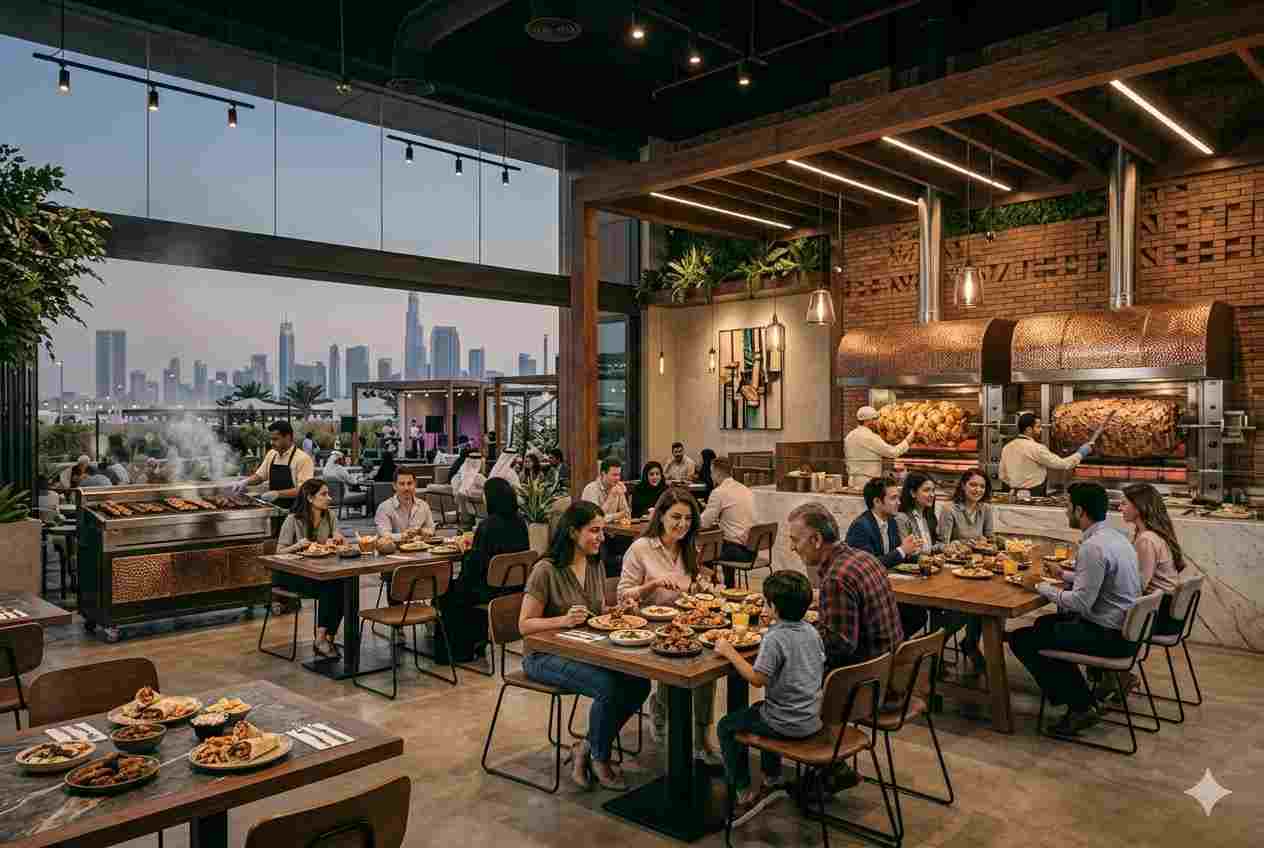

Lebanese cuisine has long been one of the most popular food categories in the UAE. From shawarma and grilled meats to manakish, mezze, and fresh juices, Lebanese food remains deeply connected to the country’s dining culture.
In recent years, concepts inspired by Allo Beirut Lebanese street food have helped modernize traditional Lebanese dining by combining nostalgic Beirut-style street food experiences with fast casual restaurant environments, trendy interiors, and highly accessible menus.
Across Dubai, Abu Dhabi, and other emirates, Lebanese street food concepts continue attracting residents, tourists, professionals, and families looking for flavorful meals in relaxed social settings.
Why Lebanese Food Is So Popular in the UAE
The UAE’s multicultural population has contributed to strong demand for Middle Eastern cuisine, and Lebanese food remains one of the region’s most recognizable dining categories.
Lebanese restaurants are especially popular because they offer:
- Fresh ingredients
- Shared dining culture
- Affordable casual meals
- Family-friendly menus
- Vegetarian-friendly options
- Quick-service convenience
Unlike some international cuisines that rely heavily on formal dining experiences, Lebanese street food adapts well to both quick meals and social dining occasions.
The Rise of Lebanese Street Food Concepts
Traditional Lebanese restaurants in the UAE often focused on family dining and formal hospitality. However, modern street food concepts introduced a more casual and lifestyle-oriented approach.
Today’s Lebanese street food restaurants commonly feature:
- Retro Beirut-inspired interiors
- Fast casual service models
- Street-style sandwiches and wraps
- Fresh juice counters
- Late-night dining appeal
- Social media-friendly branding
This approach has made Lebanese cuisine more accessible to younger consumers and urban professionals.
How Lebanese Street Food Fits UAE Dining Culture
The UAE restaurant industry strongly favors convenience-driven dining experiences that still maintain quality and authenticity. Lebanese street food fits naturally into this market because it combines speed, freshness, and familiarity.
Consumers often choose Lebanese street food because it works well for:
- Quick lunches
- Family dinners
- Late-night meals
- Mall dining
- Food delivery
- Casual social gatherings
Many Lebanese brands now operate inside modern food court environments, where customers seek diverse and convenient meal options within shopping and entertainment destinations.
The Influence of Beirut-Inspired Branding
One reason concepts like Allo Beirut Lebanese street food stand out is their strong identity and storytelling. Restaurants inspired by Beirut street culture often combine nostalgic design with modern hospitality trends.
Common design features include:
- Vintage Lebanese posters
- Street-style typography
- Open kitchen layouts
- Colorful urban interiors
- Traditional Lebanese menu names
This style creates an experience-driven environment that appeals strongly to UAE consumers seeking more than basic fast food dining.
Lebanese Street Food vs Traditional Fast Food
Many consumers now view Lebanese street food as a fresher and more flavorful alternative to traditional international fast food chains.
Compared to standard fast food restaurants, Lebanese casual dining often emphasizes:
- Fresh vegetables and herbs
- Charcoal-grilled meats
- Freshly baked bread
- Customizable meals
- Balanced flavor profiles
This shift reflects broader UAE dining trends where consumers increasingly prefer meals that combine convenience with perceived freshness and quality.
The Role of Mall Dining and Food Parks
Lebanese street food concepts perform particularly well inside malls and lifestyle dining destinations because of their flexible service style and broad customer appeal.
Dining hubs such as the WTC Mall food court often include Middle Eastern and Lebanese restaurant brands that attract both local residents and tourists.
Similarly, modern food park restaurant destinations frequently feature Lebanese street food vendors because the cuisine works naturally in casual outdoor environments.
The popularity of shawarma, grilled wraps, and mezze platters makes Lebanese food highly adaptable to high-traffic dining spaces.
Technology and Restaurant Operations
Like many modern UAE restaurant brands, Lebanese street food chains increasingly rely on technology to improve operational efficiency and customer experience.
Restaurants commonly use:
- Digital ordering systems
- Delivery app integrations
- Loyalty programs
- QR code menus
- Kitchen management systems
- Mobile payment solutions
Behind the scenes, food businesses also increasingly depend on operational compliance systems similar to food watch login platforms to support food safety monitoring and restaurant management.
Changing Consumer Expectations
Consumers in the UAE are becoming increasingly selective about restaurant experiences. Food quality alone is no longer enough. Customers now expect atmosphere, convenience, visual presentation, and consistent service.
Lebanese street food brands succeed because they combine:
- Authentic regional flavors
- Strong visual identity
- Accessible pricing
- Fast service
- Social dining appeal
This combination makes Lebanese casual dining highly competitive in today’s crowded restaurant market.
The Connection Between Grocery and Restaurant Trends
The growing popularity of Lebanese cuisine also influences grocery retail trends across the UAE. Consumers increasingly purchase ingredients associated with Middle Eastern cooking for home meal preparation.
Specialty grocery stores and premium retailers such as Maxzi The Good Food Shop reflect broader demand for fresh ingredients, imported products, and wellness-oriented food shopping.
At the same time, interest in global cuisines continues expanding. Consumers who enjoy Lebanese dining often also explore Asian cuisine, including authentic Chinese food restaurants and modern fusion dining concepts.
The Future of Lebanese Street Food in UAE
Lebanese casual dining is expected to remain a major part of the UAE restaurant industry. As consumers continue prioritizing convenience, freshness, and social dining experiences, street food-inspired concepts are likely to expand further.
Future trends may include:
- More delivery-focused branches
- Expanded outdoor dining concepts
- Health-conscious Lebanese menus
- Chef-driven street food experiences
- Digital loyalty ecosystems
- Premium quick-service formats
The adaptability of Lebanese cuisine makes it especially well-positioned for evolving dining habits across the UAE.
Final Thoughts
Allo Beirut Lebanese street food concepts represent the broader evolution of casual dining in the UAE. By combining authentic flavors, nostalgic branding, and fast casual convenience, Lebanese street food continues attracting a wide audience across malls, food parks, and urban dining districts.
As the UAE restaurant market continues growing, Lebanese cuisine is expected to remain one of the country’s most influential and recognizable dining categories.