
The UAE has established itself as one of the Middle East’s leading healthcare destinations through continuous investment in healthcare infrastructure, medical innovation, and patient-centered care. Among the country’s most significant healthcare developments is Dubai Healthcare City Phase 2. This project supports healthcare expansion, wellness initiatives, and long-term sector growth.
As healthcare demand continues to rise across the region, Dubai Healthcare City Phase 2 contributes to the development of a modern healthcare ecosystem. It supports medical providers, healthcare professionals, investors, researchers, and patients. Furthermore, the project reflects Dubai’s broader vision of becoming a global hub for healthcare excellence and innovation.
Understanding Dubai Healthcare City
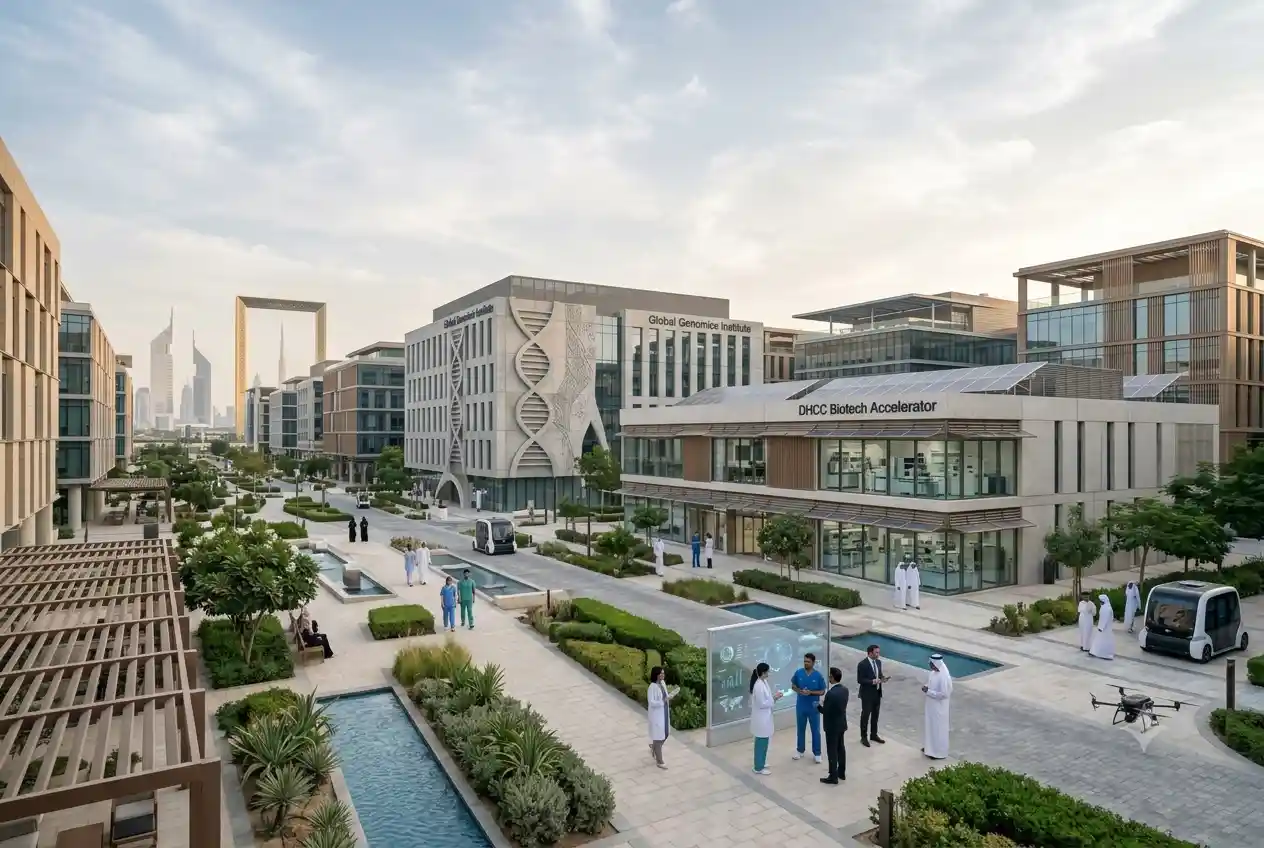
Dubai Healthcare City (DHCC) serves as a specialized healthcare and wellness destination. It brings together healthcare providers, medical professionals, educational institutions, and healthcare-related businesses within a dedicated environment.
Over the years, the development has strengthened Dubai’s healthcare infrastructure. In addition, it has attracted both local and international healthcare organizations.
Phase 2 continues this vision by supporting healthcare services, wellness-focused initiatives, and future healthcare innovation opportunities.
The Vision Behind Dubai Healthcare City Phase 2
Dubai Healthcare City Phase 2 forms part of Dubai’s long-term strategy to enhance healthcare capacity and diversify healthcare offerings. The project supports a broader healthcare ecosystem that emphasizes prevention, wellness, specialized healthcare services, and sustainable development.
Moreover, the expansion aligns with the UAE’s commitment to improving healthcare accessibility. It also encourages innovation and private sector participation within the healthcare industry.
As healthcare needs evolve, developments such as Dubai Healthcare City Phase 2 help healthcare providers meet future demands. Consequently, healthcare infrastructure remains capable of supporting population growth and changing patient expectations.
Healthcare and Wellness Integration
One of the distinguishing aspects of Dubai Healthcare City Phase 2 is its focus on integrating healthcare and wellness. Today, modern healthcare systems increasingly recognize the importance of prevention, lifestyle management, and overall wellbeing. Therefore, healthcare organizations combine these priorities with traditional medical treatment.
This approach supports healthier communities. As a result, it helps reduce the long-term burden of preventable health conditions.
Healthcare providers operating within advanced healthcare environments often promote preventive initiatives. For example, they support health screenings, wellness programs, and vaccination awareness efforts similar to those discussed in our guide to Tamouh Healthcare vaccine services.
Supporting Healthcare Innovation
Innovation remains a key driver of healthcare transformation. Healthcare organizations increasingly adopt advanced technologies that improve patient experiences, healthcare delivery, operational efficiency, and clinical outcomes.
Digital health solutions, telemedicine, healthcare analytics, artificial intelligence, and integrated patient management systems now play important roles in modern healthcare environments.
Furthermore, healthcare districts such as Dubai Healthcare City create opportunities for collaboration. They connect healthcare providers, technology companies, researchers, and healthcare investors. Consequently, they encourage continuous innovation across the sector.
Opportunities for Healthcare Professionals
The expansion of healthcare infrastructure creates opportunities for healthcare professionals at all levels. Clinical staff, healthcare administrators, healthcare assistants, specialists, and healthcare executives all contribute to organizational success.
Healthcare professionals seeking entry-level opportunities often start by understanding a typical healthcare assistant job description. They may then explore available healthcare assistant jobs throughout the healthcare sector.
As healthcare facilities continue to expand, workforce demand is expected to remain strong. Additionally, opportunities are likely to grow across multiple healthcare disciplines.
The Need for Healthcare Leadership
Large healthcare developments require effective leadership to ensure operational excellence, quality assurance, regulatory compliance, and positive patient outcomes. Healthcare managers coordinate resources, support healthcare teams, and implement strategic initiatives.
Many professionals strengthen their leadership capabilities through advanced qualifications such as MBA Healthcare Management. This qualification combines healthcare knowledge with business and management expertise.
Therefore, the demand for skilled healthcare leaders is expected to grow alongside healthcare infrastructure expansion throughout the UAE.
Connection to Community Healthcare
While major healthcare developments attract significant attention, community healthcare facilities remain essential components of the healthcare system. Patients often receive routine care, preventive services, and health education through local healthcare centers.
Facilities such as Al Muwaiji Healthcare Center and Madinat Mohamed Bin Zayed Healthcare Center demonstrate how community healthcare supports residents on a daily basis.
Moreover, large healthcare districts and local healthcare centers work together. As a result, they create a comprehensive healthcare network that serves diverse patient needs.
Investment and Economic Impact
Healthcare remains one of the UAE’s most strategically important sectors. Investments in healthcare infrastructure contribute to improved public health outcomes. At the same time, they support economic growth, job creation, and international competitiveness.
Healthcare developments attract providers, investors, educational institutions, research organizations, and supporting businesses. Consequently, these stakeholders contribute to the wider healthcare ecosystem.
This combination of healthcare services and economic activity strengthens Dubai’s position as a regional healthcare destination.
The Future of Healthcare Development in Dubai
The future of healthcare in Dubai will likely be shaped by innovation, sustainability, preventive healthcare, and patient-centered service delivery. Therefore, healthcare districts such as Dubai Healthcare City Phase 2 will continue to play an important role in supporting these objectives.
Advances in healthcare technology, data-driven decision-making, personalized medicine, and wellness-focused strategies are likely to influence future healthcare development across the UAE.
Organizations that embrace innovation while maintaining high standards of patient care will be better positioned to thrive in this evolving environment.
What to Remember
Dubai Healthcare City Phase 2 represents a significant step forward in the UAE’s healthcare development journey. By supporting healthcare innovation, wellness initiatives, healthcare investment, and professional development, the project contributes to the country’s long-term healthcare vision.
Its impact extends beyond healthcare infrastructure. In addition, it creates opportunities for healthcare providers, healthcare professionals, investors, and patients alike.
As Dubai continues to strengthen its healthcare ecosystem, Dubai Healthcare City Phase 2 remains an important contributor to healthcare excellence and sustainable healthcare growth.
For official information about Dubai Healthcare City and healthcare-related developments, readers can refer to Dubai Healthcare City Authority.